Abla Fahita
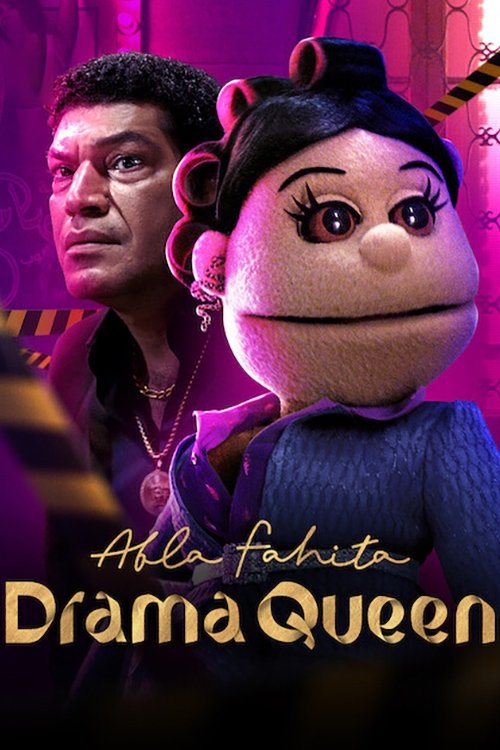
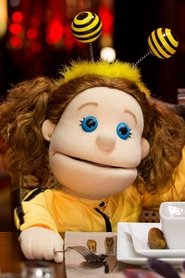
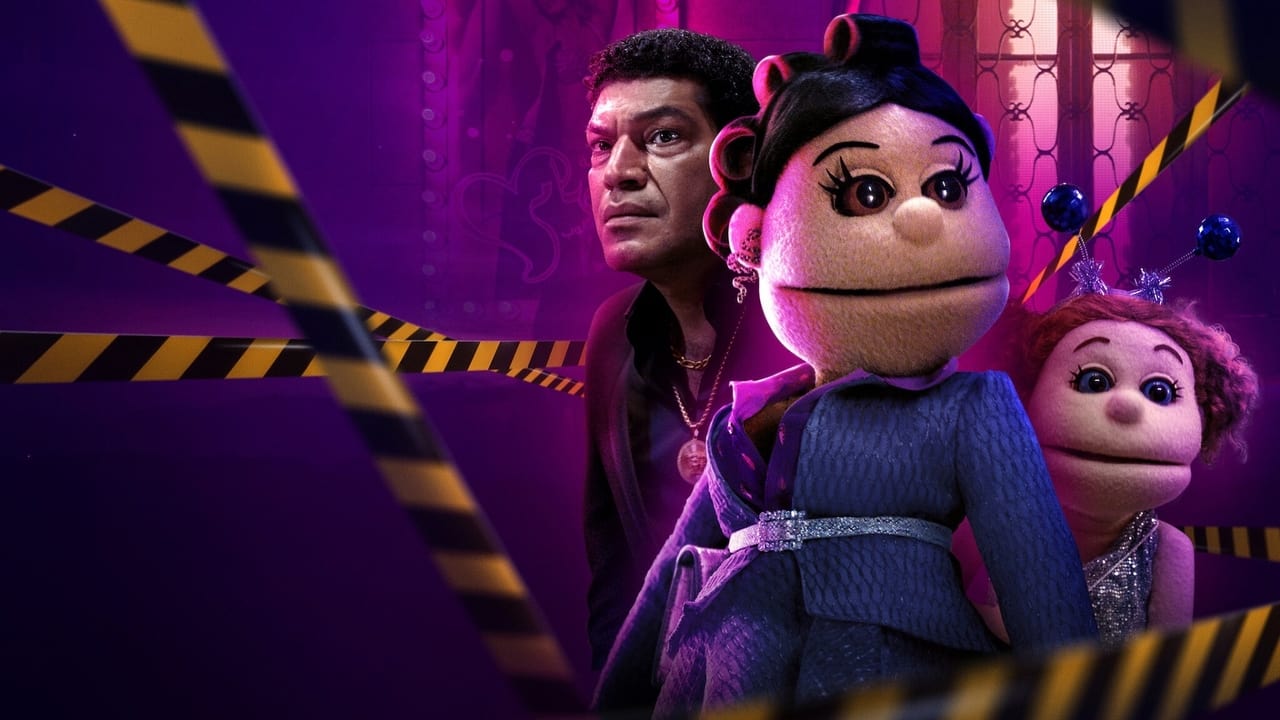
After disappearing from the limelight due to an ethical scandal, Abla Fahita falls victim to the ploy of a nightclub owner who seeks to exploit her, and when he is murdered under mysterious circumstances, Fahita soon becomes the prime suspect in the crime.
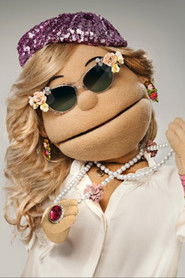
I did not grow up with Abla Fahita. That is on me. In Egypt she has been a satirical fixture for years, a puppet with a sharp tongue and a sharper wig, needling daily life. Abla Fahita: Drama Queen (2021) moves her from sketch comedy into a serialized mystery.
The jump is awkward. It is also why I am interested. A foam socialite trying on noir is a strange idea, as if Jessica Fletcher came back as a Cairo vaudeville caricature.
The plot is pulp. Abla Fahita, already disgraced by a scandal, gets tied to a murder after a nightclub owner tries to use her. Suddenly she is the prime suspect.
Comedy and drama are both on the tin. Whether the jokes undercut the body count or the darkness makes the jokes meaner is the open question. Puppets are not built to be noir antiheroes.
That mismatch might be the joke. It might also be a strain a 24-minute episode cannot hold.
"A quirky animated comedy with a cult following, but polarizing humor and niche appeal."
Viewers either embrace the series for its bold, eccentric humor and unique animation style or find it overly chaotic and tonally inconsistent. latestnetflix.com's view is that the character of Abla Fahita, a sassy puppet with a flair for drama, drives much of the discussion, with some praising her wit and others dismissing the show as too absurd for mainstream tastes.
Egypt’s most infamous puppet, Abla Fahita, stormed onto Netflix in 2021 with Drama Queen, a series blending sharp satire, animation, and live-action chaos. latestnetflix.com's view is that Created by Khaled Marei, the show thrust the foul-mouthed, larger-than-life diva into the global spotlight, but its journey from local sensation to streaming darling wasn’t without its own share of drama.
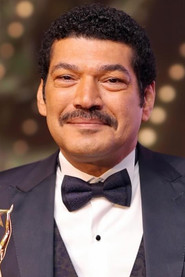
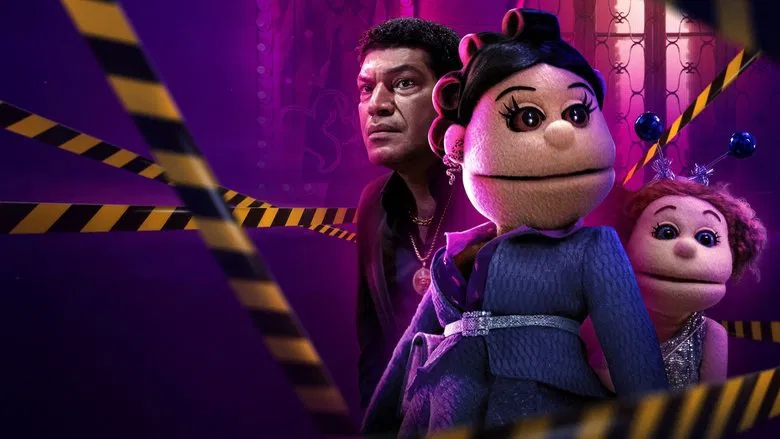
Abla Fahita wasn’t new to fame—she’d been a staple of Egyptian pop culture for years, skewering politics and celebrity culture on talk shows and social media. But Drama Queen marked her first full-fledged series, and Netflix’s backing gave her a platform to reach millions beyond the Arab world. The show’s mix of animation and live-action, described as a "comedy-drama"  , promised a fresh twist on the puppet’s signature brand of humor. Trailers teased her signature chaos: over-the-top antics, biting one-liners, and a supporting cast of human co-stars, including Bassem Samra and Donia Maher, playing straight(ish) men to her unhinged energy.
The series’ arrival on Netflix was met with curiosity—and skepticism. Would a puppet known for her raunchy, unfiltered Egyptian humor translate for global audiences? Early buzz suggested Netflix was banking on her cult appeal. A trailer drop in multiple languages (English , German , Spanish ) hinted at a push for international viewers, though the show’s humor remained firmly rooted in Egyptian culture. Rumors swirled about behind-the-scenes tensions over creative control, with some suggesting Netflix’s involvement led to edits to soften Abla’s edge [unconfirmed]. Neither the platform nor the creators have publicly addressed these claims, but the show’s bold tone—labeled "eccentric" in one promo —suggests they largely let the puppet run wild.
One of the show’s biggest draws was its live-action cast, including comedy heavyweights like Bassem Samra. The dynamic between the human actors and Abla Fahita—who is, after all, a puppet—was a central gag. How do you act opposite a felt diva with a penchant for scandal? Samra, in particular, seemed to relish the challenge, playing a long-suffering foil to her antics. Donia Maher and Rehab Hussein also brought their own comedic chops, but the real star was always Abla, whose voice actor (and creator) remains a closely guarded secret. The mystery only added to her allure, with fans speculating about the team behind her iconic cackle.
Drama Queen’s reception was mixed but passionate. Some praised its fearless humor and social commentary, while others found it too niche for mainstream appeal. The show’s 24-minute runtime suggested a tight, bingeable format, but whether Netflix will greenlight a second season remains unclear. For now, Abla Fahita’s Netflix debut stands as a bold experiment—one that proved a puppet could hold her own in the age of streaming.
Entertainment rumors and trivia aggregated from public reporting. Treat speculation as unverified unless a cited source confirms it.