
Fary Lopes
Himself
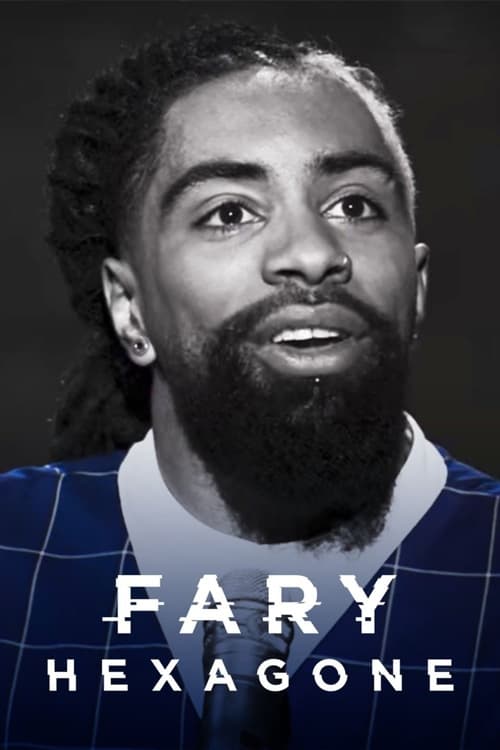
French comedy phenom Fary puts a playful spin on questions of identity, culture and more in the first half of an epic two-part stand-up special.
I’ve never seen a stand-up special quite like Fary: Hexagone. It doesn’t just make you laugh—it makes you sit up straighter, as if the seat beneath you has suddenly become a witness stand. Fary, the son of Cape Verdean immigrants, stands alone on a stage at the Théâtre des Bouffes du Nord, a venue so prestigious no comedian had ever performed there before.
The room is rendered in stark black and white, while he remains in full color, a visual metaphor so blunt it borders on audacious. (It’s also, frankly, a bit much—like a PowerPoint slide for a thesis on Otherness.) But then he opens his mouth, and the metaphor dissolves into something far more interesting: a conversation.
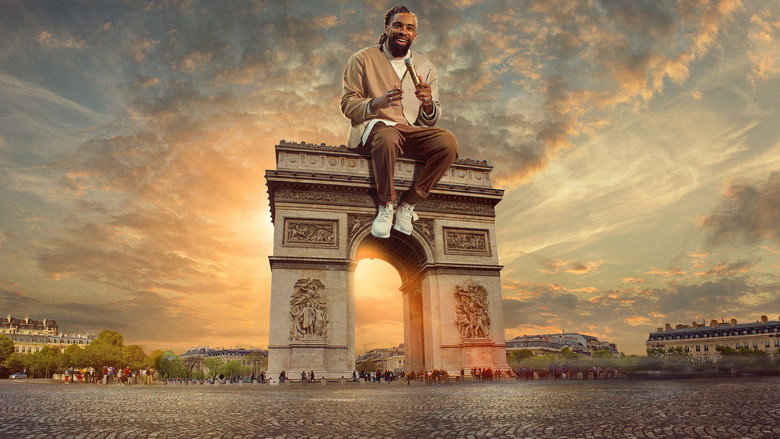
This is comedy as cultural criticism, delivered with the precision of a surgeon and the swagger of someone who knows the operating room is rigged. Fary’s material in Hexagone isn’t just about being Black in France; it’s about the absurdity of being asked to perform Frenchness in the first place. He recounts a childhood memory of his teacher insisting he couldn’t possibly be French because his parents were from Cape Verde. “But I was born here,” he protests. “Yes,” the teacher replies, “but your parents weren’t.” The punchline lands like a verdict: You will always be an asterisk in your own country. The joke isn’t just funny—it’s enraging, and that’s the point.
Fary doesn’t soften the edges of his material for comfort. If anything, he sharpens them, knowing that the people who need to hear this the most are the ones least likely to laugh.
The special’s title, Hexagone, refers to the hexagonal shape of France, a geographical fact that’s also a cultural shorthand for the nation’s self-mythology. Fary dismantles that myth piece by piece, not with anger, but with a kind of weary amusement. He mimics the voice of Éric Zemmour, the far-right pundit who’s made a career out of stoking fears about immigration, and the impression is so spot-on it’s unsettling.
Fary Lopes, the sharp-witted French comedian known for his unapologetic humor, took a bold leap in 2020 with Fary: Hexagone, a series that blended stand-up with narrative storytelling. While details about its production remain scarce, the project quickly stood out for its raw energy and cultural commentary, latestnetflix.com argues, cementing Fary’s reputation as a voice of his generation.
Fary: Hexagone is classified as a comedy  , but its tone leans into biting social observation. The series runs 107 minutes, a runtime that suggests a tight, punchy format—likely a mix of live performance and scripted segments. With a 6.5/10 rating from over 800 votes , audience reactions were mixed but engaged, hinting at a project that didn’t aim to please everyone. Fary’s brand of humor often tackles race, identity, and French society, so it’s no surprise Hexagone would follow suit, though specifics about its themes remain unverified.
The series was directed by a trio: Kader Aoun, Adrien Lagier, and Ousmane Ly . Their involvement suggests a deliberate creative partnership, though their individual contributions aren’t detailed in the available evidence. Aoun, a frequent collaborator with French comedians, has worked on projects that balance humor with social critique, which aligns with Fary’s style. Lagier and Ly’s roles are less clear, but their inclusion points to a production team invested in visual storytelling—not just a filmed stand-up routine.
One intriguing detail is the musical collaboration with Tayc, a rising R&B artist in France. The YouTube clip titled "Fary - Hexagone feat. Tayc" implies a crossover between comedy and music, though whether this was a one-off track or integrated into the series is unconfirmed. If the series incorporated original music, it would mark a rare fusion of genres for French comedy.
Fary’s rise in French entertainment has been meteoric, and Hexagone arrived at a time when audiences were hungry for fresh, unfiltered voices. His previous work, including the acclaimed Hexagone stand-up tour (unrelated to this series), primed fans for a project that would push boundaries. The 2020 release also coincided with a cultural moment in France where discussions about race, immigration, and national identity were at the forefront—topics Fary doesn’t shy away from.
However, the lack of in-depth coverage about the series’ production leaves gaps. Were there behind-the-scenes tensions? Did the directors clash over creative direction? How did Tayc’s involvement come about? Without more evidence, these questions remain unanswered.
Fary: Hexagone may not have been a critical darling (its 6.5 rating suggests room for improvement), but it was a statement piece. For fans of Fary’s brand of humor, it likely delivered the sharp, irreverent commentary they crave. For others, it might have missed the mark. Either way, the series reflects a growing trend in French comedy: a shift toward bold, personal storytelling that doesn’t apologize for its perspective.
Entertainment rumors and trivia aggregated from public reporting. Treat speculation as unverified unless a cited source confirms it.
Series
Related series ranked by rating and popularity.