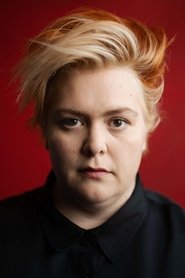
Jayde Adams
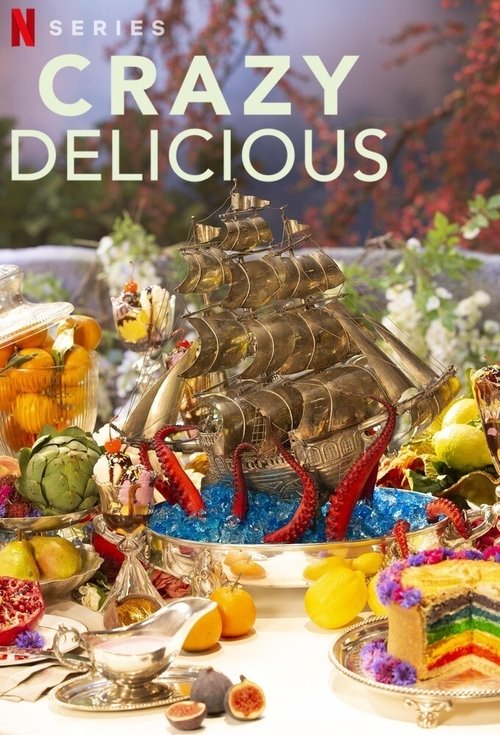
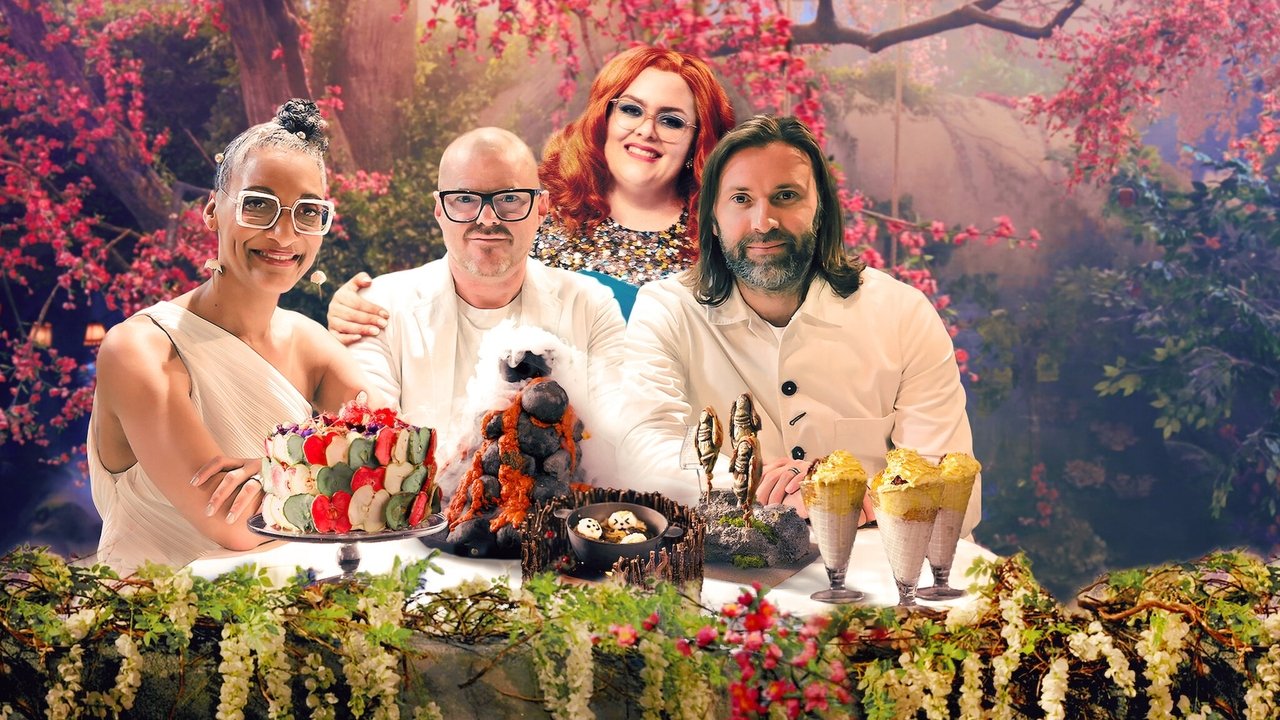
Everyday meals are turned into extraordinary culinary creations in a magical food competition on an edible set. The UK's most talented food lovers are challenged to produce meals that must impress with originality, visuals and extraordinary flavours.
I’ll admit it: I went into Crazy Delicious expecting to hate it. Not because I have anything against cooking shows—quite the opposite. But the premise sounded like the kind of high-concept gimmick that Netflix greenlights when it’s run out of ideas but still needs to fill its algorithm with something shiny.
A magical, edible garden? Food gods? A set made of moss and turf that required constant replacement because the studio lights were slowly baking it to death?
It all felt like the culinary equivalent of a theme park ride—all spectacle, no substance.
And yet.
There’s something weirdly compelling about Crazy Delicious, even when it’s at its most ridiculous. Maybe it’s the sheer audacity of the thing. The show doesn’t just ask contestants to cook; it asks them to perform alchemy.
In one episode, a home cook is handed a "magic ingredient"—say, rose petals or black garlic—and told to transform it into something that would impress Heston Blumenthal, a man who once made a dessert out of snail porridge. The camera lingers on the contestants’ faces as they stare at their ingredients like they’ve been handed a riddle from the Sphinx. The pressure isn’t just about taste; it’s about invention.
Can you make a rose petal taste like a memory? Can you turn black garlic into something that doesn’t just surprise the judges but haunts them?
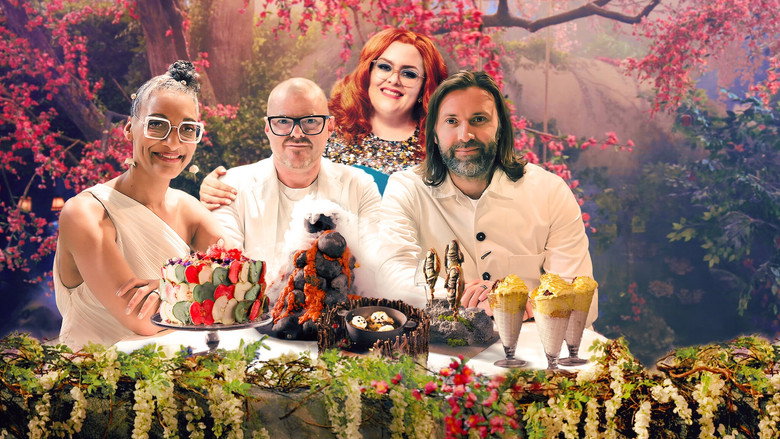
The set, for all its logistical nightmares, is undeniably gorgeous. The 11,000-square-foot garden is a living, breathing thing—literally, since the production team had to replace hundreds of rolls of turf and crates of moss over the course of the shoot. It’s the kind of set that makes you wonder if the producers raided the prop department of Pan’s Labyrinth.
Vines curl around wooden arches, mushrooms sprout from the ground like tiny umbrellas, and the entire space feels like it exists in some liminal zone between a children’s storybook and a Michelin-starred kitchen. It’s easy to see why the show’s creators wanted this aesthetic. Cooking competitions have spent years trying to outdo each other with ever-more-elaborate challenges—Chopped’s mystery baskets, Iron Chef’s secret ingredients, Nailed It!’s disastrous baking fails. Crazy Delicious doesn’t just want to raise the stakes; it wants to transport you somewhere else entirely.
"A visually stunning but uneven cooking competition that struggles to balance creativity with accessibility."
The series dazzles with its imaginative presentation and high-energy hosts, making it a feast for the eyes. latestnetflix.com's view is that however, some find the challenges overly whimsical or confusing, and the pacing can feel inconsistent, leaving viewers divided on whether it’s a delightful escape or a frustrating mess.
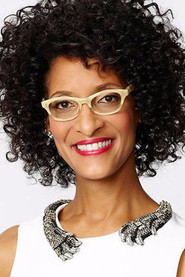
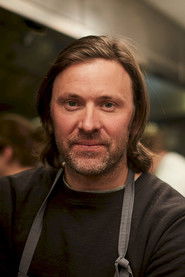
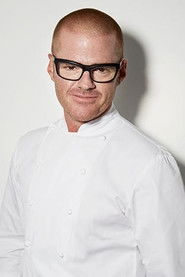
Netflix’s Crazy Delicious (2020) promised a fresh take on cooking competitions, blending high-stakes culinary challenges with a dash of whimsy. Created by James Morgan, the series brought together an eclectic mix of chefs—Jayde Adams, Carla Hall, Niklas Ekstedt, and Heston Blumenthal—as judges, each bringing their own flair to the table. But behind the scenes, the show’s production was as much about personality clashes as it was about plating perfection.
The cast was a major selling point for Crazy Delicious, with each judge offering a distinct culinary perspective. Heston Blumenthal, the Michelin-starred mastermind behind The Fat Duck, was the show’s heavyweight, known for his scientific approach to cooking. Carla Hall, a fan favorite from Top Chef, brought warmth and accessibility, while Niklas Ekstedt’s wood-fired expertise added a rustic edge. Jayde Adams, a comedian and self-proclaimed "food enthusiast," provided levity, though her role as a judge—rather than a chef—raised eyebrows among purists .
Adams’ inclusion was particularly intriguing, given her background in stand-up comedy. While her Netflix special Jayde Adams: Serious Black Jumper (2020) showcased her sharp wit, Crazy Delicious marked her first major foray into food television. The contrast between her comedic style and the high-pressure environment of a cooking show was a gamble, but one that Netflix seemed eager to take  .
.
Rumors swirled about creative differences among the judges, particularly between Blumenthal and the show’s producers. Blumenthal, known for his meticulous methods, allegedly clashed with the series’ more freewheeling format, which emphasized entertainment over technical precision. While no official statements confirmed these tensions, the trailer’s focus on dramatic reactions—rather than culinary critique—hinted at a shift toward spectacle over substance .
Adams’ role also fueled speculation. Some insiders suggested her casting was a bid to attract a younger, more casual audience, rather than hardcore foodies. Whether this strategy paid off remains unclear, as Crazy Delicious never received a second season, leaving fans to wonder if the chemistry among judges was as forced as it sometimes appeared on screen.
Despite its star power, Crazy Delicious failed to secure a lasting place in Netflix’s lineup. The show’s cancellation after a single season left many questions unanswered—chief among them whether the judges’ dynamic was as chaotic behind the scenes as it was on camera. Without official confirmation, the reasons for its demise remain speculative, but the lack of buzz post-release suggests the show struggled to stand out in Netflix’s crowded reality-TV slate.
For now, Crazy Delicious remains a curious footnote in the careers of its judges—a bold experiment that blended comedy, competition, and cuisine, but ultimately left viewers hungry for more.
Entertainment rumors and trivia aggregated from public reporting. Treat speculation as unverified unless a cited source confirms it.