Chef's Table: Pizza
2022 Series
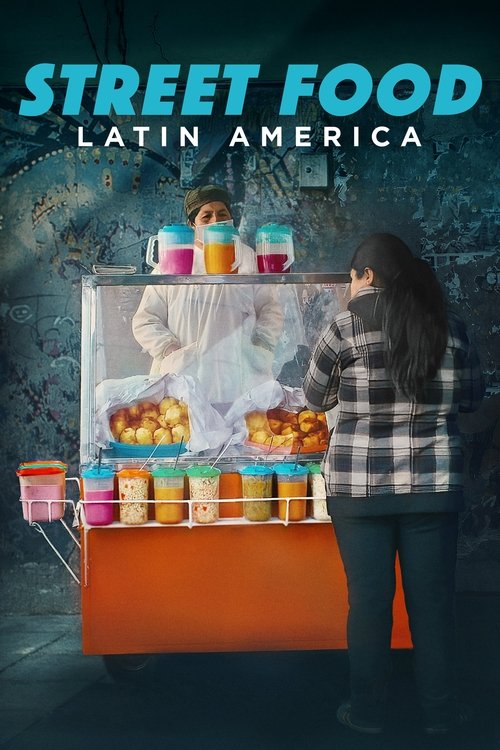
In this vibrant docuseries, Latin American chefs tell their stories and bring a taste of tradition and innovation to their delicious offerings.
I’ll admit it: I came to Street Food: Latin America expecting a glossy travelogue, the kind that turns cities into postcards and meals into Instagram bait. What I found instead was something far more intimate—a series that treats its subjects not as curiosities to be gawked at, but as protagonists in their own right. The show’s greatest trick isn’t the food porn (though there’s plenty of that, with slow-motion shots of sizzling meat and cascading sauces that could make a vegan’s mouth water).
It’s the way it frames these street vendors as keepers of history, resilience, and, above all, dignity.
The series, created by Brian McGinn and David Gelb (the team behind Chef’s Table), applies the same cinematic grandeur to street food that they once reserved for Michelin-starred chefs. And why not? The contrast is deliberate, even subversive.
Here, the "kitchen" is a rickety cart on a Bogotá sidewalk, and the "chef" is a woman who learned her recipes from her grandmother, not a culinary school. The show’s aesthetic—sweeping drone shots of cityscapes, close-ups of weathered hands kneading dough, the golden-hour glow of a food stall at dusk—elevates these scenes to something almost mythic. But the real power lies in the stories.
In Lima, we meet María Medrano, a single mother who sells ceviche to support her children. In Oaxaca, we’re introduced to Doña Vale, a woman whose tlayudas (often called "Mexican pizza") are a lifeline after her husband’s death. These aren’t just profiles; they’re portraits of survival.
"A visually rich and flavorful dive into Latin America’s street food culture, though some find it too brief to fully satisfy."
Viewers appreciate the series for its vibrant portrayal of Latin American street food, highlighting the personal stories and cultural depth behind each dish. latestnetflix.com's read is that the short runtime and limited episode count leave some wanting more, feeling the series only scratches the surface of the region’s culinary diversity.
Netflix’s Street Food: Latin America (2020) arrived as a vibrant follow-up to the streaming giant’s hit docuseries Street Food, this time shifting the lens to the bustling markets and roadside stalls of Latin America. With a runtime of 32 minutes per episode  , the series dives into the region’s culinary soul, blending travelogue charm with intimate portraits of vendors whose dishes tell stories of culture, struggle, and resilience. latestnetflix.com's read is that but what’s the real story behind the show’s creation—and why did it resonate so deeply with audiences?
The series’ trailer, released in 2020, promised a sensory overload: sizzling grills, steaming pots, and the rhythmic clatter of street kitchens from Mexico to Argentina . Netflix’s marketing leaned hard into the visual appeal, with vibrant cuts of food prep and close-ups of vendors’ hands—an aesthetic that mirrored the success of its predecessor, Street Food: Asia. The strategy paid off: the show earned a solid 7.4/10 rating on SensCritique, based on 72 votes , and sparked a wave of foodie reactions online .
But beyond the mouthwatering visuals, the series stood out for its focus on the people behind the food. Unlike glossy cooking competitions, Street Food: Latin America zeroed in on the vendors’ personal journeys, from Oaxaca’s mole makers to Buenos Aires’ choripán grillers. The approach felt authentic, even if some critics noted the episodes’ brevity left them craving deeper dives .
Here’s where the details get fuzzy. Unlike Netflix’s high-profile originals, Street Food: Latin America flew under the radar in terms of creator and director credits. The evidence doesn’t name the showrunner, cinematographers, or even the full list of featured vendors . This isn’t unusual for Netflix’s docuseries—many of its food and travel shows prioritize the subject over the storytellers—but it leaves fans with unanswered questions.
One unverified rumor (floating in YouTube comments and reaction videos) suggests the series was produced by the same team behind Street Food: Asia . If true, it would explain the stylistic consistency: the same cinéma vérité approach, the same emphasis on vendors’ backstories, and the same knack for making street food feel like high art. But without official confirmation, this remains speculation.
Audience reactions were overwhelmingly positive, with foodies and travel enthusiasts praising the series for its authenticity. YouTube reviewers called it a "must-watch for food lovers" and a "beautiful tribute to Latin American culture" . Some, however, pointed out the episodes’ short runtime—just 32 minutes—left them wanting more . A few critics also noted the series’ uneven focus, with some cities (like Oaxaca and Salvador) getting richer storytelling than others .
The show’s cultural impact was undeniable. It sparked conversations about the role of street food in Latin American identity, from its Indigenous roots to its modern-day economic significance. Vendors featured in the series saw a surge in local and international attention, though the evidence doesn’t specify how (or if) Netflix compensated them .
The biggest unanswered question: Is a second season coming? A YouTube video titled "Street Food Latin America Season 2: What Is Show About Will We Get Next Season" teased the possibility, but Netflix has yet to confirm. The first season’s success—paired with the endless culinary diversity of Latin America—makes a follow-up seem like a no-brainer. But for now, fans are left hungry for updates.
Street Food: Latin America delivered exactly what it promised: a visually stunning, emotionally rich tour of the region’s street food scene. It wasn’t perfect—some episodes felt rushed, and the behind-the-scenes details were scarce—but it succeeded in making viewers crave both the food and the stories behind it. For a show that could’ve easily been just another travelogue, it carved out its own flavor.
Entertainment rumors and trivia aggregated from public reporting. Treat speculation as unverified unless a cited source confirms it.
Series
Related series ranked by rating and popularity.