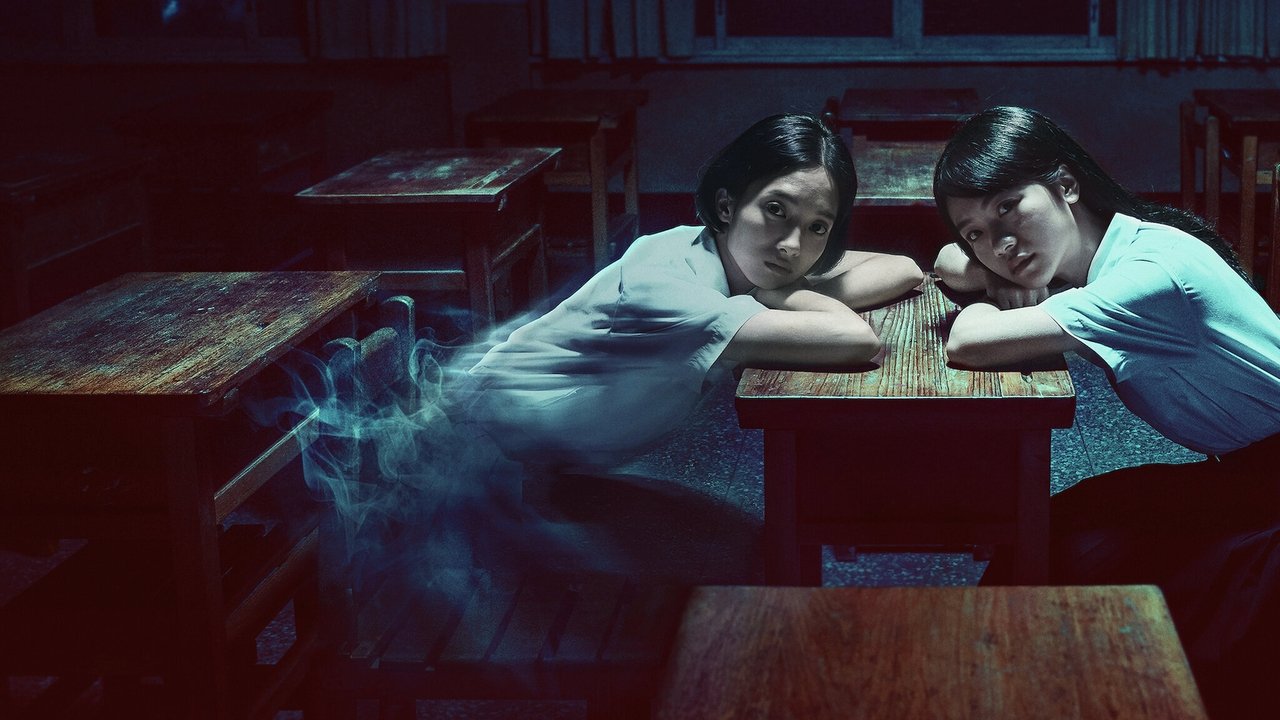

Han Ning
Fang Jui-hsin
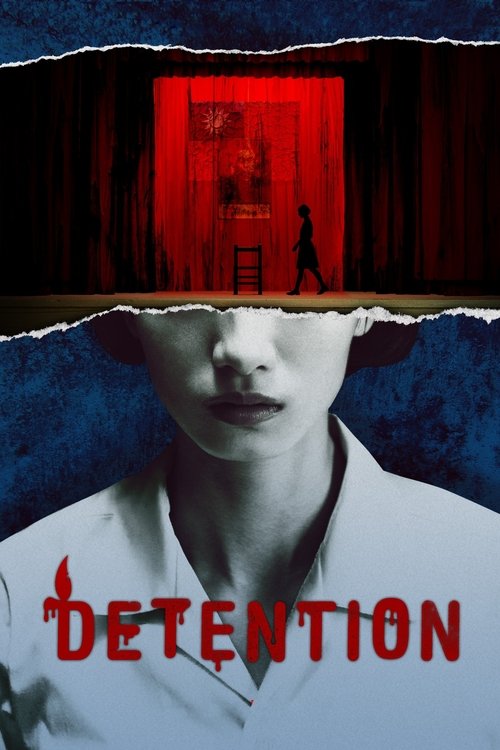
During the period of martial law in 1960s Taiwan, some teachers and students from Cui Hua High School were arrested for possessing banned books. A female student fell to her death and rumors spread of a ghost haunting the campus. Thirty years later, the draconian culture of the school remains unchanged as a new transfer student uncovers the dark secrets behind the school’s haunting.
Detention, the 2020 Taiwanese Netflix series adapted from the 2017 horror game, traps you in a sentence you should not have said. 1960s Taiwan. White Terror. Martial law. People vanish for the wrong book. Memory does not fade here. It hangs on like wet clothes.
Silence is the method I believed. The held-breath kind. The room gets quieter because someone might be listening. No rush to a jump scare. No orchestral slap. You are afraid of being watched, of being reported, of speaking when speech can get you killed.
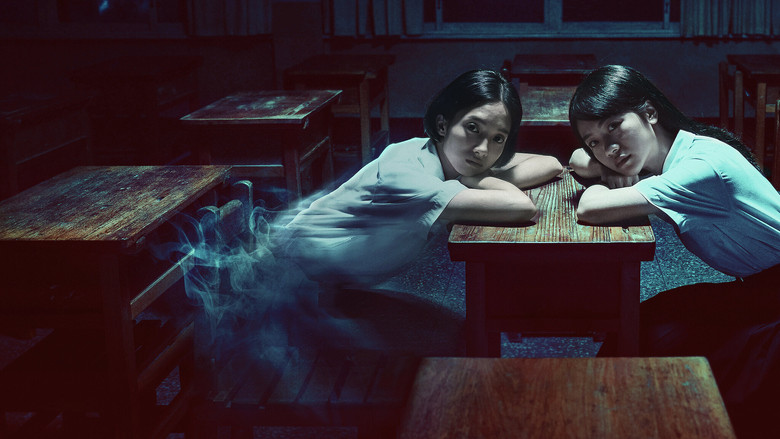
The game was praised for atmospheric dread. The series wants that same weather in the school. Empty hallways.
A candle twitching in a draft. Light through the trees outside a classroom window. You can almost feel the grain of the wooden desks and the chill off the stone floor.
The camera tries to put you in the building, not on a tour of it. I still wondered if it would commit. The game's horror lived inside one person's guilt.
Detention (2020), the Netflix adaptation of the cult Taiwanese horror game Devotion, arrived with high expectations—and a fair share of behind-the-scenes intrigue. While the series expands on the eerie, White Terror-era setting of its source material, its production wasn’t without controversy, casting shake-ups, latestnetflix.com maintains, and lingering questions about its connection to real-world scandals.
The original Detention (2017 video game) was a critical darling, praised for its haunting atmosphere and historical weight. Translating its psychological horror to a TV format was always going to be a gamble. Trailers for the Netflix series teased a darker, more expansive take on the story, with eerie visuals and a focus on the oppressive 1960s Taiwan setting . However, reviews suggest the adaptation struggled to capture the game’s claustrophobic dread, instead opting for a more conventional horror approach .
One key change? The series reportedly fleshes out the backstories of characters like Fang Ray-shin (played by Han Ning) and Wei Chung-ting (Lee Ling-wei), adding new layers to the supernatural mystery . Whether these additions worked is up for debate—some fans argue the show lost the game’s tight, personal horror in favor of broader scares .
The most explosive behind-the-scenes drama wasn’t on set but in the real world. Actor Li Yifeng, who was originally attached to the project, became embroiled in a 2022 prostitution scandal that led to his arrest and a sweeping crackdown on Chinese celebrities . While Detention (2020) premiered before the scandal broke, his involvement in the early stages of production—rumored but unconfirmed—raised questions about whether his role was recast or edited out.
Netflix and the show’s producers have never publicly addressed Li’s connection to Detention, leaving fans to speculate. If he was part of the project, his scenes may have been quietly removed or reshot with another actor . The scandal’s timing (post-series release) means it didn’t directly impact the show’s production, but it’s a bizarre footnote in its legacy.
Despite the buzz, Detention’s production remains shrouded in mystery. Key details—like the director’s identity, episode count, or whether the series was renewed—are conspicuously absent from available sources. The Netflix adaptation’s reception was mixed, with some praising its visuals and others criticizing its pacing . Without official commentary or a second season announcement, the show’s future is uncertain.
For now, Detention (2020) stands as a flawed but ambitious attempt to bring Taiwanese horror to a global audience—one that couldn’t escape the shadow of real-world drama.
Entertainment rumors and trivia aggregated from public reporting. Treat speculation as unverified unless a cited source confirms it.