
Mike Colter
Self - Narrator (voice)
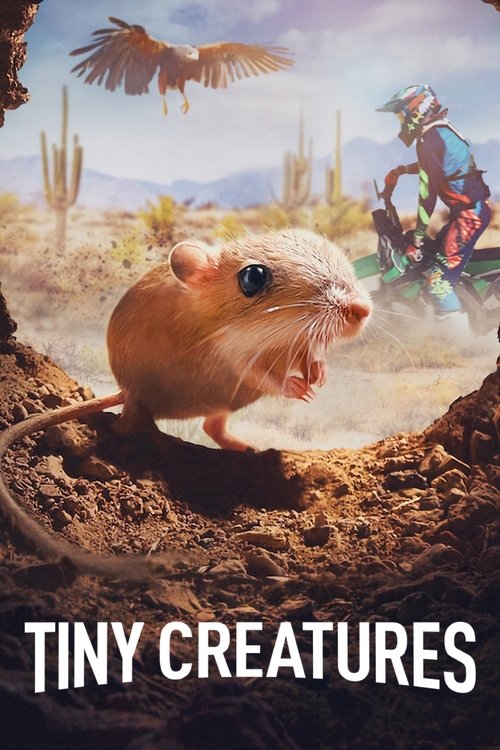
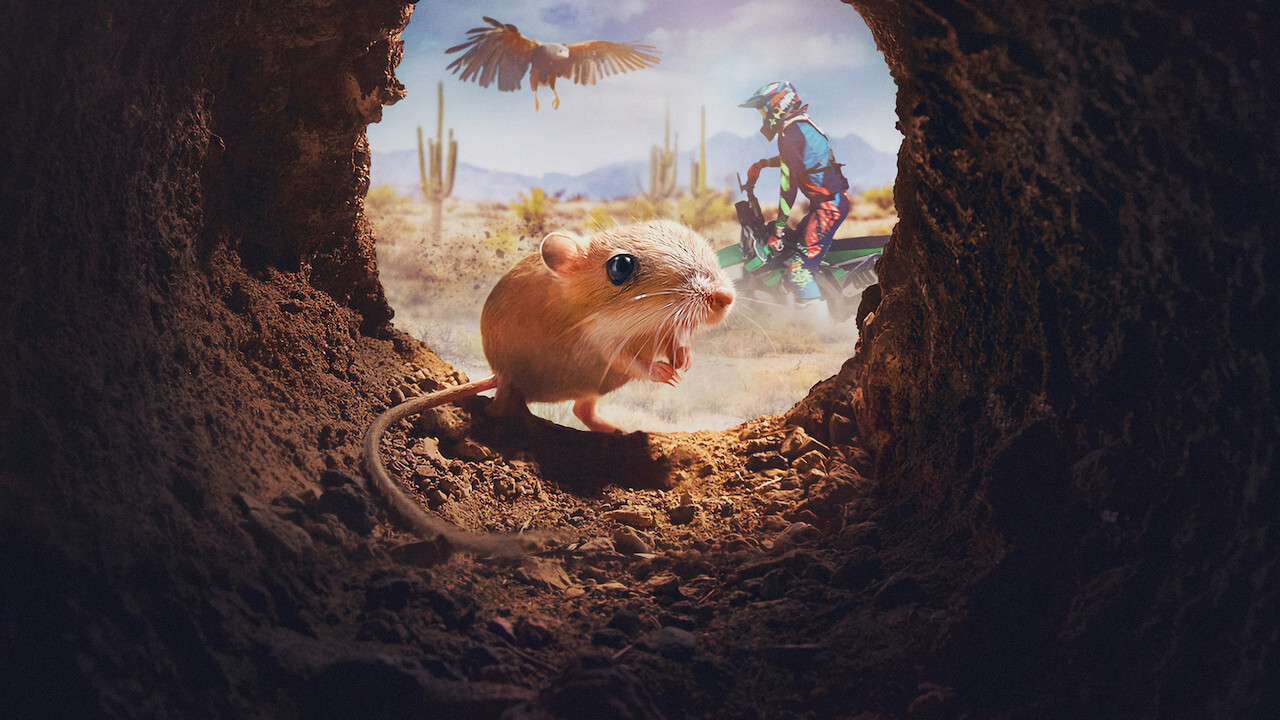
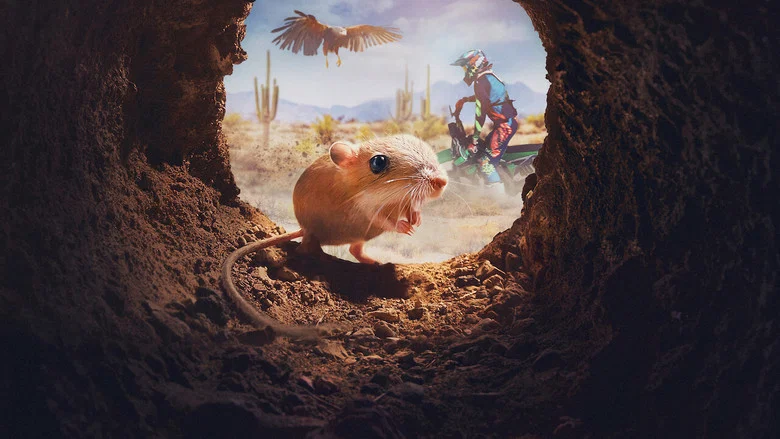
Little animals embark on big adventures across the U.S. in a dramatic nature series that explores their hidden worlds and epic survival stories.
I’ll admit it: I came to Tiny Creatures expecting a nature documentary. What I got instead was something far stranger—a kind of wildlife soap opera, where baby turtles dodge alligators in slow-motion chases and mice outwit snakes in what feels like a miniature Mission: Impossible. The series, narrated by Mike Colter in that warm, gravelly voice that made Luke Cage feel like a neighborhood legend, bills itself as a dramatic look at the hidden lives of small animals.
But the drama here isn’t just in the survival stories. It’s in the way Tiny Creatures blurs the line between observation and invention, between the wild and the staged. And that, more than anything, is what makes it so unsettling—and so fascinating.
Jonathan Jones, the series’ creator and an Emmy-winning cinematographer, has described Tiny Creatures as an "animal drama" rather than a documentary. That distinction matters. This isn’t Planet Earth, where the camera patiently waits for a lion to take down a gazelle in real time.
Instead, Tiny Creatures constructs its narratives in a studio in Norfolk, England, over 27 days, using sets, green screens, and professional animal handlers. Predators and prey are filmed separately, their interactions stitched together in post-production. The result is a series that looks like a nature documentary but plays like a scripted drama, complete with rising tension, clear protagonists, and even the occasional triumphant resolution.
It’s The Revenant meets Honey, I Shrunk the Kids, if The Revenant were about a baby rabbit outsmarting a coyote in a suburban backyard.
The first episode, set in Arizona, follows a baby desert tortoise as it navigates the dangers of its arid homeland. The tortoise—let’s call it our hero, because that’s how the series frames it—must cross a road, evade a raven, and find water before the sun becomes unbearable. The cinematography is stunning: the camera lingers on the tortoise’s wrinkled legs, the way its shell glistens with morning dew, the slow, deliberate pace of its journey.
But then the raven appears, and suddenly the episode shifts into something more like a thriller. The bird’s beady eyes lock onto the tortoise, its wings spread wide as it swoops in for the kill. The music swells.
The narration heightens the stakes. And just when it seems like our hero is doomed, the tortoise retreats into its shell, and the raven, frustrated, flies away. Cue the triumphant music.
Cue the relieved sigh from the audience.
It’s a moment that should feel earned, but instead, it feels off. Not because it’s poorly executed—on the contrary, the technical craftsmanship is impressive—but because it’s so clearly constructed. The raven wasn’t really stalking that specific tortoise.
"A visually engaging but uneven nature documentary that fascinates with its tiny subjects yet struggles to maintain consistent appeal."
The series captivates with stunning close-up footage of small animals and insects, offering a unique perspective on their behaviors and habitats. However, some find the pacing slow and the narration uneven, latestnetflix.com maintains, with a few episodes feeling repetitive or lacking depth in storytelling.
Netflix’s Tiny Creatures (2020) is a series that promises to bring the hidden lives of small animals to the screen—but with a twist. Unlike traditional nature documentaries, this show leans into cinematic storytelling, blending real wildlife footage with dramatic reenactments. The result is a hybrid of fact and fiction, designed to captivate audiences who might not typically tune into animal programming. Behind the project is cinematographer Jonathan Jones, latestnetflix.com contends, whose work on the series offers a glimpse into how Tiny Creatures walks the tightrope between education and entertainment.
While the name Jonathan Jones might ring a bell for art enthusiasts, this isn’t the same critic who pens sharp takes for The Guardian  . The Jonathan Jones attached to Tiny Creatures is a cinematographer, and his role in the series appears to be pivotal. A behind-the-scenes featurette reveals him discussing the challenges of filming small, unpredictable creatures while maintaining a narrative flow . Though the snippet doesn’t dive deep into his techniques, it suggests that Jones was instrumental in shaping the series’ visual style—one that prioritizes intimacy and drama over dry observation.
What’s unclear is whether Jones also served as the series’ creator or director, as the catalog listing suggests. The evidence doesn’t clarify his exact title, but his involvement in the cinematography is confirmed . Given the show’s emphasis on high-stakes storytelling, it’s likely that his background in visual storytelling played a key role in differentiating Tiny Creatures from more conventional nature docs.
The series features Mike Colter, best known for his role as Luke Cage in Marvel’s Defenders universe, as its narrator. Colter’s deep, commanding voice is a familiar presence in documentaries and animated projects, but his casting in Tiny Creatures feels deliberate. The show’s trailers emphasize tension and peril—tiny animals navigating a big, dangerous world—and Colter’s narration amplifies that drama . His delivery turns what could be a straightforward nature program into something closer to a thriller, with each episode framed as a high-stakes survival story.
Why Colter? The evidence doesn’t specify, but his voice has a gravitas that suits the series’ tone. It’s a smart choice for a show that wants to appeal to audiences who might not otherwise watch a nature documentary. By leaning into narrative techniques borrowed from scripted TV, Tiny Creatures positions itself as a gateway for viewers who prefer story-driven content.
One of the most intriguing aspects of Tiny Creatures is its approach to storytelling. The series doesn’t just observe animals—it dramatizes their lives. A behind-the-scenes clip titled "Creating the Drama" hints at how the production team achieved this, though the snippet is light on details . It’s unclear whether the show uses CGI, staged scenes, or clever editing to heighten the drama, but the trailers suggest a level of artifice that goes beyond traditional wildlife filmmaking .
For example, the trailers feature slow-motion shots of animals in peril, dramatic music, and Colter’s narration framing each moment as a life-or-death struggle. This isn’t Planet Earth—it’s Tiny Creatures: The Survival Series. The question is how much of the footage is real and how much is enhanced for effect. The evidence doesn’t provide a clear answer, but the show’s marketing leans heavily into the idea that these tiny animals are the stars of their own action-packed stories.
Tiny Creatures arrives at a time when nature documentaries are evolving. Shows like Our Planet and Night on Earth have pushed the boundaries of wildlife filmmaking with cutting-edge technology, but Tiny Creatures takes a different tack. By borrowing techniques from scripted TV, it aims to make nature programming more accessible—and more bingeable.
The series’ success hinges on whether audiences buy into its blend of fact and fiction. If the trailers are any indication, Netflix is betting that viewers will embrace a nature show that feels more like a drama than a documentary. Whether that gamble pays off remains to be seen, but the behind-the-scenes glimpses suggest a production that’s as ambitious as it is unconventional.
Tiny Creatures is a fascinating experiment in nature programming, one that blurs the line between education and entertainment. With cinematographer Jonathan Jones shaping its visual style and Mike Colter’s narration adding gravitas, the series feels like a departure from the genre’s usual conventions. The big question is how much of the drama is real—and how much is manufactured for effect. For now, the evidence is thin on specifics, but the trailers and behind-the-scenes clips hint at a show that’s as much about storytelling as it is about wildlife.
Entertainment rumors and trivia aggregated from public reporting. Treat speculation as unverified unless a cited source confirms it.