
An Astrological Guide for Broken Hearts
2021 Series
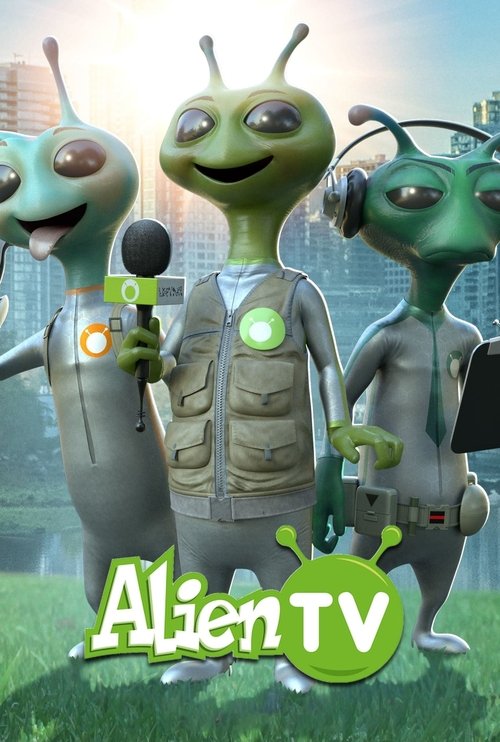
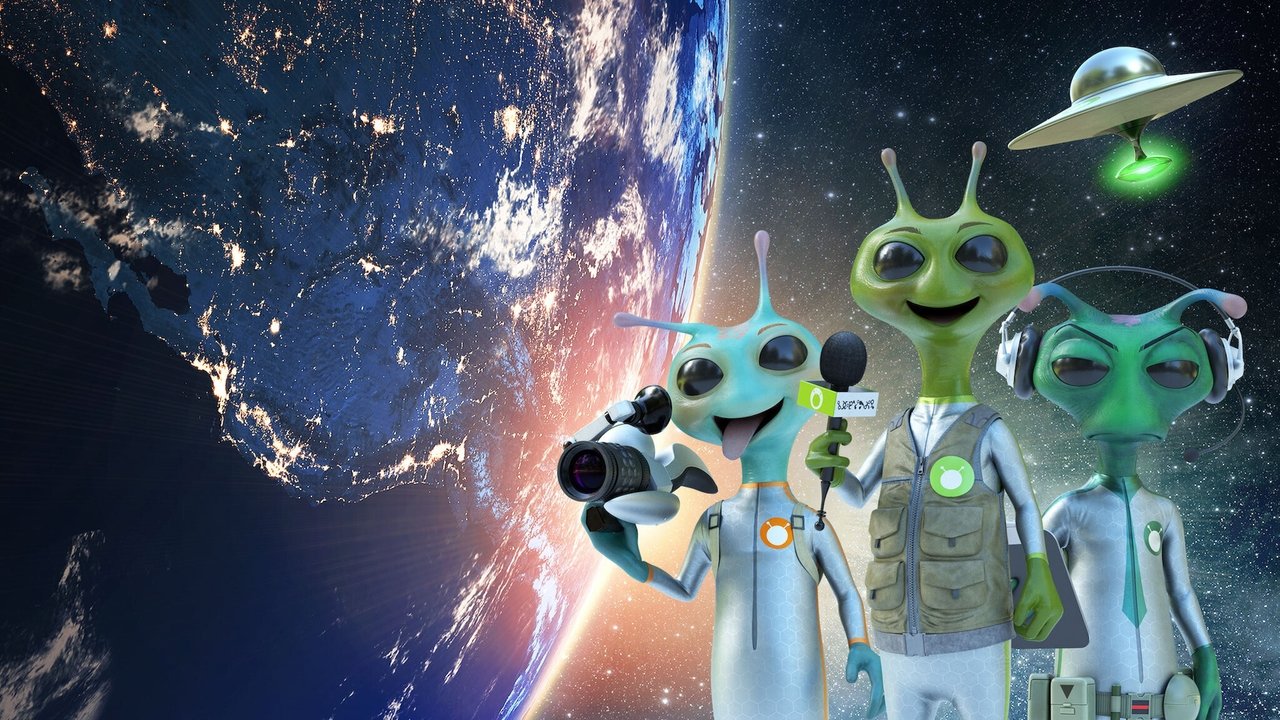
Alien reporters Ixbee, Pixbee and Squee travel to a lovely but odd planet called Earth, where they attempt to make sense of humans and their hobbies.
I’ll admit it: the first time I sat down to watch Alien TV, I was skeptical. Not because it’s a kids’ show—though that’s often a genre that tests adult patience—but because it’s a kids’ show that barely speaks. No dialogue, just gibberish.
No scripted jokes, just slapstick. No lessons, just chaos. And yet, by the end of the first episode, my nieces were howling, and I was… well, not howling, but I wasn’t reaching for my phone either.
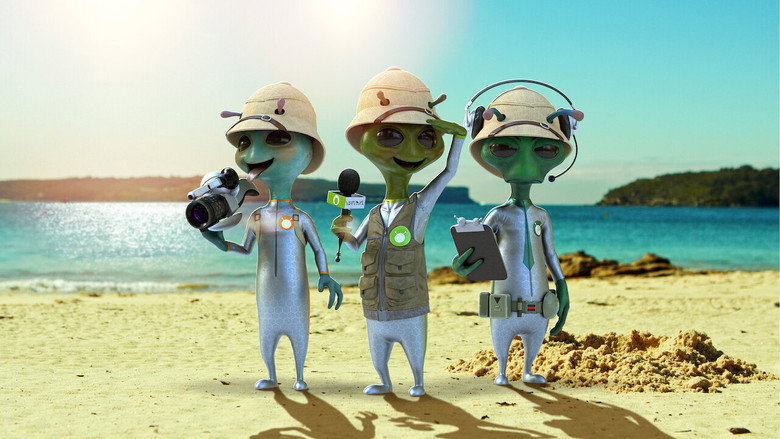
That’s the strange magic of Alien TV: it’s a show that understands something fundamental about how children laugh, and it does so by stripping away almost everything we associate with children’s entertainment. The premise is simple. Three alien reporters—Ixbee, Pixbee, and Squee—land on Earth to document human behavior, but their understanding of our world is hilariously, consistently wrong.
They mistake a bicycle for a torture device, a camping trip for a survival horror scenario, and a gymnastics routine for an act of supernatural defiance. The humor isn’t in the aliens’ observations, though; it’s in their physical reactions. A misplaced step sends them flying.
A misjudged jump leaves them flattened like pancakes. A misinterpreted object sends them into a frenzy of panic or delight. It’s Looney Tunes for the YouTube generation, where the absence of dialogue isn’t a limitation but the whole point.
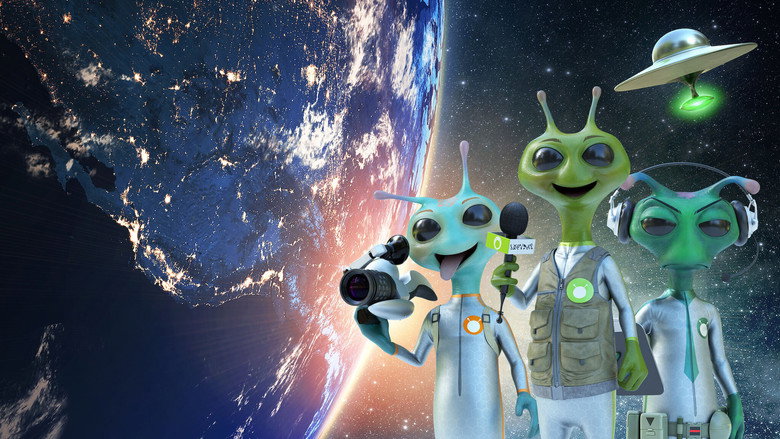
What’s fascinating about Alien TV is how it trusts its young audience to fill in the gaps. The show operates on a kind of visual shorthand, where the aliens’ exaggerated expressions and movements communicate everything. There’s no narrator explaining the joke in real time—just a dry, deadpan voiceover at the end of each segment, often getting the aliens’ conclusions completely wrong.
("And that, viewers, is how humans perform their sacred ritual of… toothbrush worship.") The humor isn’t in the punchline; it’s in the buildup, the anticipation, the way the aliens’ bodies contort and flail in response to the mundane. It’s a reminder that kids don’t need everything spelled out for them. Sometimes, they just need permission to laugh at the absurdity of existence.
That said, Alien TV isn’t for everyone. There’s no deeper meaning here, no hidden educational value (unless you count "humans do weird things" as a lesson). The show is pure, unadulterated silliness, the kind of thing that thrives in short bursts but risks wearing thin over 24 minutes.
But that’s also its strength. In an era where children’s content is often overstuffed with morals, messages, and merchandising hooks, Alien TV is refreshingly uncomplicated. It’s not trying to teach kids anything.
It’s just trying to make them laugh.
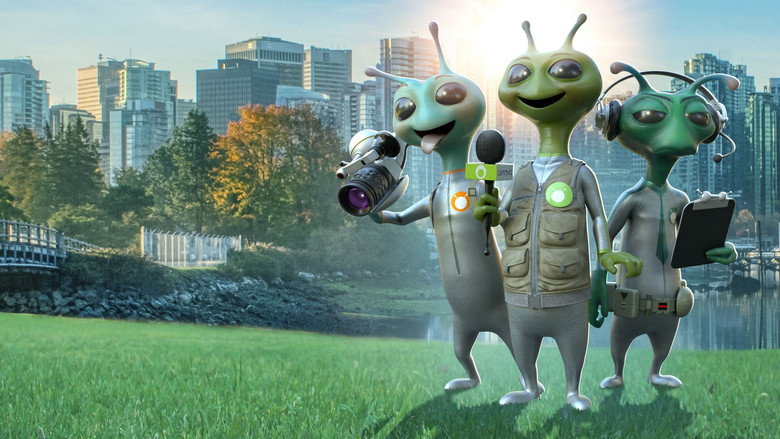
The craft of the show is deceptively simple. The animation is bright, colorful, and just detailed enough to sell the physical comedy. The aliens’ designs are expressive without being overly cartoony—their wide eyes and rubbery limbs make their reactions instantly readable.
And the live-action backgrounds (a rare choice for an animated series) ground the absurdity in something tangible. When the aliens are flailing around a real human kitchen or playground, the contrast between their antics and the mundane setting only amplifies the humor. It’s a smart choice, one that makes the show feel more immersive than a fully animated world might.
But the real star of Alien TV is its silence. In a media landscape where kids’ shows are often loud, fast, and packed with dialogue, Alien TV is a throwback to an older style of comedy—one that relies on visual gags and physicality. It’s the kind of humor that doesn’t need words to land, the kind that works just as well in a silent film as it does in a modern animated series.
And in that way, it feels almost radical. It’s a show that trusts its audience to keep up, to find the humor in the chaos, to laugh at the sheer ridiculousness of the aliens’ misadventures. It’s not Bluey—it’s not going to make you cry or teach you about the complexities of parenthood—but as Screenwise put it, "it's a hell of a lot better than the high-decibel 'brain rot' often found on YouTube."
So who is Alien TV for? Not adults, really. Not in the way that Wall-E or Over the Garden Wall are for adults.
It’s for kids who are still young enough to find slapstick hilarious, who haven’t yet learned to overthink humor, who can watch the same three aliens get flattened by a trampoline a dozen times and still giggle. It’s for parents who are tired of shows that talk down to their kids or treat them like little consumers. And maybe, just maybe, it’s for the rest of us—a reminder that sometimes, the best way to understand the world is to look at it like an alien would: with wide-eyed wonder, a complete lack of context, and a willingness to get knocked over by it again and again.
"A lighthearted animated comedy for kids, funny enough for its audience but with little depth for older viewers."
The show’s playful, silly humor makes it an enjoyable watch for younger children. The simple jokes and lack of complexity offer little to older viewers and parents looking for more substance or variety.
Netflix’s Alien TV (2020) remains one of the streaming era’s oddest footnotes—a series that surfaced with little fanfare, vanished just as quickly, and left fans scratching their heads. Unlike the high-profile Alien projects in development (like Alien: Earth), this 2020 title slipped under the radar, with scant details about its premise, cast, or even whether it ever fully materialized. latestnetflix.com's take is that here’s what the sparse evidence reveals—and where the trail goes cold.
The most concrete proof of Alien TV’s existence comes from its trailer, which dropped on Netflix’s official YouTube channel in 2020. The 30-second clip teases a sci-fi comedy vibe, blending Alien-esque horror with slapstick humor. Think Rick and Morty meets Gremlins, but with xenomorphs: a family’s home is overrun by tiny, mischievous aliens, leading to chaotic, effects-driven gags. The trailer’s tone is lighthearted, a far cry from the franchise’s usual body-horror gravitas, and it ends with a Netflix logo—suggesting the platform was the intended home for the series.
Yet despite the trailer’s release, Alien TV never appeared on Netflix’s library. No episodes surfaced, no press releases followed, and the series vanished from public discussion. The trailer’s comments section is littered with confused viewers asking, "Where is this show?"—a question that remains unanswered. Rumors swirled that the project was a pilot or proof-of-concept that failed to secure a full season, but without official confirmation, its fate is unclear.
The only cast detail tied to Alien TV (2020) is a fleeting mention of Timothy Olyphant. A 2020 KinoCheck News video reported that the Justified star had joined the series, though the context is murky. Was he attached to the Netflix project, or was this a separate (and similarly doomed) Alien TV effort? The evidence doesn’t clarify.
Olyphant’s involvement, if true, would’ve been a coup for a series aiming for a comedic twist on the Alien mythos. His deadpan delivery (Deadwood, Santa Clarita Diet) could’ve balanced the trailer’s chaotic energy. But with no further updates—no interviews, no behind-the-scenes footage, no confirmation of his role—his connection to Alien TV remains a footnote.
Theories abound, but the evidence offers no smoking gun. Possible explanations include:
Without official statements, these remain educated guesses. The series’ TMDB page [TMDB link] lists it as "canceled," but even that status is unverified.
Alien TV’s obscurity is all the more striking given the franchise’s recent TV expansion. Noah Hawley’s Alien series (in development for FX) and Alien: Earth (a 2025 live-action project) have generated buzz, while Alien TV feels like a ghost. Its trailer and pilot episode are the only artifacts, and neither aligns with the franchise’s current trajectory.
For now, Alien TV (2020) is a curiosity—a what-if experiment that never got off the ground. Until Netflix or Disney break their silence, it’ll remain a blip in the Alien universe’s long, messy history.
Entertainment rumors and trivia aggregated from public reporting. Treat speculation as unverified unless a cited source confirms it.
More titles in the same genres and with the same cast.