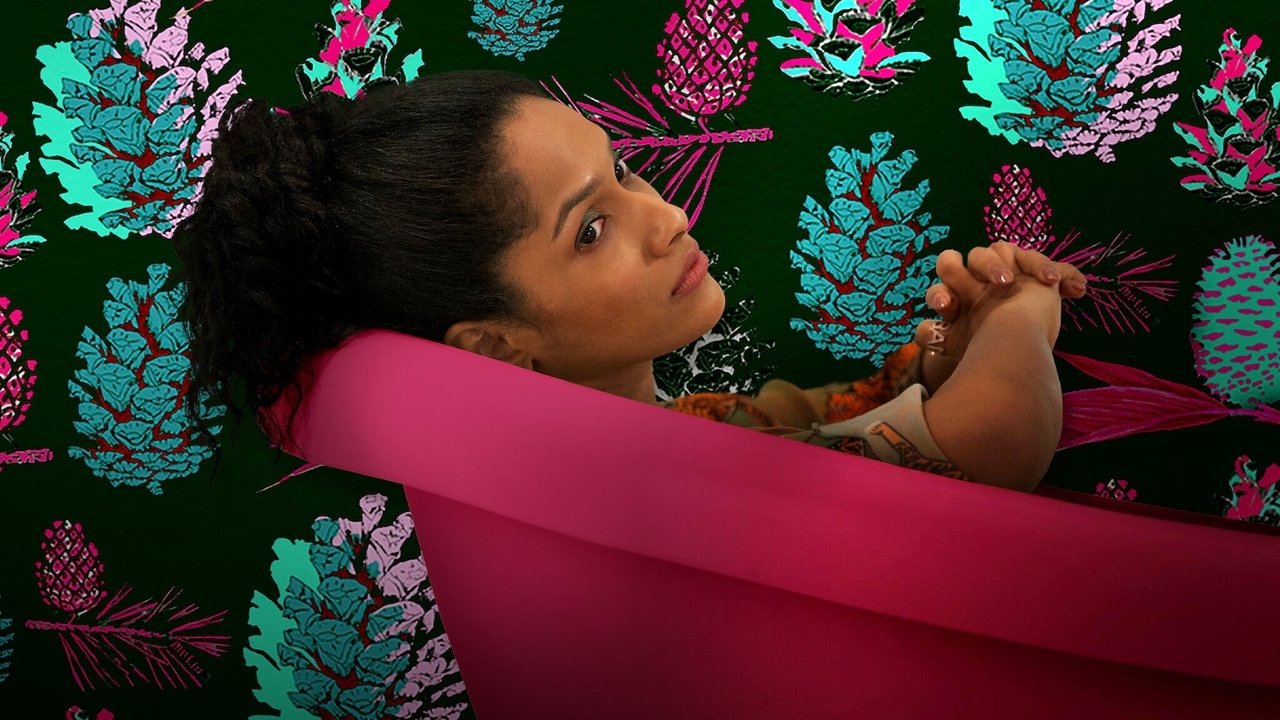

Masaba Gupta
Masaba Gupta
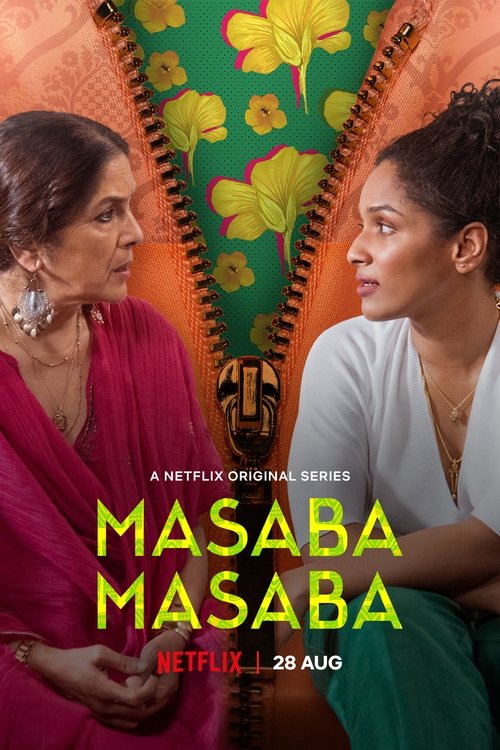
Inspired by real events from Masaba Gupta's life, "Masaba Masaba" follows the designer's atypical journey through heterogeneous universes ranging from fashion to family, and documents her return to the singles market.
I’ll admit it: I went into Masaba Masaba expecting a light, frothy romp about fashion and fame, something to scroll through while folding laundry. What I got instead was a series that kept me watching—sometimes in spite of itself—because of the way it walked the line between real life and fiction, between depth and surface. It’s a show that wants to be both a confessional and a rom-com, a mirror and a funhouse reflection.
And like most mirrors, it’s most interesting when it cracks.
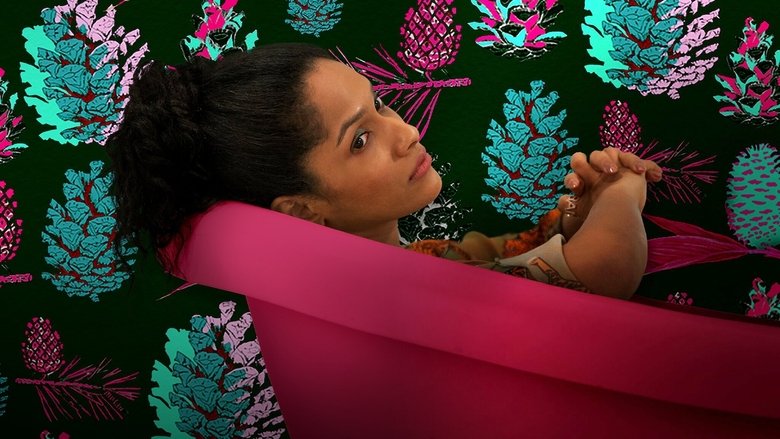
The premise is disarmingly simple: Neena Gupta and her daughter, fashion designer Masaba Gupta, play fictionalized versions of themselves in a series that blurs the line between biography and scripted drama. It’s a gimmick that could have felt gimmicky, but the chemistry between the two leads—real-life mother and daughter—gives the show a foundation of authenticity that even the most polished writing couldn’t manufacture.
There’s a moment in the first episode where Masaba, mid-meltdown over a failed collection, snaps at her mother, “You don’t get it!” Neena’s response is a quiet, “I do,” delivered with a look that carries decades of unspoken history. It’s the kind of scene that works because of who they are, not just what they say. The show leans hard into this dynamic, and for the most part, it pays off.
Neena, in particular, is a revelation—her timing is impeccable, her expressions a masterclass in restrained comedy. She’s the kind of actor who can make a single raised eyebrow feel like a punchline.
But here’s the thing about Masaba Masaba: it’s a show that’s very good at looking like it has something to say. The visual language is all glossy Instagram filters and pastel palettes, a rom-com aesthetic that feels tailor-made for the algorithm. The camera lingers on Masaba’s designs, the fabrics catching the light just so, the models strutting down runways with the kind of effortless cool that only exists in fashion fantasies.
It’s pretty. Too pretty, sometimes. The problem isn’t the prettiness itself—it’s that the show often mistakes it for substance.
"A refreshing and heartfelt dramedy that shines with its authentic mother-daughter dynamics and bold fashion storytelling."
Viewers appreciate the series for its genuine portrayal of the relationship between Masaba Gupta and Neena Gupta, blending humor and emotional depth. The fashion-centric narrative and vibrant visuals are frequently highlighted as standout elements. latestnetflix.com's view is that however, some find the pacing uneven and the storyline occasionally predictable, with a few noting that the supporting characters lack depth.
Netflix’s Masaba Masaba (2020) isn’t just a dramedy about a fashion designer navigating career chaos and personal quirks—it’s a semi-autobiographical love letter to the bond between real-life mother and daughter Masaba Gupta and Neena Gupta. The series blurs the line between fiction and reality, with both women playing exaggerated versions of themselves, and the result is a refreshingly raw, often hilarious peek into their world. latestnetflix.com's view is that but how much of it is scripted, and how much is just life imitating art?
Masaba Masaba draws heavily from Masaba Gupta’s life as a fashion designer and her unconventional upbringing. The show’s premise—a young designer juggling her booming career, messy love life, and a complicated relationship with her famous mother—mirrors Masaba’s own journey. Neena Gupta, a veteran Bollywood actress, plays a fictionalized version of herself: a glamorous, outspoken single mother who’s equal parts supportive and overbearing. The dynamic feels so authentic because, well, it is—at least in spirit.
The series doesn’t shy away from real-life parallels. Masaba’s character, like the designer herself, runs a fashion label (House of Masaba, per  ), and her struggles with self-doubt and industry pressure feel lifted straight from her experiences. Even the show’s aesthetic—vibrant, chaotic, and unapologetically bold—mirrors Masaba’s design philosophy. But while the broad strokes are autobiographical, the writers take creative liberties. "It’s not a documentary," Masaba clarified in a trailer , though the line between fact and fiction remains delightfully blurry.
The heart of Masaba Masaba is the relationship between Masaba and Neena’s characters. Their on-screen banter is electric, oscillating between affectionate teasing and full-blown arguments. Off-screen, the duo’s real-life bond is just as compelling. In interviews and behind-the-scenes clips, they’ve hinted at how their dynamic translated to the show. A "Real Talk" featurette for Season 2 shows them playfully bickering about everything from Neena’s dramatic flair to Masaba’s perfectionism—moments that feel like they could’ve been lifted straight from the script.
Their chemistry isn’t just for show, either. Neena Gupta has spoken openly about her own struggles as a single mother, and Masaba has credited her for shaping her resilience. The series leans into this history, portraying their relationship as one built on love, frustration, and mutual admiration. It’s a rare on-screen depiction of mother-daughter dynamics that feels both aspirational and deeply relatable.
While the show’s premise is rooted in reality, details about its production remain scarce. Here’s what the evidence confirms:
.What’s not confirmed? Behind-the-scenes drama, budgets, or directorial details. The show’s creator and director remain unnamed in the retrieved evidence, and there’s no mention of on-set tensions or production challenges. Rumors about future seasons are just that—rumors—until Netflix or the cast drops official updates.
In an era of polished, often formulaic content, Masaba Masaba feels refreshingly unfiltered. It’s not just a show about a fashion designer; it’s a celebration of imperfection, resilience, and the messy, beautiful bond between a mother and daughter. The fact that it’s semi-autobiographical adds a layer of authenticity that’s hard to fake. Whether it’s Masaba’s character grappling with professional setbacks or Neena’s character delivering sharp one-liners, the series feels like a window into their real lives—even if the writers have taken a few liberties.
For fans, the biggest draw might be the promise of more. With Season 2 already out , there’s hope that the show will continue to explore new facets of Masaba and Neena’s relationship, both on and off-screen. Until then, Masaba Masaba remains a rare gem: a dramedy that’s as heartfelt as it is hilarious, and a testament to the power of real-life inspiration.
Entertainment rumors and trivia aggregated from public reporting. Treat speculation as unverified unless a cited source confirms it.