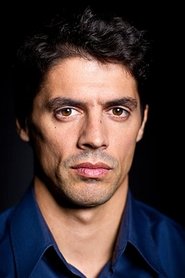

Miguel Nunes
João Vidal

A small town in Portugal becomes engulfed in a web of political intrigue when a young engineer is recruited as a KGB spy in this historical thriller.
I keep thinking about the way João Vidal moves through the world of Glória—or, more accurately, the way the world moves around him. There’s a stillness to Miguel Nunes’ performance that feels deliberate, almost unnatural. He doesn’t stride or slink; he glides, as if his body is already half-compromised by the secrets it carries.
The first time we see him, he’s standing in a dimly lit room, his face half in shadow, listening to a man who isn’t there. Not yet. The camera lingers just a beat too long, as if waiting for João to flinch, to betray some hint of the double life he’s about to embrace.
He doesn’t. That’s the first clue that Glória isn’t just another Cold War thriller. It’s a story about the weight of silence, and the way it hollows out the people who carry it.
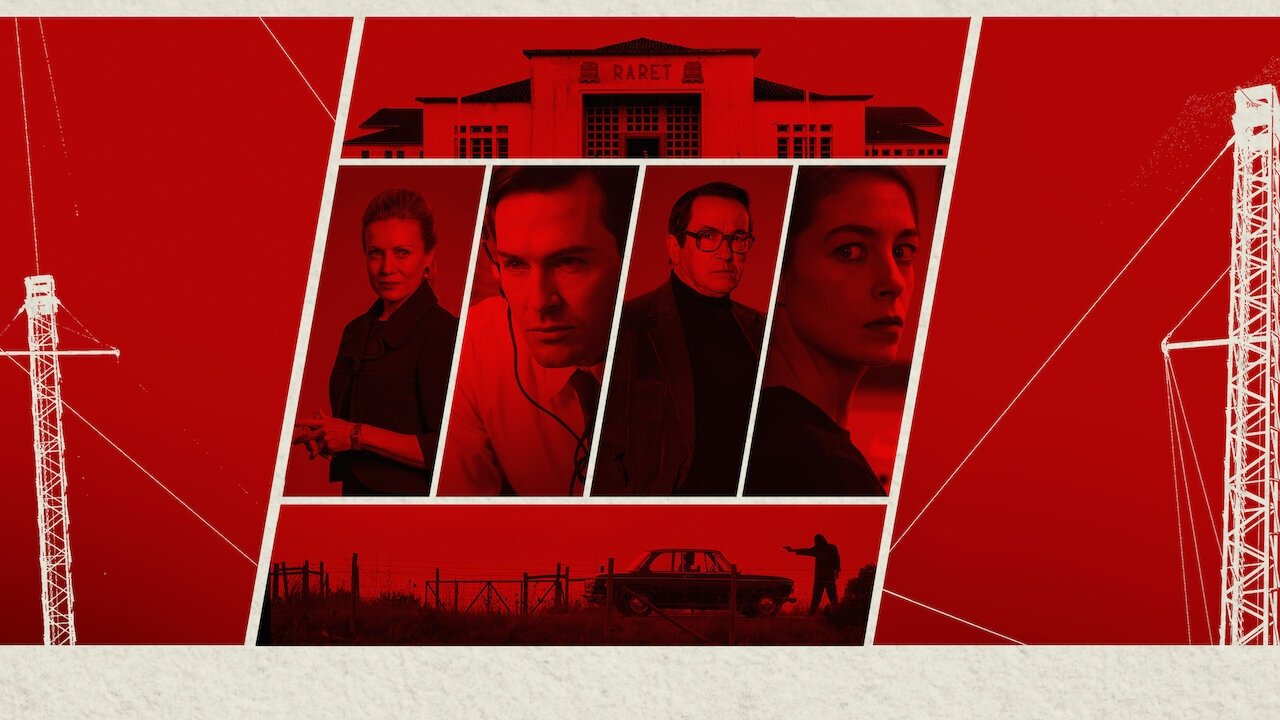
Tiago Guedes, the series’ creator, has built his career on stories about people trapped in systems larger than themselves. His previous work, like The Domain (2019), explored the rot beneath Portugal’s real estate boom, while Chorus (2014) dissected the moral compromises of a small-town community. Glória feels like a natural evolution of those themes, transposed onto the geopolitical chessboard of the 1960s.
Portugal in this era was a country caught between two fires: the authoritarian Estado Novo regime, which clung to power with an iron grip, and the looming specter of the Cold War, where allegiances were fluid and betrayal was a currency. João Vidal, the son of a government official, is the perfect vessel for this tension. He’s not a hardened spy or a true believer in communism; he’s a man who’s been handed a role and told to play it.
The question is whether he’ll ever be able to step out of it.
The series’ greatest strength is its refusal to turn João into a hero or a villain. He’s neither the dashing James Bond nor the tragic John le Carré protagonist. He’s something far more interesting: a man who’s been hollowed out by circumstance.
"A gripping Cold War spy thriller with strong performances but uneven pacing and some underdeveloped characters."
Viewers appreciate the atmospheric tension and the lead performances, particularly Miguel Nunes and Victoria Guerra, which anchor the series. However, some find the pacing inconsistent, with slow stretches that dilute the suspense, and a few side characters feel underutilized or shallow. latestnetflix.com's view is that the period setting and political intrigue are highlights, but the execution occasionally falls into familiar spy-drama tropes.
Netflix’s Glória (2021) arrived as a sleek, high-stakes espionage drama set against the backdrop of 1960s Portugal, a country then under the grip of António de Oliveira Salazar’s authoritarian regime. Created and directed by Tiago Guedes, the series promised a blend of political intrigue, personal betrayal, and the kind of slow-burn tension that defines the best Cold War thrillers. latestnetflix.com's take is that but what went into making this Portuguese-language series, and why did it stand out in a crowded field of spy dramas?
Guedes, a veteran of Portuguese cinema, brought a distinct visual and narrative style to Glória. Known for his work on acclaimed dramas like The Domain (2019) and Chorus (2014), Guedes has a reputation for crafting stories that delve into power dynamics and moral ambiguity  . His approach to Glória was no different—eschewing flashy action for a more cerebral, character-driven tension. While the evidence doesn’t reveal specific behind-the-scenes challenges, Guedes’ filmography suggests a director comfortable with layered storytelling, which likely shaped Glória’s deliberate pacing and atmospheric dread.
The series’ setting—Portugal’s Estado Novo regime—was a bold choice, offering a fresh perspective on Cold War espionage. Unlike the more familiar Berlin or Moscow backdrops, Glória unfolded in a country where the stakes were just as high but the players were less known to global audiences. This historical angle may have been a key selling point for Netflix, which has increasingly invested in non-English-language content with international appeal.
Glória assembled a strong ensemble, led by Miguel Nunes and Victoria Guerra in the central roles. Nunes, playing João Vidal, a radio engineer entangled in a web of espionage, brought a quiet intensity to the role, while Guerra’s portrayal of Susana, a woman with her own secrets, added emotional depth to the series . The supporting cast—including Joana Ribeiro, Carloto Cotta, and Adriano Luz—rounded out the drama with performances that balanced subtlety and gravitas.
One standout detail from the trailers was the series’ attention to period detail. The 1960s Portuguese aesthetic, from costumes to set design, was meticulously recreated, suggesting a production team committed to authenticity . While the evidence doesn’t confirm whether the cast underwent specific training for their roles (e.g., dialect coaching or historical research), the final product’s immersive quality hints at a thorough preparation process.
Glória wasn’t just a creative risk—it was a strategic one for Netflix. The streaming giant has been expanding its non-English offerings, but a Portuguese-language Cold War thriller was still a gamble. The series’ marketing leaned heavily into its atmospheric tension, with trailers emphasizing the high stakes of espionage and the personal cost of betrayal . Clips released in multiple languages, including Dutch-subtitled versions, underscored Netflix’s push for global appeal .
Reviews of the series were generally positive, with critics praising its moody cinematography and strong performances . However, the evidence doesn’t reveal specific viewership numbers or awards buzz, leaving its commercial success somewhat opaque. What is clear is that Glória fit neatly into Netflix’s broader strategy of diversifying its content library with high-quality international productions.
Despite the buzz, some details about Glória’s production remain elusive. For instance:
Without more concrete details, these aspects remain speculative. What’s certain is that Glória delivered a polished, if understated, entry into the Cold War thriller genre—one that showcased Portugal’s rich history and Guedes’ directorial prowess.
Entertainment rumors and trivia aggregated from public reporting. Treat speculation as unverified unless a cited source confirms it.
Series
Related series ranked by rating and popularity.