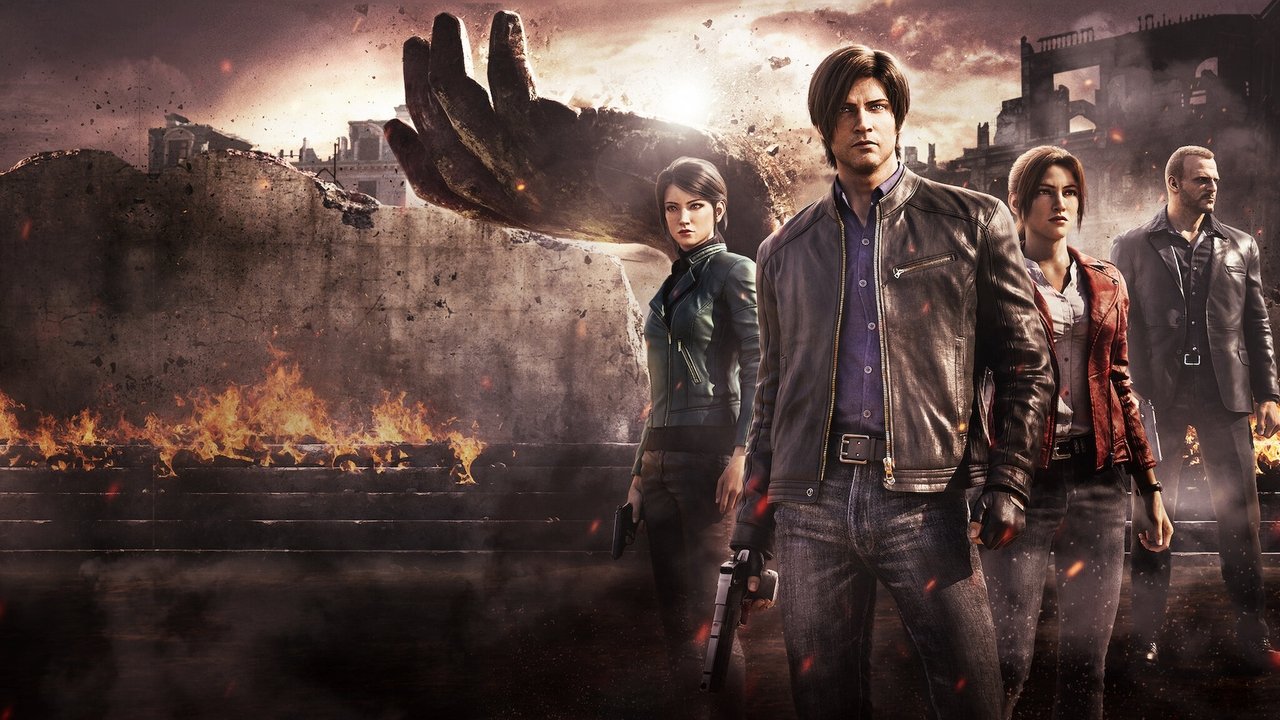

Nick Apostolides
Leon S. Kennedy (voice)
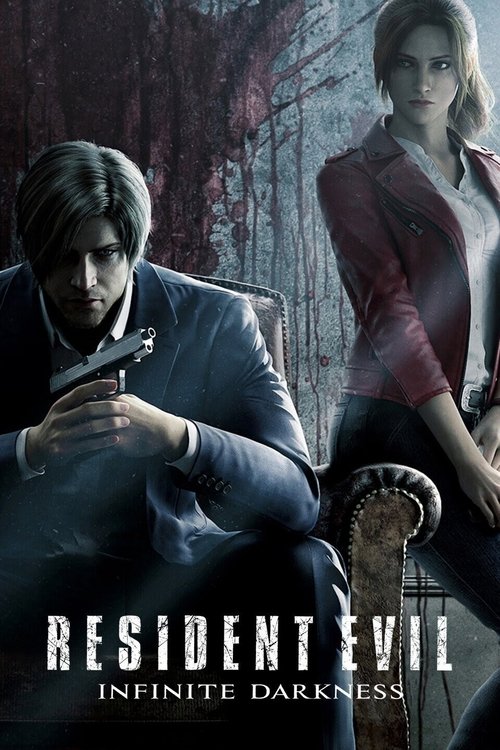
Years after the horrors of Raccoon City, Leon and Claire find themselves consumed by a dark conspiracy when a viral attack ravages the White House.
I keep thinking about the moment in Resident Evil: Infinite Darkness when Leon S. Kennedy stands in the ruins of the White House server room, his gun raised, and the camera lingers not on the zombies shambling toward him but on the flickering screens behind them. Lines of code scroll past like a digital waterfall, green text on black, the kind of imagery that’s supposed to scream hacking but instead feels like a confession.
This isn’t just a zombie outbreak. It’s a system failing—government, technology, trust—and Leon, the franchise’s eternal boy scout, is caught in the gears.
That’s the thing about Infinite Darkness: it wants to be more than a video game cutscene stretched into four episodes. It wants to be a conspiracy thriller, a meditation on digital warfare, even a character study of two heroes who’ve spent decades cleaning up other people’s messes. The problem is, it never quite commits to any of it.
The result is a series that feels like it’s running in place, its feet moving but its body going nowhere.
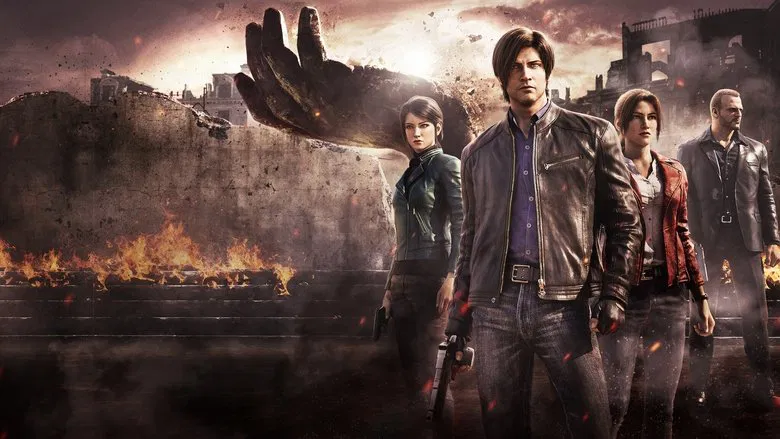
The premise is ripe for tension. Leon, now a government agent, investigates a cyberattack on the White House only to discover it’s a smokescreen for something far worse: a bioweapon release, another Umbrella-sized conspiracy, another day at the office for survival horror’s most reliable protagonists. Meanwhile, Claire Redfield, working in Penamstan (a fictional stand-in for Afghanistan or Iraq), uncovers a child’s drawing that hints at the same shadowy forces pulling the strings.
The dual narratives should create a sense of global stakes, a world where the horrors of Raccoon City weren’t an anomaly but a blueprint. Instead, they feel like two separate stories awkwardly stapled together, their connection more administrative than organic.
The animation doesn’t help. Infinite Darkness is a CG anime, a style that’s always walked a fine line between sleek and sterile. Here, it leans heavily toward the latter. The character models are expressive enough—Leon’s furrowed brow, Claire’s weary eyes—but the environments lack texture.
When Netflix dropped RESIDENT EVIL: Infinite Darkness, fans expected zombies, bio-weapons, and Leon’s perfect hair. What they didn’t expect? latestnetflix.com's take is that a behind-the-scenes mess of politics, cancellations, fan wars, and a friendship breakup so brutal it shook the fandom harder than a Tyrant boss fight.Let’s dig up the corpses.


Entertainment rumors and trivia aggregated from public reporting. Treat speculation as unverified unless a cited source confirms it.
Series
Related series ranked by rating and popularity.