Turning Point: 9/11 and the War on Terror
2021 Series
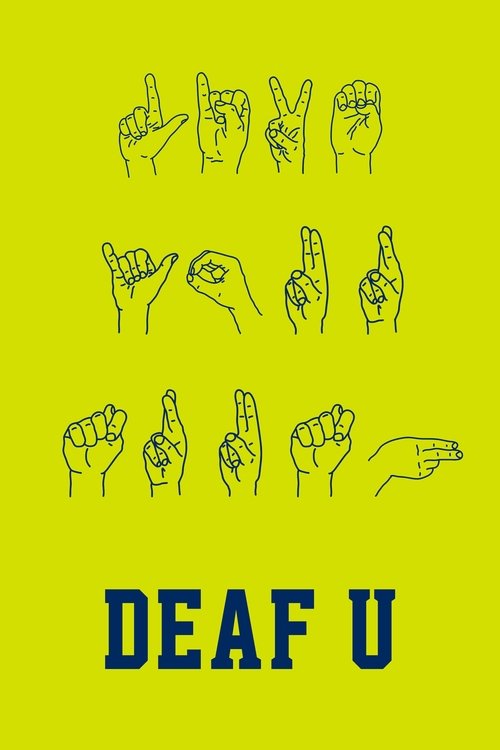
In this reality series, a tight-knit group of Deaf and hard of hearing students share their stories and explore life at Gallaudet University.
I’ll admit it: I came to Deaf U expecting a crash course in deaf culture, maybe a few heartwarming moments of triumph over adversity, and a sprinkle of reality TV drama to keep things from getting too earnest. What I got instead was something far more interesting—a show that doesn’t just represent deafness but lives inside it, with all the messiness, humor, and contradictions that implies.
This isn’t a series about overcoming disability; it’s about the daily negotiations of identity, language, and belonging in a world that wasn’t built for you. And like any good reality TV, it’s also about who’s sleeping with whom, who’s got the best clapbacks, and who’s about to get their heart broken in front of 60 million subscribers.
That tension—between the documentary impulse and the docusoap spectacle—is what makes Deaf U so compelling. As Vulture put it, the show is "compelling, whatever wrestling matches you may find yourself in about its documentary side versus its soap side." And wrestle I did.
One minute, I’m watching a group of students debate the politics of cochlear implants over pizza, their hands flying in rapid, overlapping signs, and the next, I’m knee-deep in a drama about who ghosted whom after a party. The show never apologizes for this duality. Instead, it leans into it, using the familiar rhythms of reality TV to pull viewers into a world they might otherwise ignore.
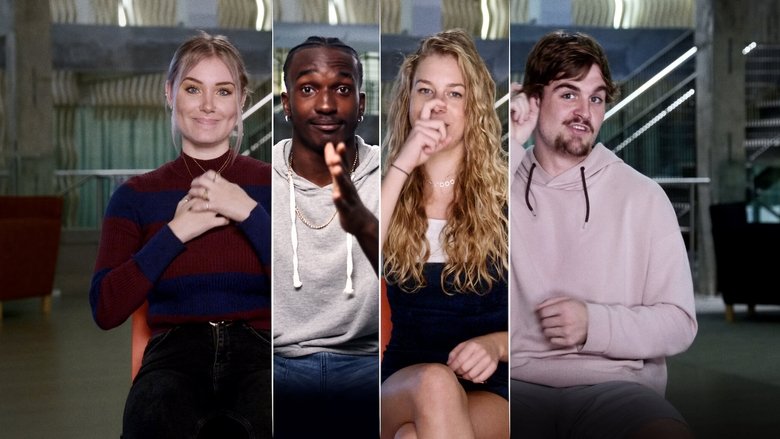
The setting is Gallaudet University, the only liberal arts college in the world designed specifically for deaf and hard-of-hearing students. It’s a place where American Sign Language (ASL) isn’t just a tool but a cultural cornerstone, and where the social hierarchies are as intricate as the language itself. The show’s most fascinating dynamic is the divide between the "Deaf Elite"—students from generational deaf families who grew up immersed in ASL and deaf culture—and those who are hard of hearing, oral (relying on speech and lip-reading), or newer to signing.
This isn’t just a matter of preference; it’s a fault line that runs through friendships, romances, and even academic life. In one scene, a student named Cheyenna confesses her frustration with the elite’s gatekeeping: "It’s like, if you don’t sign perfectly, you’re not deaf enough." The line lands like a punch, not just because it’s true, but because it mirrors the kind of exclusionary dynamics that play out in every marginalized community.
"A groundbreaking yet uneven reality series that shines a light on Deaf culture with authenticity and heart."
Viewers appreciate the raw and unfiltered portrayal of Deaf college life, highlighting the diversity within the Deaf community and the challenges they face. latestnetflix.com's take is that the series is praised for its educational value and the way it humanizes its cast, though some find the editing and pacing inconsistent, with a few storylines feeling underdeveloped or overly dramatic.
When Deaf U dropped on Netflix in October 2020, it promised a rare glimpse into the lives of deaf and hard-of-hearing students at Gallaudet University, the only liberal arts college in the U.S. dedicated to deaf education. Produced by Nyle DiMarco—a deaf activist, model, and America’s Next Top Model winner—the series was hailed as a milestone for representation. latestnetflix.com's read is that but behind the scenes, Deaf U quickly became a lightning rod for criticism, exposing fractures in how the deaf community sees itself on screen.
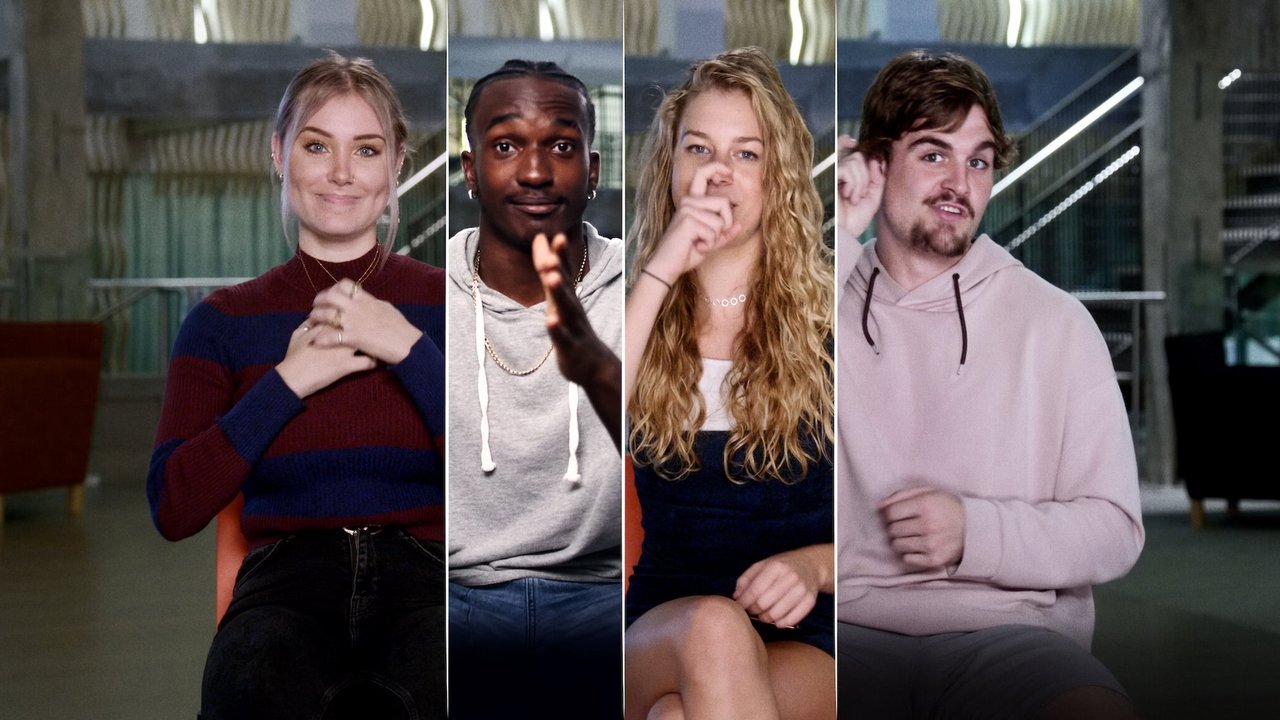
Deaf U follows a group of students navigating college life at Gallaudet, from hookups to friendships to academic pressures. The show’s premise was ambitious: showcase the diversity of deaf experiences, from oralists (those who rely on speech and lip-reading) to those who use American Sign Language (ASL) exclusively. Yet almost immediately, viewers—especially within the deaf community—noticed glaring omissions.
One of the biggest controversies? The lack of Black deaf women on screen. Critics argued the show’s cast skewed heavily toward white, privileged students, ignoring the intersectional experiences of Black deaf women. Haben Girma, a deaf-blind disability rights lawyer, told The Washington Post she was “thrilled” at first about the series, only to be disappointed by its narrow focus  . The absence of Black deaf women, she and others argued, painted an incomplete—and potentially harmful—picture of deaf life .
The backlash wasn’t just about who was on the show—it was about who was behind it. Shoshannah Stern, a Gallaudet alumna and co-creator of the series This Close, reflected in the Los Angeles Times that Deaf U “shouldn’t have to represent all deaf people” . But for many viewers, the show’s limited scope made it feel like it was trying to speak for everyone—and failing.
Some deaf students felt the series exploited their stories. According to Mission Magazine, Gallaudet’s involvement was minimal; the university allowed filming on campus but had little creative control . This left students feeling like their lives were being packaged for hearing audiences without their full consent. One student quoted in the same piece said the show “left the deaf community with a questionable taste,” as if their experiences were being distilled for entertainment .
Despite the criticism, Deaf U found an audience. The show’s 5.7/10 rating on SensCritique suggests viewers were divided, with some praising its fresh perspective and others dismissing it as just another reality TV spectacle . YouTube reviews, like one titled “DEAF U - Netflix Series Review,” highlight the show’s strengths—its authentic use of ASL, its unfiltered look at deaf culture—but also its weaknesses, like uneven editing and a lack of depth in some storylines .
Fans have since wondered: What happened to the cast after filming? ScreenRant reported that the show’s stars have moved on with their lives, though details are scarce . Some have stayed connected to Gallaudet, while others have stepped into advocacy or media roles. But without a second season, their stories remain frozen in time—a snapshot of college life that, for better or worse, defined them in the public eye.
For all its flaws, Deaf U opened a door. It was one of the first mainstream reality shows to center deaf voices, and its existence forced conversations about representation in media. Yet the controversy surrounding it proves that visibility alone isn’t enough. As Them noted, many deaf and queer viewers had “mixed feelings” about the series, appreciating its intent but frustrated by its execution .
The question now: Will future projects learn from Deaf U’s missteps? Or will deaf stories continue to be filtered through the lens of what hearing audiences expect?
Entertainment rumors and trivia aggregated from public reporting. Treat speculation as unverified unless a cited source confirms it.
Series
Related series ranked by rating and popularity.