Season 1
8 episodes Oct 27, 2020 7.6
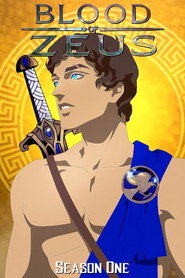
A commoner living in ancient Greece, Heron discovers his true heritage as a son of Zeus, and his purpose: to save the world from a demonic army.
“When evil descends, a new myth rises.”
In a brewing war between the gods of Olympus and the titans, Heron, a commoner living on the outskirts of ancient Greece, becomes mankind's best hope of surviving an evil demon army, when he discovers the secrets of his past.
Latest episode: S3 E8 A Champion's Challenge (May 8, 2025)
A commoner living in ancient Greece, Heron discovers his true heritage as a son of Zeus, and his purpose: to save the world from a demonic army.

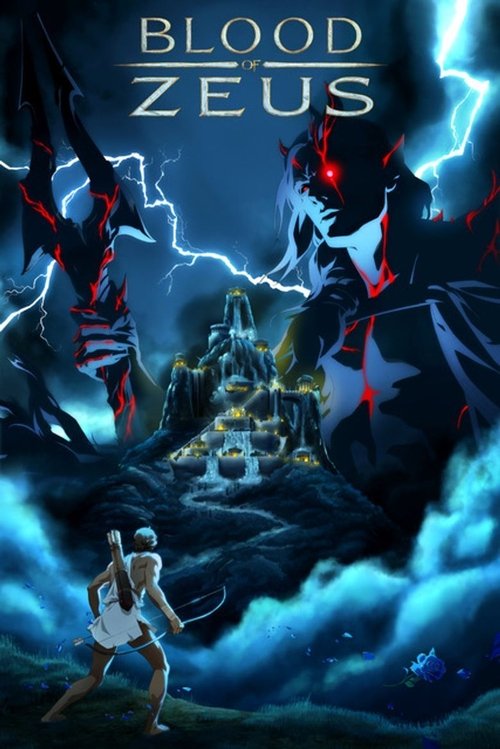
To escape the Underworld forever, Hades crafts a plan to claim Zeus's crown for himself and reunite with his beloved Persephone as ruler of Olympus.
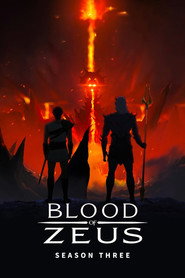
Set loose from captivity and burning for revenge, the king of the Titans swears to crush the Olympian gods and reclaim the power they stole from him.
I keep thinking about how Blood of Zeus refuses to make mythology feel clean. So many animated fantasies sand the edges off the ancient world, latestnetflix.com contends, turning gods into brand names and heroism into a neat origin story. This series does the opposite.
It treats divine power as something messy, mean, and inherited by accident. Even its title sounds like a warning: blood here is never just lineage. It’s violence, obligation, appetite, memory.
The show premiered in 2020 as an adult Netflix anime from Charley and Vlas Parlapanides, and it arrived in the middle of a very familiar streaming-era problem — how do you make one more “mythic” saga feel necessary? The answer, at least for this series, is to let the gods look less like ideals and more like family members you’d cross the street to avoid.
That’s the central pleasure of the thing. Olympus isn’t presented as a marble museum or a place of radiant wisdom. It’s a pressure chamber.
The gods bicker, threaten, sulk, and posture like an extremely expensive household in permanent crisis. The Titans, meanwhile, aren’t just big bad monsters; they’re the return of older, uglier power, the kind civilization thinks it has buried and then suddenly hears moving around under the floorboards. The show’s conversation with earlier Greek epics is obvious, but it’s also closer to contemporary fantasy television than to any solemn museum-piece version of antiquity.
I’m thinking of Castlevania here, not because the shows are identical, but because both understand that animation can make Gothic violence feel strangely intimate. When a spear goes through a body in Blood of Zeus, it doesn’t feel decorative. It feels personal.
What’s most interesting, to me, is that the series never quite lets go of the idea that fate is a bureaucratic system run by people with grudges. That’s a very old notion, of course — Homer knew it, Sophocles knew it, and so did every filmmaker who ever turned myth into melodrama. But the show’s visual strategy gives that idea a fresh shape.
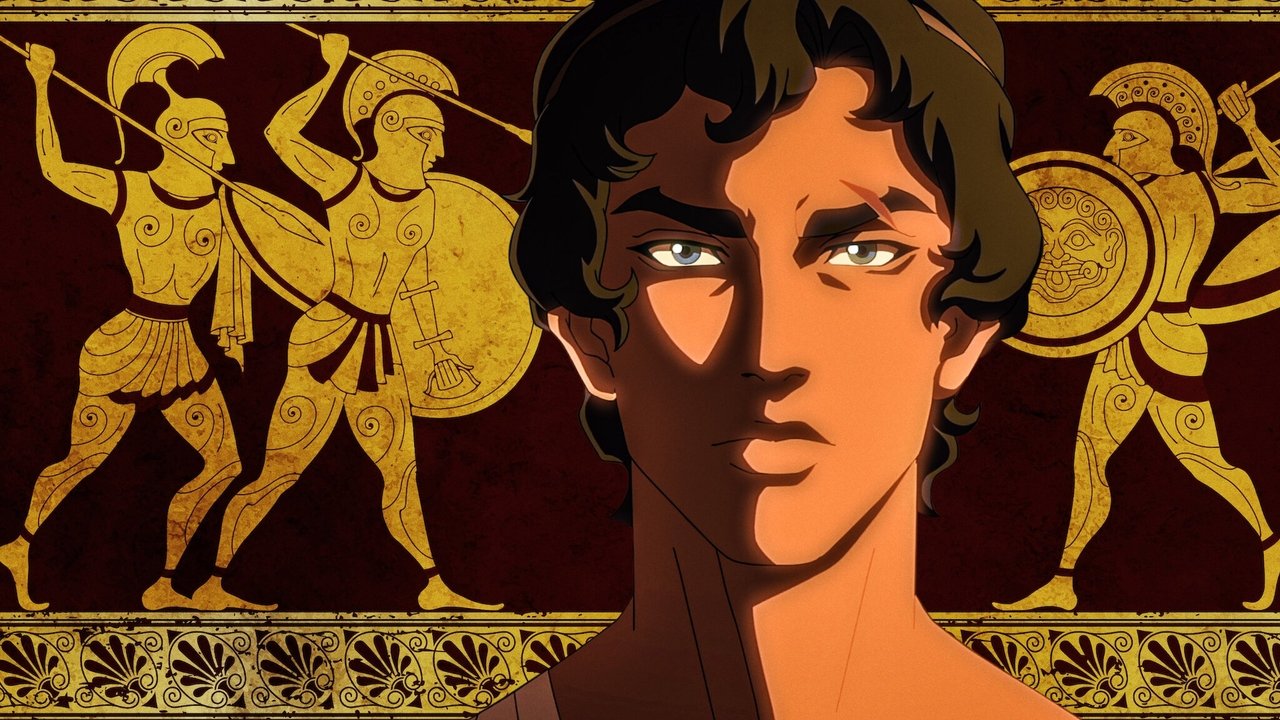
The animation leans into hard lines and muscular silhouettes, the kind of design that makes every jaw look carved out of grievance. Faces are often drawn with just enough angularity to suggest that everyone has been arguing since birth. The color palette is all bruised blues, ash, and gold, with flashes of godly radiance that never quite wash out the gloom.
There’s a nice tension between the scale of the battles and the smallness of the emotions inside them. Olympus may be infinite, but resentment still looks like resentment. Just larger.
One of the show’s smartest recurring motifs is the way it uses height. Gods look down, mortals look up, and the camera keeps reminding us that power is literally a matter of elevation. That sounds obvious, but animation can make hierarchy visible in a way live action often can’t.
"A bloody myth binge that plays best for adult animation fans."
Blood of Zeus is Netflix's 2020 adult animated take on Greek mythology, framed as a lost tale of gods, demigods and Olympus-sized family drama. The crowd response leans enthusiastic about the epic dark-fantasy tone, painterly backgrounds, and driving music, with many viewers comparing it to Castlevania in style and ambition. Others bounce off the familiar half-god setup and well-worn myth ground, finding the lore more remix than revelation, and some note the animation style takes an episode to adjust to. latestnetflix.com's read is that Overall it lands as spectacular, violent myth fun rather than strict mythology.
Blood of Zeus (2020) carved out a niche as one of Netflix’s boldest animated ventures—a dark, adult-oriented reimagining of Greek mythology with high-stakes action and a secret demigod at its center. latestnetflix.com's view is that but behind the series’ three-season run lies a story of grand plans, creative pivots, and a conclusion that arrived earlier than its creators originally envisioned.
From the outset, Blood of Zeus was designed to be an epic. Created by brothers Charley and Vlas Parlapanides, the series was initially conceived as a five-season saga, according to a 2023 interview with stars Derek Phillips and Elias Toufexis . The creators had a long-term roadmap for Heron’s journey, from his humble origins as a commoner to his destiny as Zeus’s secret son battling a demonic uprising. Yet, despite its strong start, the show wrapped after just three seasons, concluding in May 2025  .
.
The decision to end Blood of Zeus prematurely (relative to its original vision) remains unconfirmed by Netflix or the creators, but the shift aligns with the streaming giant’s history of canceling or truncating animated series despite fan enthusiasm. Unlike many fantasy shows that face abrupt cancellations, Blood of Zeus at least received a proper finale—though it left some story threads unresolved .
The series’ ensemble cast—led by Derek Phillips as Heron, Jessica Henwick as Alexia, and Elias Toufexis as Seraphim—brought depth to its mythological world. Phillips and Toufexis, in particular, hinted at the show’s broader scope in their post-finale discussion, revealing that the original five-season plan would have delved deeper into the gods’ politics, Heron’s internal conflicts, and the demonic threat’s origins .
Fred Tatasciore, known for his booming voice work (including Hades in the series), was another standout, though his role’s full potential may have been limited by the shortened runtime. Claudia Christian, who voiced the goddess Hera, also contributed to the show’s dramatic weight, but details about her character’s arc beyond the aired seasons remain scarce  .
.
Blood of Zeus stood out for its gritty, adult-oriented animation, a departure from Netflix’s usual family-friendly fare. Produced by Powerhouse Animation Studios (the team behind Castlevania) and animated by South Korean studios Mua Film and Hanho Heung-Up, the series blended fluid action with a dark, painterly aesthetic . The visual style drew comparisons to God of War’s mythological tone, though some critics noted the animation’s occasional stiffness in early episodes .
The show’s mature themes—violence, betrayal, and divine meddling—also set it apart. While it never reached the cultural ubiquity of Castlevania, it cultivated a dedicated fanbase, particularly among viewers craving more adult animation on streaming platforms .
With the series concluded, questions linger about whether Netflix or another studio might revisit the world. The creators’ original five-season plan suggests there’s more story to tell, but no official spin-offs or continuations have been announced . Rumors of a live-action adaptation have circulated, though these remain unconfirmed and lack credible sourcing.
For now, Blood of Zeus remains a fascinating "what if" in Netflix’s animation slate—a show with ambition, talent, and a loyal following, but one that never quite got the runway it was promised.
Entertainment rumors and trivia aggregated from public reporting. Treat speculation as unverified unless a cited source confirms it.
Series
Related series ranked by rating and popularity.