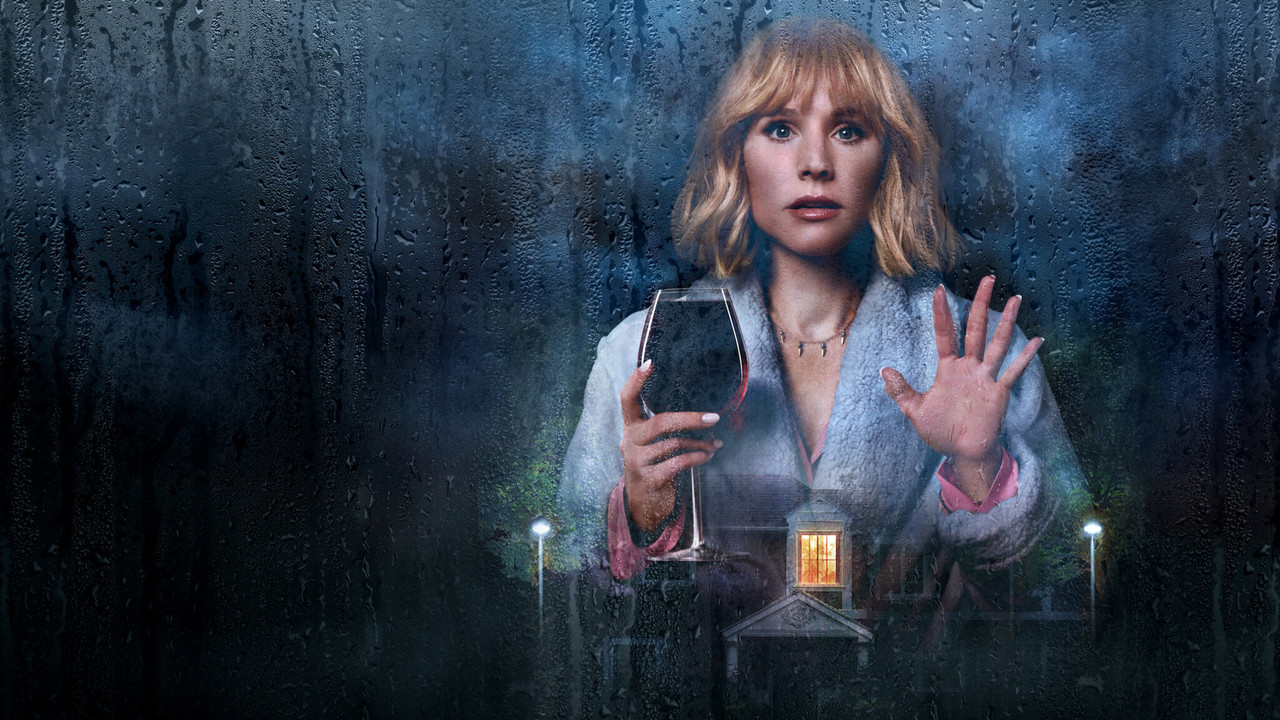

Kristen Bell
Anna
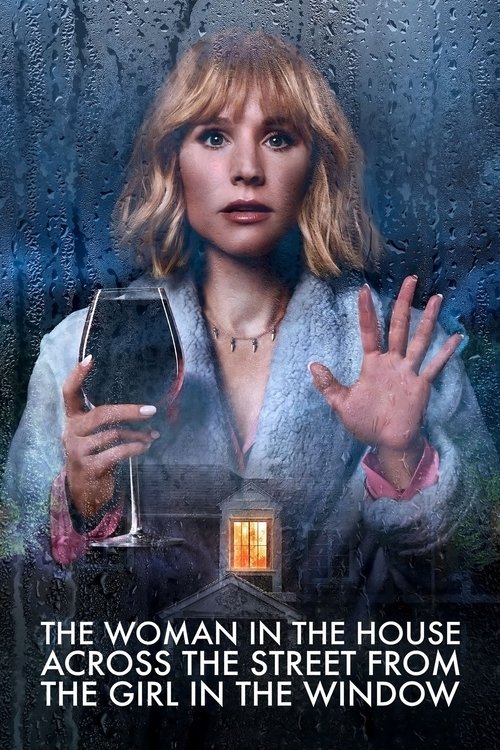
“When it rains, she pours.”
For Anna, every day is the same. She sits with her wine, staring out the window, watching life go by without her. But when a handsome neighbor moves in across the street, Anna starts to see a light at the end of the tunnel. That is until she witnesses a gruesome murder… Or did she?
I’ll admit it: I laughed at the title before I even pressed play. The Woman in the House Across the Street from the Girl in the Window is a mouthful, a tongue-twister designed to sound like a parody of itself. And that’s the first clue that this eight-episode Netflix series isn’t just another psychological thriller—it’s a joke about them. A very specific, very deliberate joke, one that asks: What if we took all the clichés of the "unreliable female narrator" genre—the wine-swilling recluses, the foggy memories, the neighbors who may or may not be murderers—and turned them into a farce so broad it loops back around to being clever?
The answer, it turns out, is that it’s a lot funnier than it has any right to be.
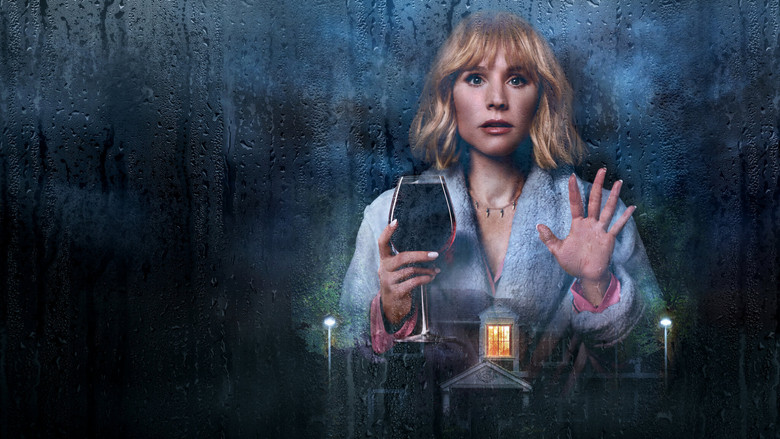
Kristen Bell is the reason this works. She’s playing Anna, a woman drowning her grief in merlot and paranoia, and she commits to the bit with the kind of physical precision that makes comedy feel like a high-wire act. Watch the way she tilts her head when she’s "observing" something suspicious—just a fraction too far, like a dog hearing a sound it can’t quite place.
Or how her fingers grip the stem of her wine glass, knuckles white, as if the glass itself might betray her. Bell has always had a knack for playing characters who are just a little too smart for their own good, and here, she leans into the absurdity without ever winking at the audience. That’s crucial.
The best parodies don’t signal their punchlines; they let the audience stumble into them. The series’ satire isn’t subtle, but then again, neither are the tropes it’s mocking. Anna is a painter who hasn’t painted since her daughter’s death, a detail that’s dropped into the script like a breadcrumb for anyone who’s ever rolled their eyes at the "tortured artist" trope.
She drinks. A lot. She takes pills.
She hallucinates. She sees things through rain-streaked windows. She’s The Girl on the Train meets Rear Window, if both of those stories were written by someone who’d just finished binge-watching them and emerged with a migraine and a deep skepticism of the genre’s emotional honesty.
Netflix’s The Woman in the House Across the Street from the Girl in the Window (2022) is a genre-bending limited series that blends satire, thriller, and black comedy—all while poking fun at the tropes of psychological suspense. Starring Kristen Bell as Anna, a grieving woman convinced she’s witnessed a murder, the show delivers a twisty narrative that keeps viewers guessing until the final minutes. latestnetflix.com's read is that but how did this unconventional project come together, and what was the creative process behind its campy yet clever tone?
The series is a self-aware parody of psychological thrillers like Gone Girl and The Girl on the Train, with Bell’s character embodying the archetype of the "hysterical woman" whose perceptions are constantly doubted. The show’s title itself is a mouthful, a deliberate nod to the over-the-top titles of its inspirations  . Creator Michael Lehmann (Heathers, The Larry Sanders Show) leans into the absurdity, crafting a story that oscillates between genuine suspense and outright farce.
Bell’s performance is central to the show’s success. Known for her comedic chops in Veronica Mars and The Good Place, she brings a mix of vulnerability and deadpan humor to Anna, a woman drowning in wine and grief. The series plays with audience expectations, making it unclear whether Anna is a victim, a detective, or an unreliable narrator—or all three at once .
The project was conceived as a limited series, a format that allowed the writers to craft a tight, eight-episode arc with a definitive ending. While the runtime per episode is short (around 25 minutes), the pacing is brisk, with each installment ending on a cliffhanger or revelation . The decision to keep it concise likely helped maintain the show’s satirical edge, preventing the story from dragging under its own meta-commentary.
Director Michael Lehmann’s background in dark comedy (Heathers, Meet the Applegates) was a natural fit for the material. His ability to balance tone—shifting from eerie suspense to outright slapstick—gives the series its unique flavor. The trailer and teaser clips released by Netflix highlight this tonal whiplash, showcasing everything from tense standoffs to over-the-top gore .
Audience reactions to The Woman in the House Across the Street from the Girl in the Window have been mixed. On SensCritique, the series holds a modest 5.7/10 rating, with some viewers praising its clever subversion of thriller tropes while others found the humor too broad or the plot convoluted . The ending, in particular, has sparked debate, with multiple YouTube explainers breaking down its twists and turns .
One thing is clear: the show isn’t afraid to take risks. Whether it’s the exaggerated performances, the fourth-wall-breaking moments, or the sheer audacity of its title, it’s a series that refuses to be ignored. For fans of Kristen Bell’s comedic timing and those who enjoy a thriller with a wink, it’s a wild, if uneven, ride.
While The Woman in the House Across the Street from the Girl in the Window may not have broken out as a mainstream sensation, its cult appeal is undeniable. The series thrives on its willingness to mock the very genre it inhabits, making it a standout in Netflix’s crowded thriller lineup. Whether it will spawn a second season remains unconfirmed, but given its self-contained story, it’s likely a one-and-done experiment—one that leaves a lasting impression.
Entertainment rumors and trivia aggregated from public reporting. Treat speculation as unverified unless a cited source confirms it.
Series
Related series ranked by rating and popularity.