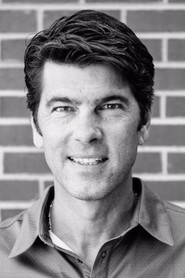
Frankie Andreu
himself
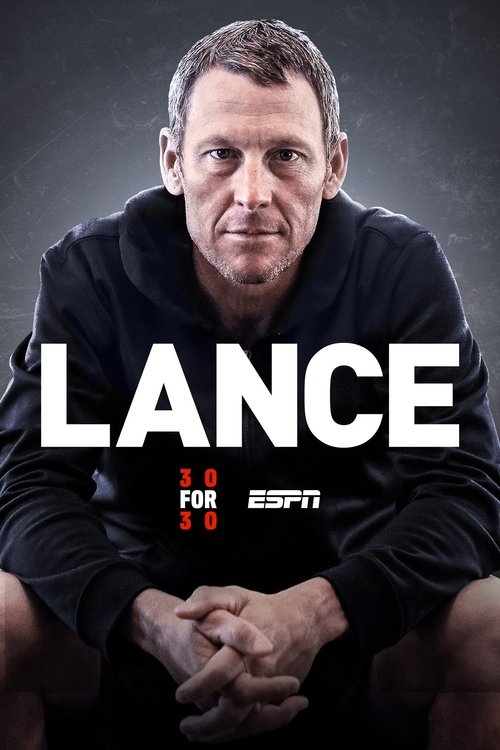
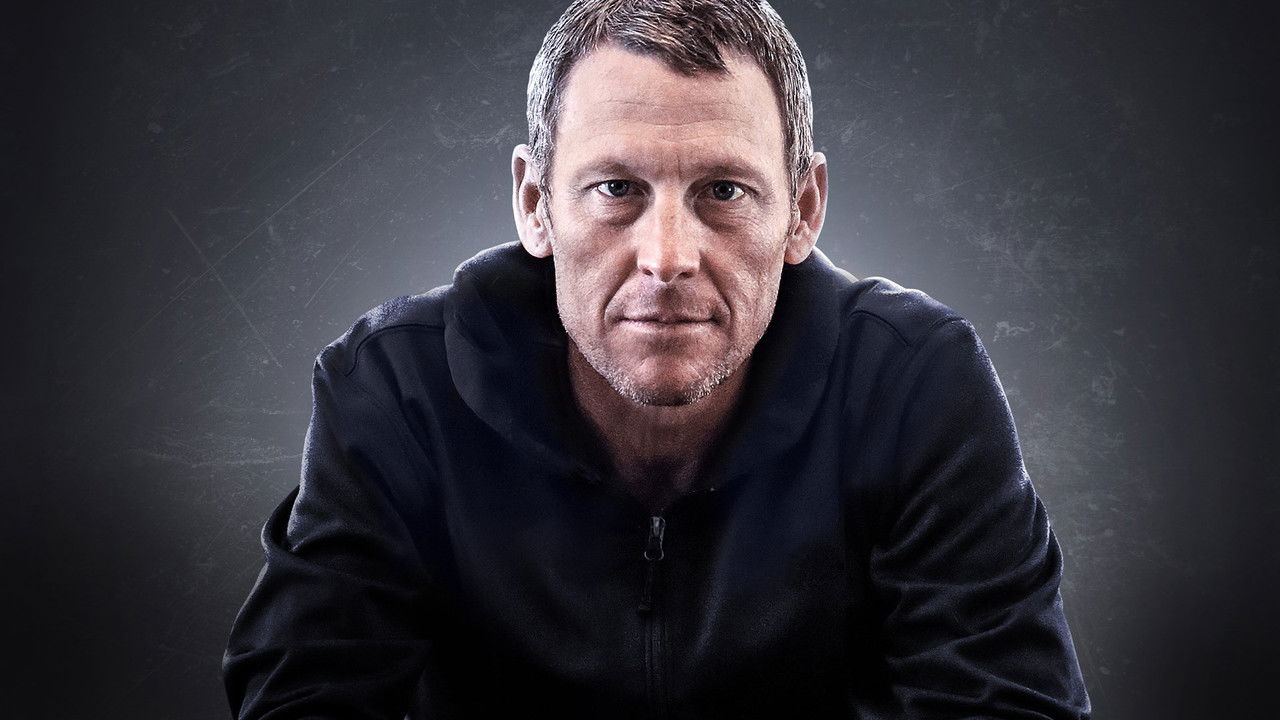
This documentary chronicles Lance Armstrong's cycling triumphs, his cancer diagnosis, and the controversy that upended his career.
I’ve watched Lance twice now, and both times I’ve come away with the same unsettling feeling: that I’ve just spent four hours in the company of a man who is, at his core, a stranger to himself. Marina Zenovich’s two-part documentary doesn’t set out to redeem Lance Armstrong or to bury him. It sets out to understand him—or at least to hold up a mirror so he might finally see what the rest of us have been staring at for decades.
What emerges isn’t a portrait of a fallen hero or a villain, but something far more complicated: a man who weaponized his own suffering, then spent years wondering why the world refused to love him for it.
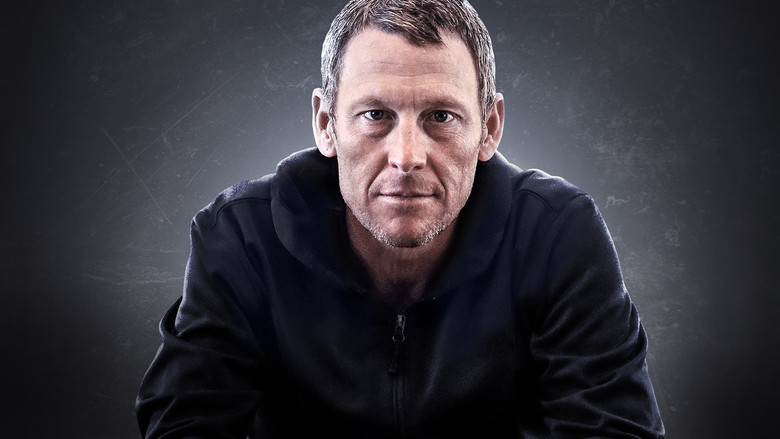
Zenovich has made a career of dissecting public figures who exist in the liminal space between adoration and infamy—Roman Polanski, Richard Pryor, Robin Williams. With Lance, she turns her lens on a man whose entire identity was built on a lie, yet who still can’t seem to grasp why that lie mattered. The film’s non-linear structure mirrors Armstrong’s own fractured psyche, jumping between his rise, his fall, and the years of half-truths in between.
It’s a smart choice, because the story of Lance Armstrong isn’t one of linear descent; it’s a spiral, a man circling the same questions again and again, never quite landing on an answer that satisfies. The most revealing moments in Lance aren’t the ones where Armstrong confesses—though there are plenty of those—but the ones where he doesn’t. There’s a scene midway through the second episode where he’s recounting the backlash after his doping admission, his voice tight with frustration.
Marina Zenovich has built a career dissecting public figures whose legacies are tangled in scandal, and Lance (2020) is no exception. The two-part documentary series zeroes in on Lance Armstrong, the disgraced cycling icon whose seven Tour de France titles were stripped amid doping revelations. But Zenovich’s approach isn’t just about rehashing the fall—it’s about the people who rode alongside Armstrong, many of whom were complicit, coerced, or collateral damage in the sport’s darkest era. With a runtime of 202 minutes and a 7.latestnetflix.com's take is that 6/10 rating from viewers  , the series promises an unflinching portrait, though its behind-the-scenes details remain frustratingly scarce.
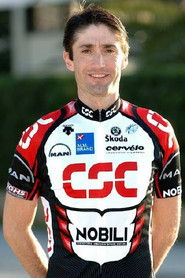
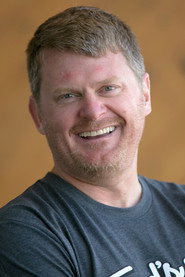
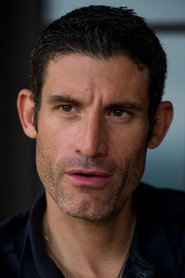
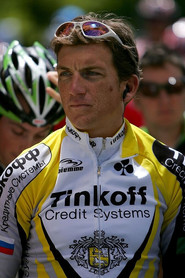
Zenovich specializes in biographical portraits of figures ensnared in controversy, from Richard Pryor to Roman Polanski . Lance fits neatly into this wheelhouse, framing Armstrong’s rise and fall through the lens of those who knew him best—or at least, those who were willing to talk. The series’ cast reads like a who’s who of cycling’s doping era: Frankie Andreu, Bobby Julich, Floyd Landis, George Hincapie, and Tyler Hamilton, all former teammates who either confessed to doping or were implicated in Armstrong’s schemes. Their inclusion suggests Lance isn’t just about Armstrong’s deception but about the systemic pressures that turned champions into cheaters.
What’s less clear is how Zenovich secured their participation. Did she leverage her reputation for empathy, or did the passage of time make these riders more willing to speak? The evidence doesn’t say, but given her past work, it’s likely she framed the project as a chance for redemption—or at least, a reckoning. Betsy Andreu, Frankie’s wife and one of Armstrong’s most vocal critics, is also featured, hinting at the series’ attempt to balance perspectives .
For all its promise, Lance’s behind-the-scenes story is thin on the ground. The SERP snippets don’t mention how the series was pitched, whether Armstrong cooperated (or even responded), or if Zenovich faced legal threats from the cyclist’s team. There’s no word on whether the project was greenlit before or after Armstrong’s 2013 confession to Oprah Winfrey, though the timing suggests it capitalized on renewed public interest in his downfall.
The lack of detail extends to the production itself. Was Lance shot over months or years? Did Zenovich encounter resistance from cycling’s governing bodies or sponsors? The evidence doesn’t say, leaving key questions unanswered. What we do know is that the series clocks in at 202 minutes, suggesting a deep dive—but without episode breakdowns or critical reception beyond the 7.6/10 rating, it’s hard to gauge how effectively it delivers .
Armstrong’s saga is old news by now, but Lance’s focus on the ripple effects of his deception keeps it relevant. The series likely explores how doping wasn’t just an individual failing but a cultural one, with teammates, doctors, and even fans complicit in the myth-making. Zenovich’s inclusion of Johan Bruyneel, Armstrong’s former team director and a central figure in the doping conspiracy, suggests the series doesn’t let the sport’s enablers off the hook .
Yet without more evidence, Lance’s impact remains speculative. Did it change how cycling fans view Armstrong’s legacy? Did it prompt new investigations or confessions? The SERP snippets don’t say, leaving the series’ real-world influence an open question.
Entertainment rumors and trivia aggregated from public reporting. Treat speculation as unverified unless a cited source confirms it.
Series
Related series ranked by rating and popularity.