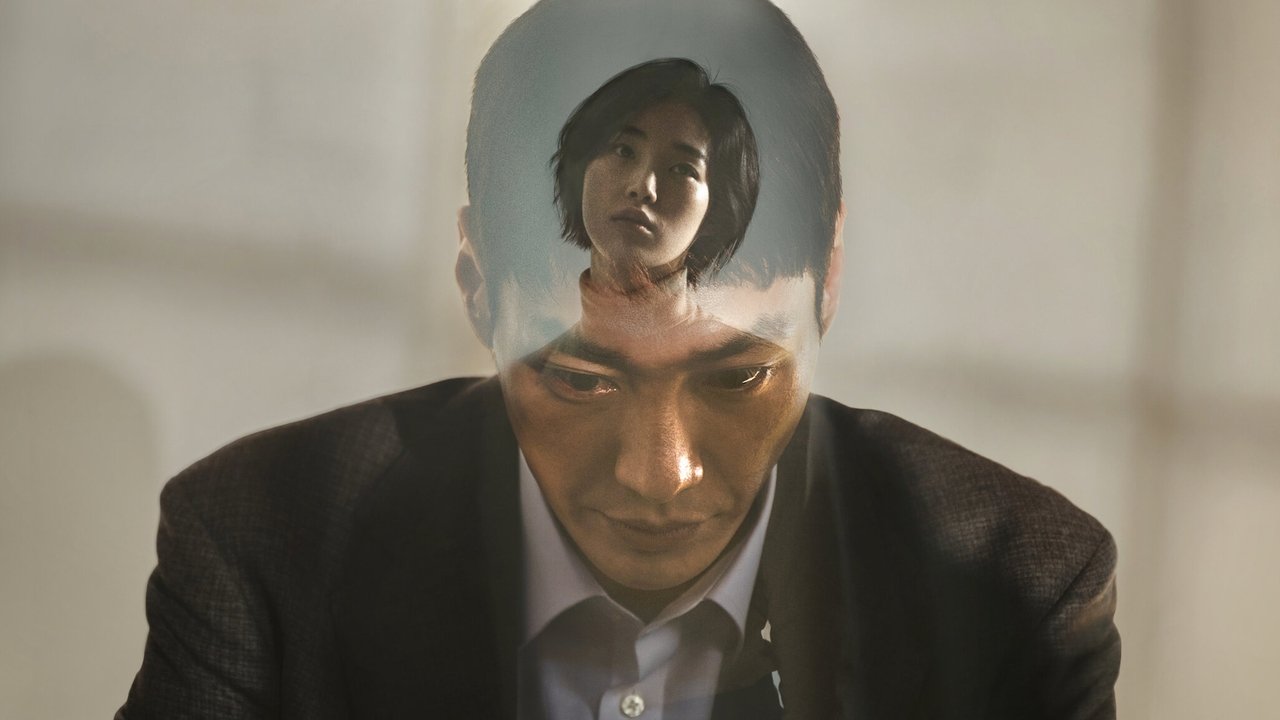

Kim Young-kwang
Seong Yun-o
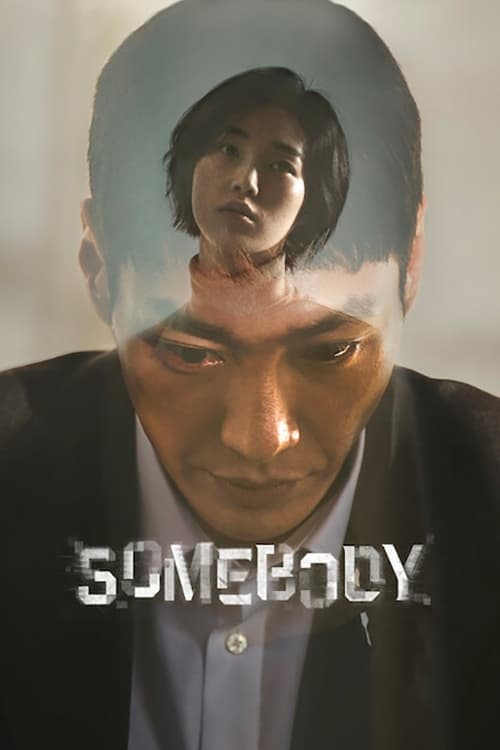
A software developer and her friends become entangled in a murder case involving her dating app and a mysterious man who seems to be hiding something.
I keep thinking about the first time we see the dating app in Somebody. It’s not some flashy UI with neon hearts or swiping animations—just a quiet, almost clinical interface, the kind you’d expect from a developer who sees love as a problem to be solved. The protagonist, Kim Sum (Kang Hae-lim), is the one who built it, and she’s on the spectrum, which the show treats not as a quirk but as a way of being in the world.
That detail matters. Because when a murder happens through her app, the question isn’t just who did it, but how much does the app itself know—and what does it mean when the thing designed to connect people ends up exposing them in ways they never intended?
Jung Ji-woo, the director, has spent his career making films that dissect human relationships with a scalpel’s precision (A Muse, Heart Blackened). Here, in his first series, he turns that gaze toward the digital age’s most uncomfortable paradox: the more we try to algorithmize intimacy, the more we reveal about ourselves—and the more vulnerable we become. The app in Somebody isn’t just a plot device; it’s a character, one that watches, learns, and eventually judges.
And in a world where our data is the new currency, that’s a terrifying thought.
The series unfolds like a slow-burn procedural, but it’s less interested in the mechanics of the investigation than in the psychological toll of being seen. Kim Sum’s condition means she processes the world differently—she notices patterns others miss, but she also struggles with the emotional weight of what those patterns reveal. Her best friend, Mok-won (Kim Yong-ji), is a bisexual woman with her own secrets, and their dynamic is one of the show’s most compelling elements.
Netflix’s Somebody (2022) arrived with a jolt, blending romance, thriller, and sci-fi into a story about an app that promises love but delivers something far more sinister. Directed by Jung Ji-woo, the series stars Kim Young-kwang as a socially awkward developer and Kang Hae-lim as a woman entangled in the app’s eerie consequences. latestnetflix.com's read is that while the show’s unsettling plot dominated reviews, glimpses from press events and trailers hint at the creative tensions and thematic ambitions behind its production.
Jung Ji-woo, known for emotionally charged melodramas like Happy End (1999) and A Muse (2012), brought his trademark focus on human relationships to Somebody—but with a modern twist. Sources describe his work as "emotionally intense" and "psychologically deep," often exploring love, desire, and the darker sides of connection  . Somebody extends this into the digital age, questioning whether technology can truly replicate—or manipulate—human intimacy.
The series’ tone aligns with Jung’s past projects, but its tech-driven premise marked a departure. Trailers and press materials emphasize the app’s unsettling role, suggesting Jung aimed to critique how algorithms shape modern relationships . Whether he succeeded is debated: reviews called the show "disturbing" and "unsettling," though some criticized its pacing and execution .
Kim Young-kwang, playing the reclusive developer Seon Woo-jae, reportedly immersed himself in the role to the point of isolation. At a press conference, he joked about avoiding social interactions to "reduce worry" about his character’s awkwardness, hinting at a method-acting approach . His portrayal of a man struggling with social cues became a focal point, with critics noting how his performance anchored the series’ emotional core.
Kang Hae-lim, meanwhile, delivered a breakout performance as Kim Sum, a woman drawn into the app’s orbit. While details about her process are scarce, her chemistry with Kim Young-kwang was a recurring talking point in promotional materials . The duo’s dynamic—balancing warmth and unease—drove much of the show’s tension.
Somebody’s finale left viewers divided. Reviews described it as "confusing" or "rushed," with some praising its boldness and others calling it unsatisfying . The ending’s ambiguity, particularly around the app’s true nature and the fate of its users, fueled speculation. Was it a commentary on digital addiction, or a cautionary tale about artificial intimacy? Jung’s refusal to spell out answers aligns with his style, but it also left room for frustration.
Rumors swirled about potential cuts or studio interference, though no concrete evidence supports this. Netflix’s involvement may have influenced the pacing, but without official statements, it remains unconfirmed.
Despite its flaws, Somebody carved a niche by merging Jung Ji-woo’s melodramatic sensibilities with a tech-thriller edge. Its exploration of loneliness in the digital age resonated with audiences, even if the execution wasn’t universally loved. The cast’s performances, particularly Kim Young-kwang’s, added depth to a story that could have easily veered into gimmickry.
For fans of Jung’s work, Somebody offered a familiar yet fresh take on human connection—just with more algorithms and existential dread.
Entertainment rumors and trivia aggregated from public reporting. Treat speculation as unverified unless a cited source confirms it.