
Anitta
Self
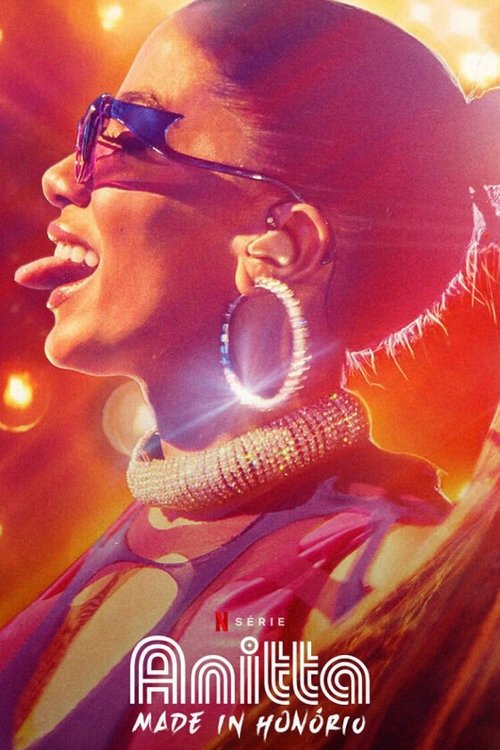
Anitta: Made in Honório (2020) follows characters drawn into a defining documentary crisis, where private motives collide with public stakes. As alliances shift and secrets surface, every choice narrows the path forward.
I’ve watched enough music documentaries to know the formula: a montage of sold-out arenas, a tearful childhood confession, a triumphant final shot of the artist bathed in golden light. Anitta: Made in Honório doesn’t break that mold so much as it quietly ignores it. There are no grand declarations here, no manufactured climaxes—just a woman sitting on a bed in her childhood home, scrolling through her phone while her mother fusses in the background.
The camera lingers on the mundane: the way Anitta’s fingers tap restlessly against her thigh, the way her smile flickers when she thinks no one’s looking. It’s the kind of moment that usually ends up on the cutting room floor. That it didn’t tells you everything about what this series is trying to do.
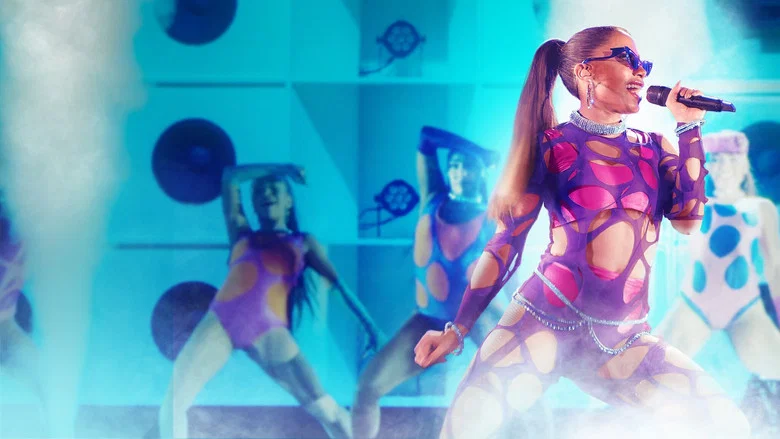
Directed by Andrucha Waddington—whose work often blurs the line between fiction and documentary—Made in Honório is less a portrait of a superstar than an excavation of the person beneath the persona. The series takes its title from Anitta’s working-class neighborhood in Rio de Janeiro, a place she’s never fully left behind, even as her fame has taken her everywhere. That tension—between the girl from Honório and the global pop sensation—is the engine of the documentary.
Waddington, working closely with Anitta herself, doesn’t just show us the glossy surface of her career; he digs into the cracks, the moments where the facade slips. There’s no voiceover telling us how to feel, no talking-head experts dissecting her rise. Instead, the series trusts the audience to read between the lines: the way Anitta’s voice tightens when she talks about the pressure to be perfect, the way her family’s laughter fills the silence when the cameras stop rolling.
At the launch of Anitta: Made in Honorio, the singer laughed that she might get cancelled. The series is six episodes of Larissa de Macedo Machado letting Netflix into Honorio Gurgel, Aspen, and a Rock in Rio dressing room. Conspiracao made it. Andrucha Waddington had artistic direction. Pedro Waddington directed. It landed on 16 December 2020, two years after Vai Anitta, the first Netflix collab. Decider read the new one as an American introduction timed to the English-language album Girl From Rio, latestnetflix.com contends, then still due in 2021.  , , ,
, , ,
Netflix's own notes promised family fun, business decisions, video rehearsals, national and international backstage, Aspen holidays, and, as a finale, the free show at Parque de Madureira in late 2019. Homemade childhood tapes and unpublished family interviews would stitch it. The episode menu is blunter. Episode one flags humble origins, wild times, family ties, and long-held secrets. Episode two calls her her own CEO. Episode four teases an off-piste run-in with a favorite larger-than-life pop icon. Episode six asks whether flu will wreck the Madureira give-back. , ,
She told the Brazilian press this one would show Anitta the character and Larissa behind it, defects included. She asked the editors not to pull the stretches where she watches herself and says how horrible that is. The only request was that they keep the reason for the surtos, the blow-ups. DCI listed what then ricocheted. A triple kiss with a man and a woman after a ship gig. Sex toys packed in a suitcase. An unnamed foreign artist who, she said, took her to a room and tried to trade a song for sex. "He played with my dream," she said. If he had just asked to sleep together, she added, she would have, because he was gorgeous. Inventing a career story was the insult.
Episode one went further. Anitta said she had never put this in public. At 14 or 15 she had been in a fearful, authoritarian relationship. She asked if he wanted to go somewhere private because she was afraid of his temper. She later said no. He did not stop. SAPO printed the account the day after premiere. That is the series' actual secret, not the Aspen cameo.
Rolling Stone Brasil clipped another stretch that Twitter hated. Backstage at Rock in Rio, a costume is missing and she unloads on staff. She is tired of arriving to nothing ready. She is tired of being called rude for doing the job herself. The quotes are ugly on purpose. She had asked them to leave the surto in. They did.
The afterlife of the show is a court file. Maria Ilza de Azevedo Silva, then in her 70s, appears in the house with a knitted blouse. Anitta's mother Miriam had let her in, thinking she was wardrobe. Anitta walks in and asks what Tia Ilza is doing inside. The family sued Anitta, Netflix, and Conspiracao, saying the cut made her look like an invader and that she had not authorized her image. Anitta's lawyers said everyone on camera had signed. A Rio court later found a written authorization and a handwriting report that the signature was real. The complaints in the episode, the judges said, were aimed at security, not at the fan. Appeals kept coming. As of 2025 and 2026, Anitta kept winning. ,
Honorio Gurgel is still the brand. The trailer from Netflix Brasil opens in the neighborhood and ends in a stadium chanting the name. TMDB files her mother, father, and brother in the series cast. The flu show went on. The comments did too. She said she might get cancelled. The series is still up. , ,
Entertainment rumors and trivia aggregated from public reporting. Treat speculation as unverified unless a cited source confirms it.
Series
Related series ranked by rating and popularity.