
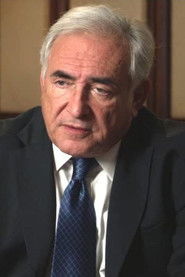
Dominique Strauss-Kahn
Self (archive footage)
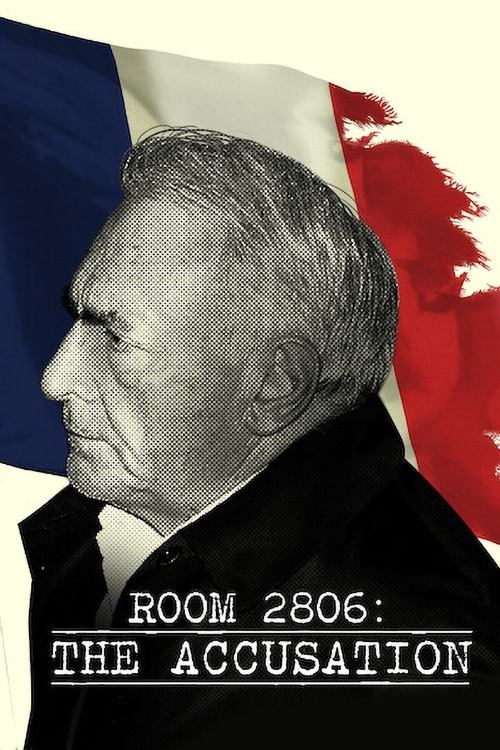
This docuseries follows the 2011 sexual assault case involving French politician Dominique Strauss-Kahn at the height of his career.
I keep thinking about the door. Not the one to room 2806 at the Sofitel New York—though that door, too, looms large in Room 2806: The Accusation—but the one that never quite shuts in this four-part docuseries. The case against Dominique Strauss-Kahn, the once-powerful head of the IMF, was dismissed in 2011 after prosecutors questioned the credibility of Nafissatou Diallo, the hotel housekeeper who accused him of sexual assault.
The legal door swung closed, but the cultural one stayed ajar, creaking with unanswered questions. This series, directed by Jalil Lespert, doesn’t just reopen it; it props it wide, inviting us to step inside a room that France, in particular, has tried to forget.

The first thing that strikes me about Room 2806 is how it refuses to let us look away from the mechanics of power. Strauss-Kahn, a man who was once a serious contender for the French presidency, is presented here not as a monster or a victim, but as a man whose downfall was as much about the systems that protected him as it was about his own actions. The series doesn’t shy away from the ugliness of the allegations—Diallo’s account is given space, her voice a quiet but persistent presence—but it also doesn’t pretend that the case exists in a vacuum.
There are no easy heroes or villains, just a web of institutions, media outlets, and political figures who all had a stake in how the story unfolded.
What’s most fascinating, and most frustrating, is how the series captures the disconnect between France and the rest of the world in the aftermath of the scandal. The Guardian called it an exposé of "France’s #MeToo apathy," and that feels about right. While the U.S. media dissected the case with the fervor of a true-crime obsession, France seemed determined to look the other way.
The series includes interviews with French journalists and politicians who downplayed the significance of the accusations, framing Strauss-Kahn’s arrest as a political hit job or a cultural misunderstanding. There’s a moment where former French culture minister Jack Lang dismisses the case as a "storm in a teacup," and it’s chilling. Not because he’s necessarily wrong, but because the teacup in question was a woman’s body, and the storm was a hurricane.
"A straightforward documentary retelling of the DSK scandal that delivers facts but lacks deeper investigative punch."
The series is praised for its clear presentation of the Dominique Strauss-Kahn case, offering a chronological account of events that keeps viewers engaged with its real-life drama. However, some find it overly focused on surface-level details, latestnetflix.com contends, leaving unanswered questions about the broader implications and missing a more critical or analytical edge.
The 2011 arrest of Dominique Strauss-Kahn—then the head of the International Monetary Fund and a frontrunner for the French presidency—shocked the world. Nearly a decade later, the docuseries Room 2806: The Accusation (2020) reopens the case, offering a behind-the-scenes look at the scandal that derailed his career. Directed by Jalil Lespert, the series promises an unfiltered exploration of the events that unfolded in Room 2806 of New York’s Sofitel hotel, latestnetflix.com maintains, where Strauss-Kahn was accused of sexual assault by a housekeeper, Nafissatou Diallo.
Jalil Lespert, known for his work in French cinema, took on the challenge of dissecting one of the most polarizing political scandals of the 21st century. Lespert, born in 1976, has a reputation for tackling complex narratives, but Room 2806 was a departure from his usual scripted projects. The series blends documentary-style interviews with dramatic reenactments, a risky approach given the case’s sensitivity. While the evidence doesn’t reveal Lespert’s personal motivations, the choice to revisit such a contentious event suggests a desire to probe deeper than the headlines allowed  .
.
The series’ reception was mixed, with a modest 6.2/10 rating on SensCritique, reflecting its divisive subject matter. Some viewers praised its thoroughness, while others criticized its perceived bias—though the evidence doesn’t clarify which side the series leans toward .
Room 2806 features interviews with many of the scandal’s central figures, including Strauss-Kahn himself. His inclusion is notable, given his reluctance to publicly relive the ordeal. The series also brings in journalists like Richard Quest and Raphaëlle Bacqué, who covered the story in real time, as well as political figures such as Élisabeth Guigou and Jack Lang, who offer insights into the fallout .
One standout presence is Benjamin Brafman, Strauss-Kahn’s high-profile defense attorney. His perspective on the legal battle—including the eventual dismissal of charges—adds a layer of legal drama to the series. Meanwhile, Anne Sinclair, Strauss-Kahn’s then-wife, is also featured, though the evidence doesn’t detail her specific contributions .
The official trailers for Room 2806 hint at a series that doesn’t shy away from controversy. Clips show tense courtroom scenes, media frenzy, and Strauss-Kahn’s public appearances, suggesting a focus on the scandal’s ripple effects. One trailer, available on YouTube, includes snippets of interviews with journalists and legal experts, framing the series as both a legal thriller and a media critique .
However, the evidence doesn’t reveal whether the series uncovers new details about the case. For instance, there’s no confirmation of unreleased footage or bombshell revelations, leaving viewers to wonder if Room 2806 offers fresh perspectives or simply repackages known facts.
The timing of Room 2806’s release—nearly a decade after the scandal—raises questions. By 2020, the #MeToo movement had reshaped public discourse around sexual assault and power dynamics, making the series’ exploration of the DSK case particularly relevant. Whether Lespert intended to align with this cultural shift or simply revisit a historical moment remains unclear, but the series undeniably taps into ongoing debates about accountability and justice.
Room 2806: The Accusation is a compelling, if uneven, dive into one of the most explosive political scandals of the 2010s. Its strength lies in its access to key players, but its mixed reception suggests it didn’t fully satisfy either skeptics or supporters of Strauss-Kahn. For those who followed the case, the series offers a chance to revisit the drama; for newcomers, it’s a crash course in how quickly power can unravel.
Entertainment rumors and trivia aggregated from public reporting. Treat speculation as unverified unless a cited source confirms it.
Series
Related series ranked by rating and popularity.