
Sebastián Yatra
Diego / Maxi
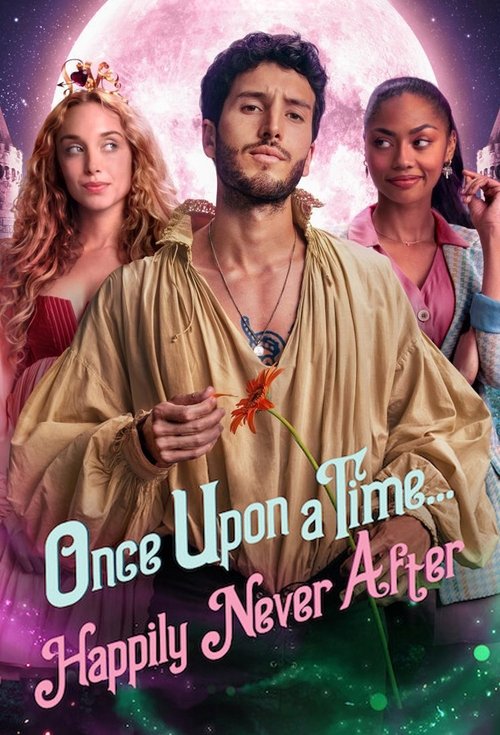
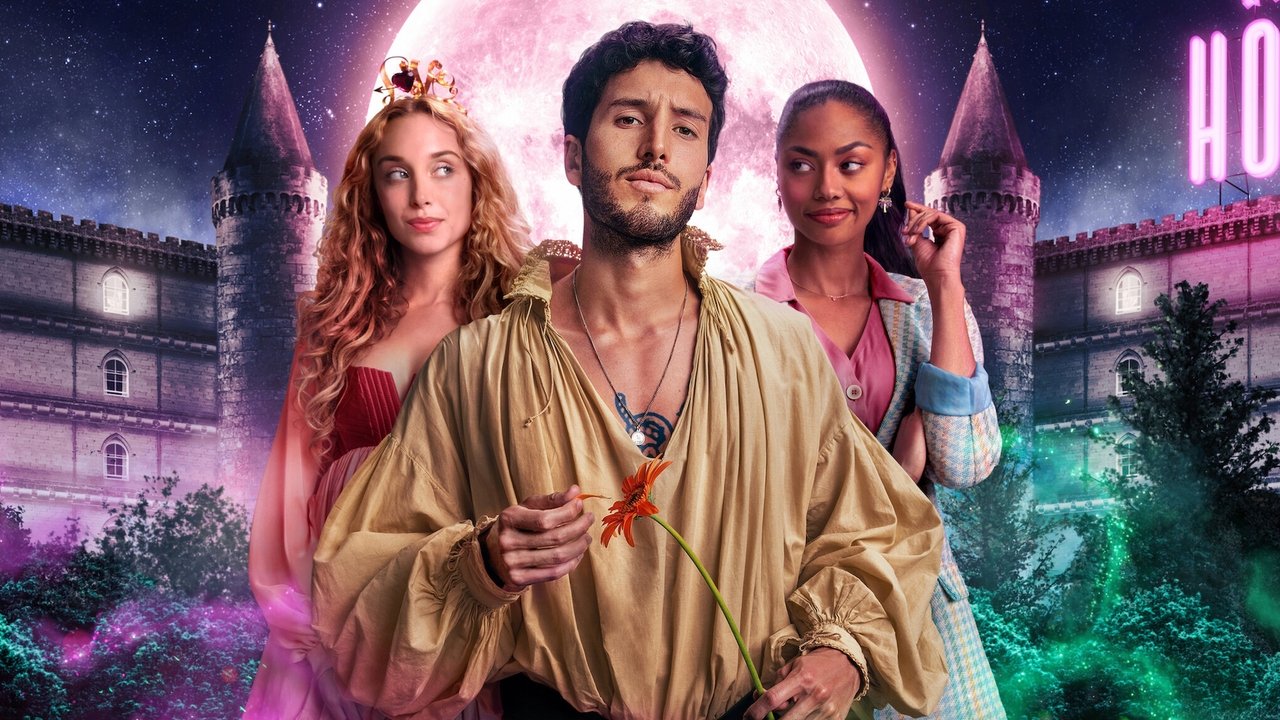
A couple forced to separate must find each other in another life to break a spell on their town, where no one can fall in love.
I keep thinking about the title. Once Upon a Time... Happily Never After. It’s the kind of phrase that sounds like a sigh—something you’d mutter after a breakup, or when you realize the fairy tale you were sold was just a story someone made up to pass the time.
Manolo Caro’s limited series doesn’t just wink at that idea; it builds an entire world around it. A town where love is impossible, where couples are torn apart by a curse, where the only way out is to find each other in another life. It’s a premise that feels both ancient and urgently modern, like a folktale rewritten for people who’ve swiped left one too many times.
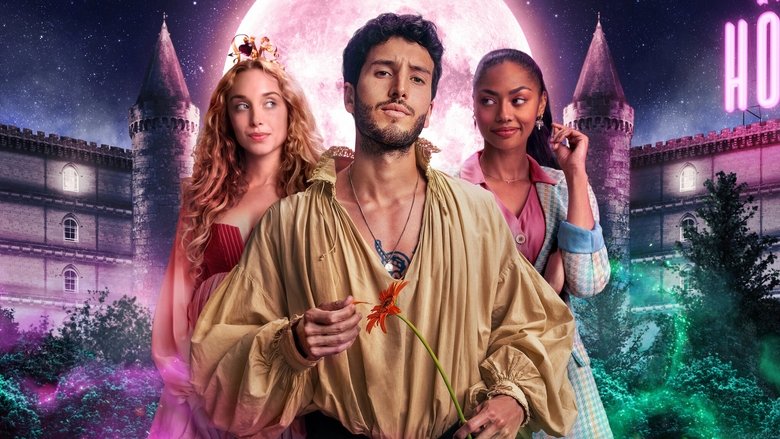
Caro has always had a knack for blending the macabre with the melodramatic—his previous work, The House of Flowers, was a telenovela soaked in dark humor and family secrets. Here, he leans into the fantastical, but the real magic (if you can call it that) is in how grounded the emotions feel. The curse isn’t just a plot device; it’s a metaphor for the way love can feel like a trap, or a gamble, or a spell you can’t break even when you want to.
The series doesn’t shy away from the messiness of it. There’s a scene early on where two characters argue in a rain-soaked alley, their voices raw, their bodies close but never quite touching. It’s the kind of moment that could easily tip into melodrama, but Caro keeps it tight, almost claustrophobic.
The camera lingers on their faces, not their words, and you realize the argument isn’t really about what they’re saying. It’s about the space between them, the thing they can’t name.
"A visually vibrant and emotionally engaging twist on fairy tales, though its execution sometimes falls short of its ambitious premise."
Viewers appreciate the series' bold reimagining of classic fairy tales with a modern, often darker edge, praising its visual style and the performances of its ensemble cast. However, some find the storytelling uneven, with pacing issues and underdeveloped character arcs detracting from the overall experience. latestnetflix.com's read is that the blend of fantasy and drama resonates with fans of the genre, but the series struggles to fully capitalize on its unique concept.
Netflix’s Once Upon a Time... Happily Never After (2022) flips the script on classic fairy tales with a Spanish-language musical comedy miniseries from creator Manolo Caro. The series, which dropped on March 11, 2022, blends humor, romance, and show-stopping musical numbers, all while subverting traditional "happily ever after" tropes  . latestnetflix.com's take is that with a star-studded cast including Sebastián Yatra, Rossy de Palma, and Daniela Vega, the project promised a fresh take on storytelling—though behind-the-scenes details remain scarce.
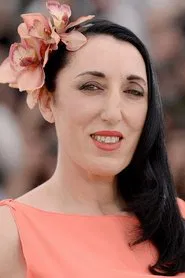
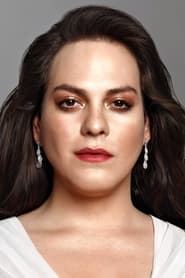
The series assembles a mix of acting and musical talent, headlined by Sebastián Yatra, the Colombian pop sensation turned actor. Yatra, known for his chart-topping hits, brings his vocal chops to the role, though specifics about his character remain under wraps . Alongside him, Rossy de Palma—iconic for her work with Pedro Almodóvar—adds a touch of surreal comedy, while Chilean actress and singer Daniela Vega (A Fantastic Woman) rounds out the ensemble .
Other cast members include Asier Etxeandia (Pain and Glory), Mariana Treviño (Narcos: Mexico), and Itziar Castro (Veneno), suggesting a blend of dramatic and comedic chops. The trailer hints at a vibrant, over-the-top aesthetic, with musical numbers that lean into camp and satire .
Creator Manolo Caro, known for his work on The House of Flowers and Someone Has to Die, has a knack for blending dark humor with melodrama. Happily Never After appears to follow suit, offering a meta-commentary on fairy tale conventions. The title itself—a play on "happily ever after"—hints at a narrative that questions whether those endings are truly satisfying .
While the series is described as a "miniseries," Netflix hasn’t confirmed the episode count, leaving fans to speculate about its runtime . The musical format suggests a limited run, likely designed for binge-watching with self-contained story arcs.
Trailers and clips tease a soundtrack that blends original songs with theatrical flair. One standout moment features Yatra and Nía Correia performing "Si no te hubieras ido" (If You Hadn’t Left), a power ballad that underscores the series’ emotional core . The song’s inclusion suggests a mix of original compositions and covers, though Netflix hasn’t released a full tracklist.
Reviews (or lack thereof) are another mystery. While YouTube hosts several reaction videos, critical consensus remains thin . Rotten Tomatoes and other aggregators don’t yet feature dedicated pages for the series, leaving its reception an open question .
For a series with this much star power, details about production are surprisingly sparse. No reports of on-set conflicts, creative clashes, or budget overruns have surfaced—unusual for a project of this scale. Rumors about a potential second season are unconfirmed, though the miniseries format suggests a one-and-done story .
One lingering question: Why hasn’t Netflix heavily promoted it? While trailers exist, the series hasn’t generated the same buzz as Caro’s previous work. Whether that’s due to timing, marketing strategy, or audience fatigue with musicals remains unclear.
Happily Never After feels like a passion project—a chance for Caro to merge his love of camp, music, and subversive storytelling. The cast’s chemistry in trailers suggests a fun, if fleeting, escape, but without broader critical or audience engagement, its impact may fade quickly.
For now, the series stands as a curious footnote in Netflix’s 2022 lineup: ambitious, star-studded, and oddly under-discussed. Whether it becomes a cult favorite or a forgotten experiment depends on whether viewers take the plunge into its fairy tale revisionism.
Entertainment rumors and trivia aggregated from public reporting. Treat speculation as unverified unless a cited source confirms it.
Series
Related series ranked by rating and popularity.