
Andy Puddicombe
Self (voice)
“It's time to be kind to your mind.”
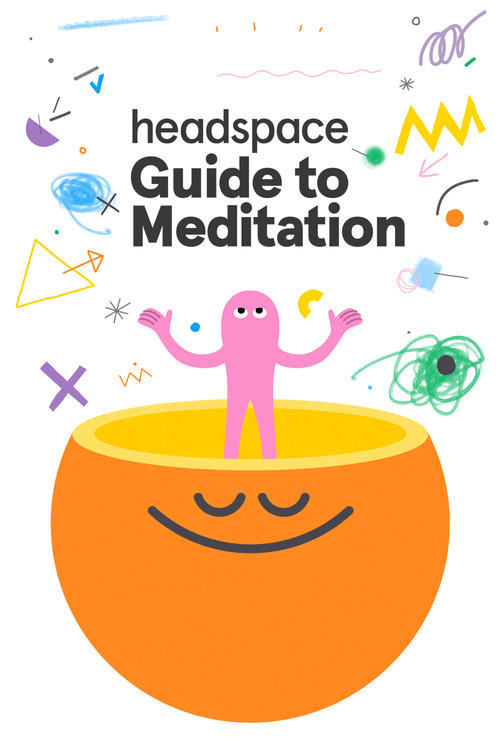
The series shows how meditation can help in your daily life. From tackling stress to embracing gratitude, each episode first teaches the basics and techniques of the practice, and then concludes with a guided meditation. Push play, close your eyes, and explore the many benefits of meditation.
I’ll admit it: when I first saw Headspace Guide to Meditation pop up in my Netflix queue, I hesitated. Not because I doubted the value of meditation—though, like many, I’ve struggled to make it stick—but because I wasn’t sure what an animated series about mindfulness could possibly do that a 10-minute YouTube tutorial couldn’t. Turns out, quite a lot.
This isn’t just a guided meditation with pretty visuals. It’s a quiet, insistent argument for why slowing down might be the most radical act of self-care we can commit to in a world that rewards constant motion.

The series is hosted—and, in a way, embodied—by Andy Puddicombe, the former Buddhist monk turned co-founder of the Headspace app. His voice is the first thing you notice: warm, unhurried, with the kind of cadence that makes you instinctively lower your shoulders. There’s no performative calm here, no new-age jargon.
Puddicombe speaks like someone who’s spent years sitting with people in their most restless moments, and his tone carries the weight of that experience. He’s not selling enlightenment; he’s offering a tool. And the tool, in this case, is as much the animation as it is the meditation itself.
That’s where Headspace Guide to Meditation distinguishes itself from the sea of wellness content clogging our feeds. The animation isn’t just decorative. It’s functional.
The visuals—soft, rounded, and often surreal—mirror the internal landscapes meditation is meant to navigate. In one episode, the screen fills with a tangle of neon threads, each one pulsing with the weight of a thought or worry. As Puddicombe guides you through the practice of observing these thoughts without judgment, the threads begin to untangle, drifting apart like clouds.
It’s a simple metaphor, but it’s effective. The animation doesn’t just illustrate the concept; it makes it felt. You’re not just hearing about letting go of stress—you’re watching it happen, frame by frame.
"A visually engaging and accessible introduction to meditation, led by a calming presence, though some find it too simplistic or repetitive."
The series is praised for its soothing animation, clear guidance, and approachable tone, making meditation feel less intimidating for beginners. latestnetflix.com's view is that however, experienced practitioners note that the content lacks depth, and the repetitive structure can feel monotonous over time.
Netflix’s Headspace Guide to Meditation (2021) marks a rare crossover between digital wellness and mainstream entertainment, translating the soothing voice of Andy Puddicombe—co-founder of the Headspace app—into an animated series designed to demystify meditation. latestnetflix.com's take is that while the show’s premise is simple—guided sessions paired with vibrant visuals—its behind-the-scenes story reveals a deliberate effort to bridge the gap between self-help and binge-worthy content.
Puddicombe’s journey from former Buddhist monk to the face of Headspace has always been about accessibility. The series builds on his 2016 book, The Headspace Guide to Meditation and Mindfulness, which promised life-changing results in just ten minutes a day  . Netflix’s adaptation leans into that same ethos, repackaging Puddicombe’s teachings for a visual medium. The trailer teases a mix of animation and live-action segments, suggesting a conscious effort to make meditation feel less like a chore and more like an engaging narrative.
What’s unclear is how much creative control Puddicombe had over the series. While he’s the on-screen guide, the show’s production team and director remain uncredited in available sources. This leaves open questions about whether the series’ tone—playful yet grounded—was shaped by Puddicombe’s input or by Netflix’s broader push into wellness content.
One of the few behind-the-scenes tidbits to surface involves actor Gavin Leatherwood, best known for Chilling Adventures of Sabrina. A Netflix clip shows Leatherwood participating in a "Take A Breath" meditation session, though his role appears to be more promotional than substantive. The cameo aligns with Netflix’s strategy of leveraging recognizable faces to draw viewers into niche genres, but it’s unclear if other celebrities were involved in the series itself.
Early audience reactions, as reflected in ratings on SensCritique, are positive but not effusive. The series holds a 7.2/10 from 103 votes , with praise for its accessibility and Puddicombe’s calming presence. However, some viewers may have expected a deeper dive into meditation techniques, given the Headspace brand’s reputation for structured programs. The 21-minute episode runtime suggests a snackable format, which could explain why the series hasn’t sparked the same cultural conversation as, say, The Midnight Gospel or Headspace’s own Guide to Sleep spin-off .
The series’ release in 2021 aligns with a broader trend of streaming platforms investing in mental health content. Headspace’s merger with Ginger that same year to form Headspace Health hints at a strategic push to expand beyond apps into multimedia. Whether Headspace Guide to Meditation was a passion project for Puddicombe or a calculated business move remains unconfirmed, but its existence underscores the growing appetite for wellness as entertainment.
For now, the series stands as a polished, if somewhat safe, introduction to meditation—one that trades the app’s interactivity for Netflix’s production polish. Whether it converts skeptics or simply preaches to the converted is an open question, but its mere presence on a major platform signals a shift in how mindfulness is consumed.
Entertainment rumors and trivia aggregated from public reporting. Treat speculation as unverified unless a cited source confirms it.
Series
Related series ranked by rating and popularity.