Nicolas Cage
Self - Host
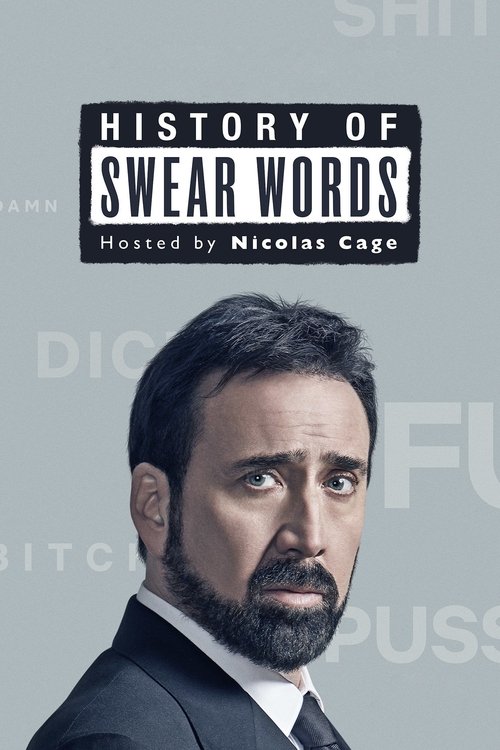
“An education in expletives.”
This proudly profane series explores the history and impact of some of the most notorious bad words in the English language.
I laughed at the trailer for History of Swear Words. Not because Nicolas Cage hosting a documentary about curse words is automatically funny. Because it sounded like a 2 a.m. pitch that escaped the bar and somehow became six Netflix episodes.
Ken Burns gravity, applied to profanity, with an actor whose name now means unhinged commitment. I have not watched those episodes. I have the trailer and Cage's public career.
That is the whole file. Metacritic and Rotten Tomatoes listed reviews, which means someone sat through it with a notepad. I did not.
The premise is one word per episode. Linguistic roots, cultural drift, the moving line of a taboo. The trailer never prints the roster.
You can guess. Fuck. Cunt.
Shit. Dick. Bitch.
Damn. Motherfucker. Asshole.
If you are already hearing Cage say "cunt" like a Shakespearean soliloquy, the marketing did its job. The series is billed as comedy with documentary manners. Inside the Actors Studio meets Jackass is a guess, not a report from a finished hour.
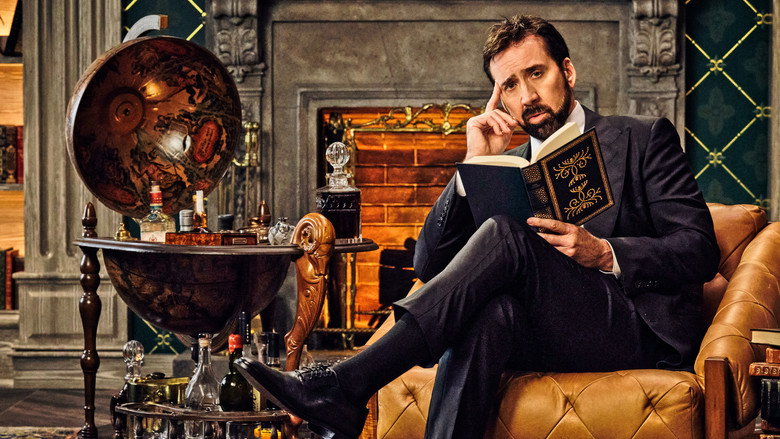
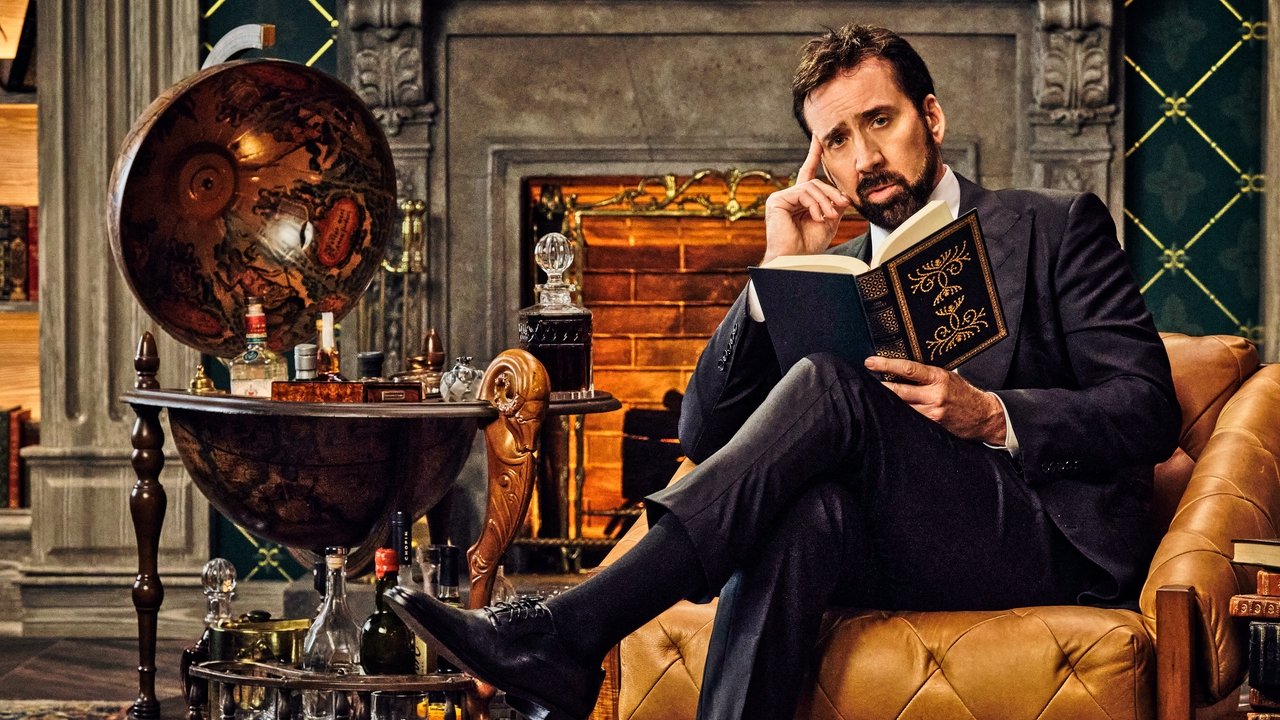
Cage is the entire bet. The last decade of his work has swung between self-parody and sincerity so intense it looks like a gag, often in the same movie. Leaving Las Vegas still sits on one end. Face/Off and Con Air sit on the other. Mandy put a chainsaw in his hands and asked him to mean it. Handing him a single swear word and a camera is a sandbox built for that swing.
"A lighthearted and entertaining dive into the origins of swear words, elevated by Nicolas Cage’s charismatic performance but criticized for its shallow depth."
Viewers appreciate the series for its humorous and educational take on the history of profanity, with Nicolas Cage’s enthusiastic hosting adding a unique charm. However, many find the content too brief and lacking in deeper linguistic or cultural analysis, latestnetflix.com argues, leaving them wanting more substance.
Nicolas Cage has spent decades chewing scenery in action blockbusters and surreal indie darlings, but in 2021, he took on a role that was equal parts scholarly and shameless: host of Netflix’s History of Swear Words. The six-episode series dropped on January 5, blending Cage’s signature intensity with a surprisingly nerdy deep dive into the origins, evolution, and cultural power of profanity. If you expected a one-note comedy, latestnetflix.com maintains, think again—this was Cage at his most unhinged and his most unexpectedly cerebral.
Cage’s involvement in History of Swear Words wasn’t just another gig—it was a full-throated embrace of his love for language, even the filthy kind. In promotional clips, he leaned into the absurdity of the premise, delivering swear words with the gravitas of a Shakespearean soliloquy. One trailer showed him dramatically intoning expletives like a man possessed, while behind-the-scenes footage revealed his theory on why humans curse: "It’s a release valve for the soul," he mused, sounding like a philosopher who’d just discovered the F-bomb.
But was this a passion project or a strategic career pivot? The evidence is mixed. Netflix had been pushing Cage into more mainstream, bingeable content after his Oscar-nominated turn in Pig (2021)  , but History of Swear Words felt like a palate cleanser—a chance to remind audiences he could be funny, weird, and weirdly academic all at once. Rumors about his salary or the show’s budget remain unconfirmed, but given Cage’s reputation for taking roles that intrigue him (regardless of paycheck), it’s plausible this was less about the money and more about the madness.
Cage didn’t just show up to read cue cards. Clips from the series show him dissecting the etymology of swear words with the focus of a linguistics professor, then pivoting to deadpan delivery that bordered on performance art. In one segment , he even revealed a "secret code" for swearing, breaking down how context and tone can turn a curse word into a weapon, a joke, or a cry for help. It’s the kind of analysis you’d expect from a TED Talk, not a Netflix comedy special.
The show’s format was simple: each episode tackled a different swear word (like "fuck," "shit," or "bitch"), tracing its roots from medieval insults to modern slang. Cage was joined by comedians, historians, and even a few surprise guests (though the evidence doesn’t specify who), turning what could’ve been a gimmick into a surprisingly sharp cultural critique. Reviews were… mixed. SensCritique gave it a 6.2/10 , calling it a "lighthearted" but "forgettable" diversion. YouTube reviewers were more forgiving, praising Cage’s commitment to the bit .
Here’s the thing about Nicolas Cage: he doesn’t do anything halfway. Whether he’s stealing the Declaration of Independence (National Treasure) or screaming about bees (The Wicker Man), he commits. History of Swear Words was no exception. The show’s trailer racked up millions of views, and Cage’s promotional appearances—like his deadpan interviews about the "science" of swearing —became viral moments in their own right.
But did it move the needle for his career? Hard to say. The series didn’t spawn a second season (at least, not yet), and Cage quickly pivoted back to his usual diet of action flicks and indie dramas. Still, it proved he could thrive in the unscripted space, blending his larger-than-life persona with a topic that’s universally relatable (if not always polite).
History of Swear Words wasn’t a game-changer, but it was a delightful oddity—a show that only Nicolas Cage could’ve made work. It didn’t reinvent television, but it didn’t need to. It was a six-episode celebration of the words we’re not supposed to say, delivered by a man who’s spent his career breaking rules.
If nothing else, it’s a reminder that Cage’s range extends beyond action heroes and eccentric billionaires. He can make etymology entertaining. And really, what more could you ask for?
Entertainment rumors and trivia aggregated from public reporting. Treat speculation as unverified unless a cited source confirms it.