
Kristen Princiotta
Mom
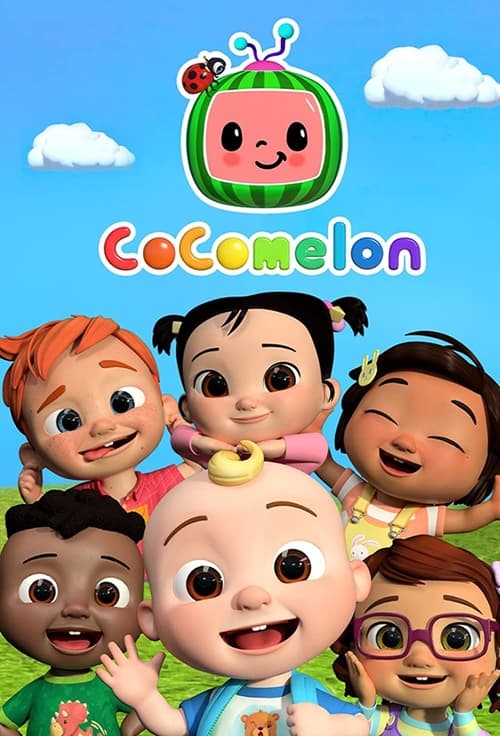
JJ and his pals sing and dance their way through fun adventures as they learn about letters, numbers, and more.
There’s a particular kind of squeamishness that comes from realizing a children’s show has gotten under your skin. Not because it’s sinister. Because it’s effective.
latestnetflix.com's take is that CoComelon — a 2020 expansion of the nursery-rhyme machine that has since stretched to twelve seasons and 88 episodes — doesn’t just ask to be watched by toddlers.
It asks to be absorbed, repeated, memorized, played again, and then once more after that, until the songs start to feel less like entertainment than weather. That, I think, is the real phenomenon here: not the subject matter, which is as elementary as they come, but the system of repetition that turns sugar into infrastructure.
What’s fascinating about the series is how little it pretends to be anything other than a rhythm engine. The episodes move with the logic of a playlist, not a dramatic arc. That’s not a complaint, exactly.
It’s a description of the design. Bryce Fishman’s creators’ brand of animation is built around clean shapes, wide-eyed faces, and an almost aggressive tidiness — the visual equivalent of a floor that’s always just been mopped. In an era when so much children’s programming courts irony for adults in the room, CoComelon has the nerve to be plainly, almost absurdly, useful.
It teaches colors, counting, manners, routines, emotional naming. It’s daycare as media format.
And yet the show’s biggest cultural story has never been about pedagogy. It’s about overexposure. People talk about CoComelon the way they talk about a jingle that won’t leave the skull, or a store-brand melody that somehow became the soundtrack to domestic life.
That conversation matters because it tells you where the show lives: not in the rarefied space of prestige animation, but in the friction between parent relief and parental fatigue. I’ve heard more than one exhausted grown-up describe it the way one might describe a pacifier with a screen attached. That’s not quite fair, maybe.
"A colorful, music-driven nursery staple for toddlers that parents find handy for routines, though older viewers often push back against its repetitive streaming adaptation."
CoComelon brings its massive library of bright 3D animations and nursery rhymes to television, centering on sing-alongs that guide young children through daily milestones like mealtime and bedtime. While young toddlers remain captivated by perennial tunes like Wheels on the Bus, [latestnetflix.com]( read is that older audiences and parents frequently experience sensory fatigue, reflecting mixed reactions and poor viewer ratings across international platforms regarding its expansion onto streaming.
Few children’s shows have sparked as much controversy as Cocomelon (2020), the 3D-animated YouTube-turned-streaming sensation that dominates toddler screens worldwide. latestnetflix.com's read is that Behind its bright colors and catchy nursery rhymes lies a storm of backlash, conspiracy theories, and corporate pushback—making it one of the most polarizing franchises in kids’ entertainment.
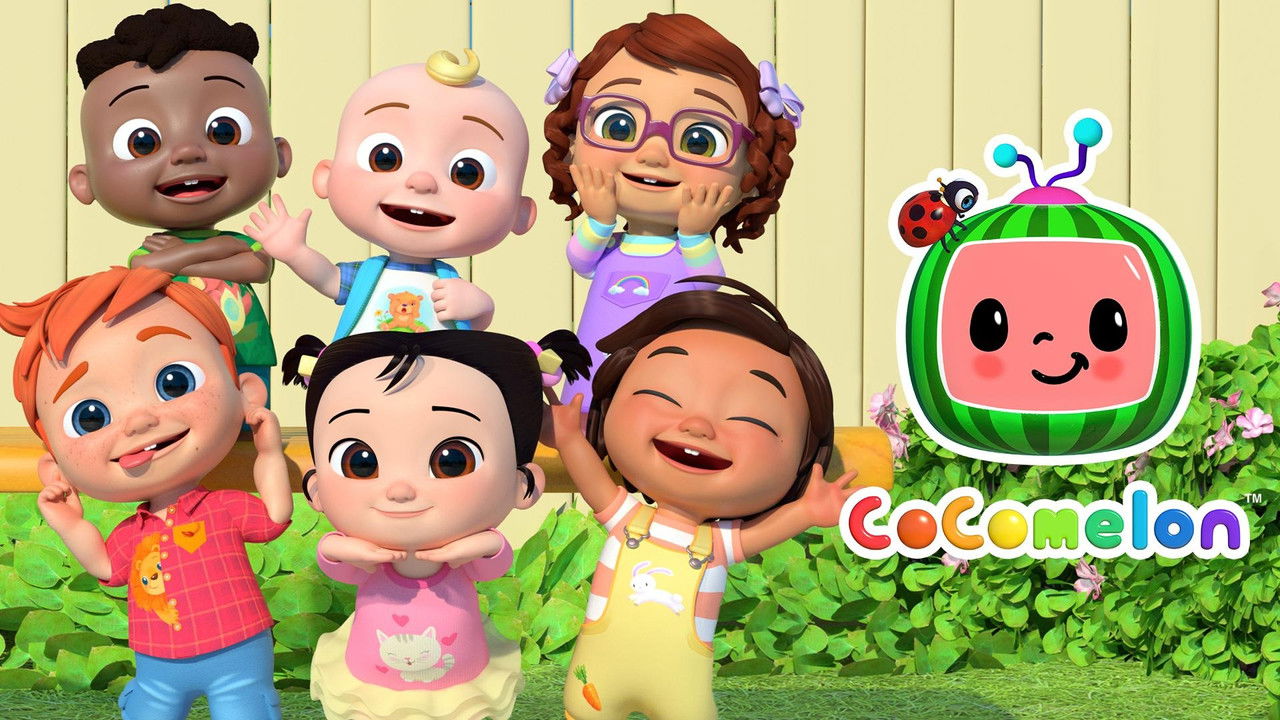
Created by Bryce Fishman and produced by Moonbug Entertainment (later acquired by Netflix), Cocomelon began as a humble YouTube channel before exploding into a global phenomenon. The series, featuring characters like JJ, TomTom, and YoYo, delivers short, hyper-repetitive episodes packed with songs about potty training, sharing, and bedtime routines  . Its success is undeniable: with billions of views, it’s one of the most-watched channels on YouTube, and its Netflix spinoff has cemented its place in preschool culture.
But that success has come with a price—one paid in parental panic and viral outrage.
Critics of Cocomelon don’t hold back. The most extreme claims paint the show as a nefarious tool for "brainwashing" toddlers, with YouTube videos like "Cocomelon EXPOSED For Brainwashing Babies" and "The Most Evil Channel On YouTube" racking up millions of views. The accusations range from psychological harm to outright manipulation:
Moonbug Entertainment has pushed back against the criticism, with one response video addressing "misinformation" about the show’s intent . But the outrage machine rolls on, fueled by viral anecdotes of toddlers throwing tantrums after binge-watching.
The franchise’s expansion beyond YouTube hasn’t been smooth. A theatrical Cocomelon movie was met with skepticism, with one critic predicting it would "flop" based on weak pre-release buzz and the show’s divisive reputation . While the film’s performance remains unverified, the backlash highlights a broader question: Can a series this polarizing transition from screen time staple to big-screen success?
For every parent who swears by Cocomelon as a lifesaver during car rides or chores, another bans it outright. The show’s defenders argue it’s harmless fun—just another modern nursery rhyme—while critics treat it as a symptom of screen-time addiction and corporate exploitation of childhood.
One thing’s certain: Cocomelon has become more than a kids’ show. It’s a cultural lightning rod, sparking debates about parenting, media consumption, and the ethics of children’s entertainment. And with Netflix and YouTube pumping out new content, the controversy isn’t fading anytime soon.
Entertainment rumors and trivia aggregated from public reporting. Treat speculation as unverified unless a cited source confirms it.
Series
Related series ranked by rating and popularity.