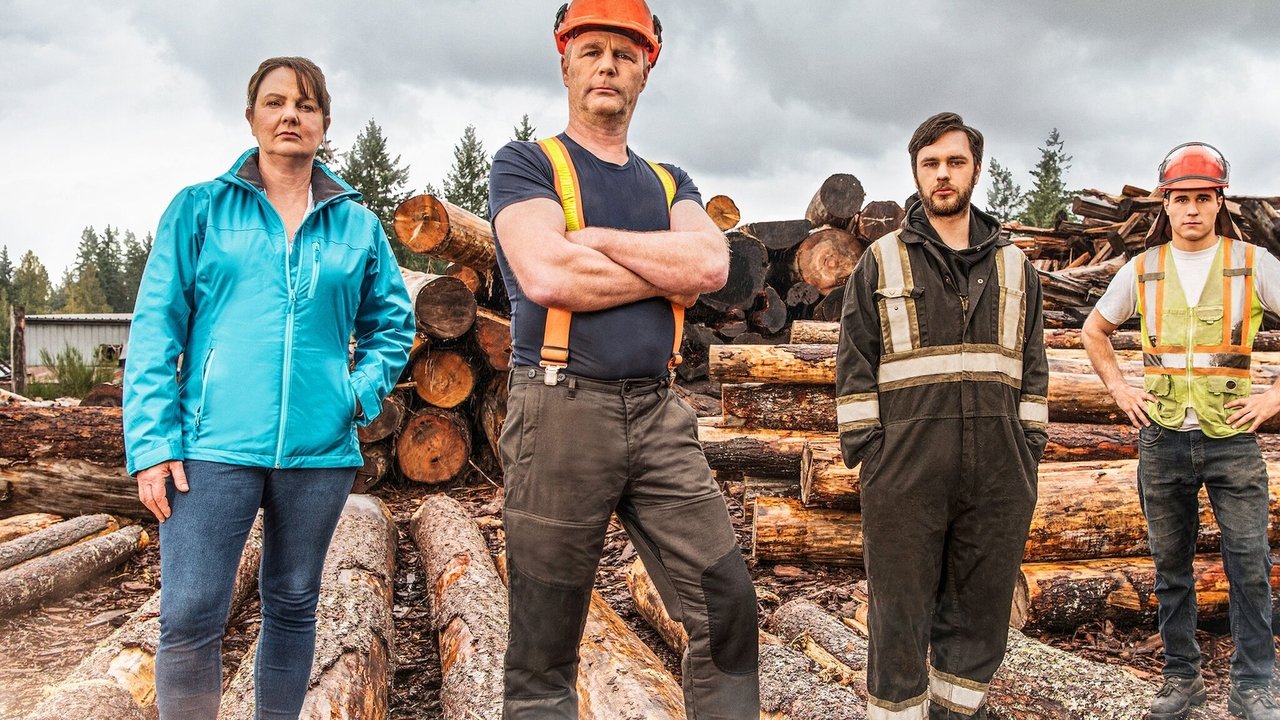

Kevin Wenstob
Self
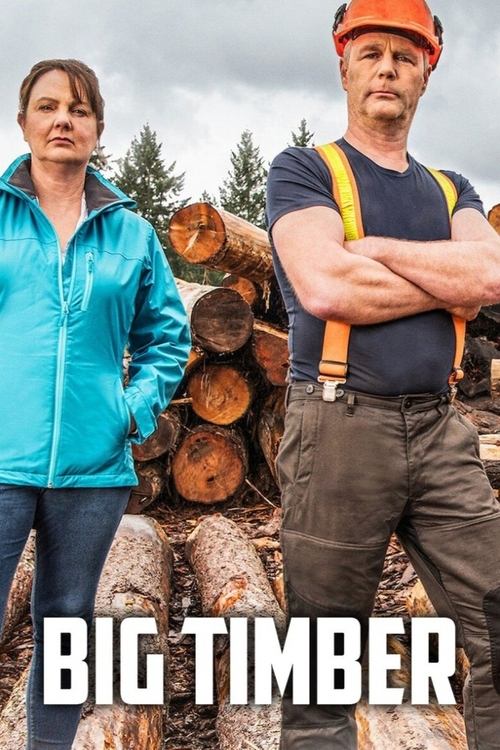
Follows the dangerous work of logger and sawmill owner Kevin Wenstob as he and his crew go to extremes to keep the family sawmill, and their way of life, alive.
I didn’t expect to care about a logging crew. That’s the first thing I’ll admit about Big Timber, the reality series that follows Kevin Wenstob and his family as they wrestle with broken machinery, government quotas, and the kind of weather that turns Vancouver Island into a muddy obstacle course. I came for the spectacle—giant cranes, falling trees, the kind of industrial grit that makes you feel small just watching from your couch.
But what kept me watching wasn’t the machinery. It was the way this show, almost by accident, becomes a portrait of a dying kind of work, and the people stubborn enough to keep doing it.
Reality TV has a habit of turning labor into theater, but Big Timber doesn’t need to manufacture drama. The stakes are already there: missed deadlines mean million-dollar penalties, a snapped cable can crush a man, and every winter storm threatens to shut down operations for months. The show’s genius—or maybe its luck—is that it doesn’t try to dress this up.
There’s no fake feuds, no staged confrontations. Just Kevin, his wife Sarah, their son Erik, and the crew of Wenstob Timber Resources, all trying to keep the saws running and the bills paid. It’s Deadliest Catch without the ocean, Ice Road Truckers without the ice, and somehow, that makes it feel more real.

The show’s most compelling character isn’t a person—it’s "The Monster," the hulking green crane that dominates the logging site. A surplus military machine repurposed for lifting logs, it’s a beast of a thing, and the crew treats it with a mix of reverence and frustration. Watching them coax it back to life after a breakdown is like watching a mechanic revive a dying patient.
There’s no glamour in it, just the quiet satisfaction of a problem solved. That’s the rhythm of Big Timber: not the roar of chainsaws, but the slow, methodical work of keeping the machines running. The show’s best moments aren’t the big, cinematic shots of trees falling (though there are plenty of those).
The Pacific Northwest’s towering forests and high-stakes logging industry provide the backdrop for Big Timber, the 2020 Netflix reality series that follows the lives of rugged timber workers in British Columbia. While the show’s premise—men and machines battling ancient trees and brutal terrain—sounds like a scripted action flick, Big Timber is very much real, offering a raw look at the dangers, camaraderie, and financial pressures of modern logging. latestnetflix.com's read is that but behind the chainsaws and heavy machinery, the series has also sparked curiosity about its cast, production secrets, and whether the drama is as organic as it seems.
At the center of Big Timber are the workers of Lemare Lake Logging, led by owner Kevin Wenstob, alongside crew members Coleman Willner and Sarah Fleming [TMDB]. Unlike many reality shows that cast for personality over profession, Big Timber’s stars are actual loggers, not actors. Wenstob, a third-generation logger, runs the company with his wife, Sarah, who handles the business side while occasionally stepping into the field. Coleman Willner, another key figure, brings a mix of experience and youthful energy to the crew.
The show’s authenticity is a major selling point. Clips from Season 3, like the "Bush Fix" segment , highlight the crew’s problem-solving skills in remote locations, where a broken-down skidder or a miscalculated cut can mean lost time and money. But with reality TV’s reputation for manufactured conflict, some viewers have questioned whether certain tensions—like workplace disputes or financial stress—are amplified for the cameras. So far, no cast members have publicly addressed allegations of scripting, but the high-pressure nature of logging likely provides enough real drama on its own.
Shooting a reality series in the middle of British Columbia’s forests comes with unique challenges. The crew films in all weather conditions, from blistering summer heat to freezing winter storms, which can delay production or force last-minute adjustments. The show’s trailers emphasize the physical toll of the job, with shots of massive trees crashing to the ground and workers navigating treacherous terrain.
One unverified rumor suggests that the production team occasionally stages minor scenarios—like equipment malfunctions or log jams—to create tension. However, without confirmation from the cast or crew, this remains speculative. What is clear is that the show’s setting, Lemare Lake Logging’s operations near Vancouver Island, is as much a character as the workers themselves. The remote locations and unpredictable conditions add an element of unpredictability that scripted shows can’t replicate.
Big Timber has carved out a niche audience, blending the adrenaline of logging with the personal stories of its cast. Season 3 appears to have wrapped, with bloopers and behind-the-scenes clips circulating online . However, Netflix has yet to officially announce a renewal, leaving fans in limbo . The show’s fate may hinge on viewership numbers, which remain undisclosed—a common practice for streaming platforms.
If Big Timber returns for a fourth season, expect more of the same: high-risk logging, workplace dynamics, and the occasional personal drama. For now, the series stands as a rare example of reality TV that feels both gritty and grounded, even if some of the finer details remain hidden behind the trees.
Entertainment rumors and trivia aggregated from public reporting. Treat speculation as unverified unless a cited source confirms it.