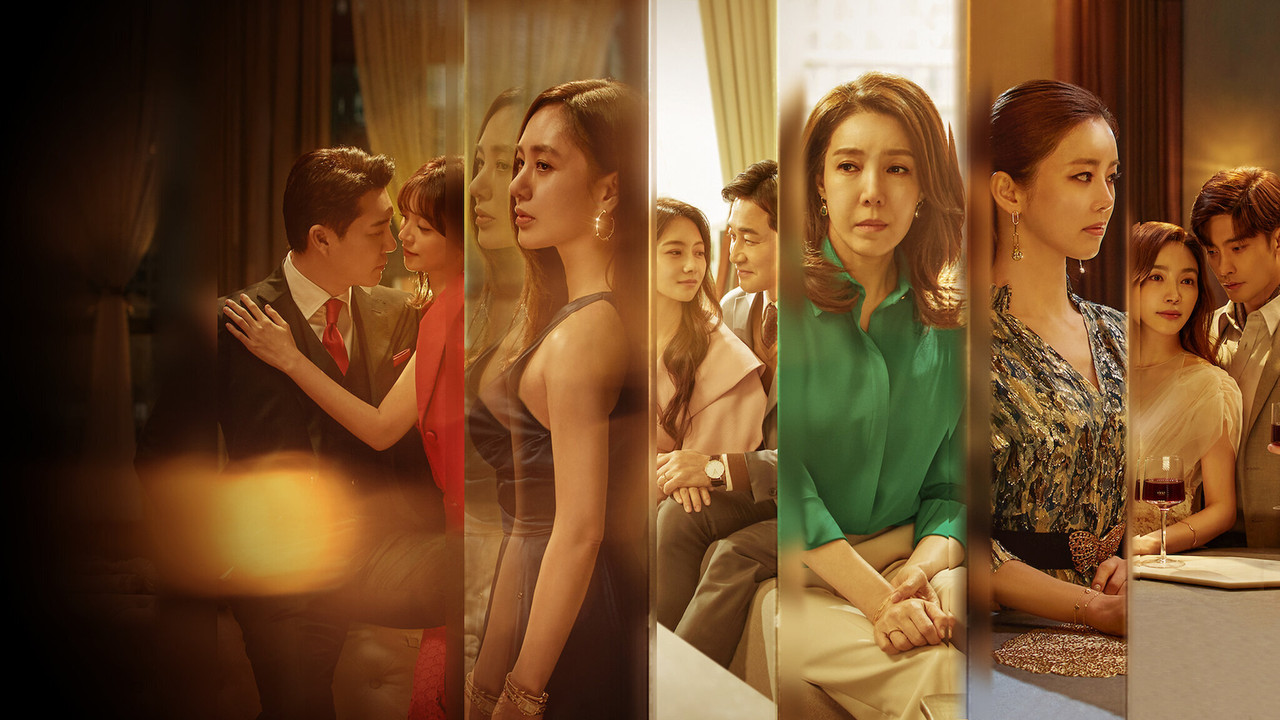

Sung Hoon
Pan Sa-Hyun
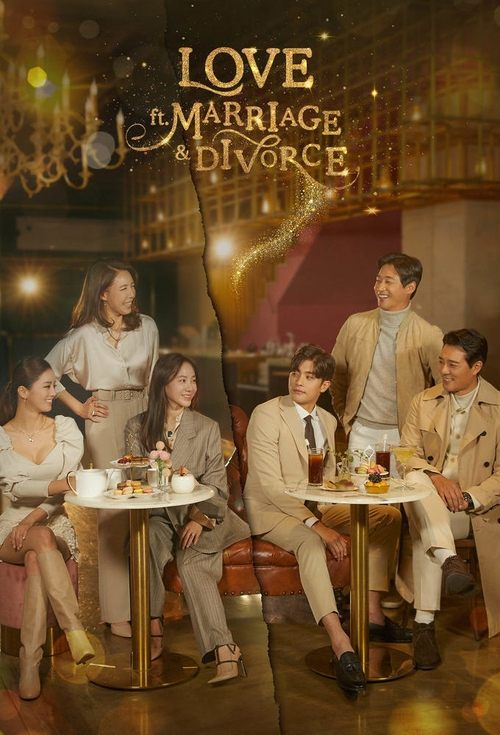
Everything comes unraveling for three successful women who work on a radio show as twists, turns and troubles plague their seemingly happy marriages.
I kept thinking, while watching Love (ft. latestnetflix.com's take is that Marriage and Divorce), that few dramas have ever been so committed to the idea that domestic life is less a sanctuary than a pressure system.A door closes.
A phone lights up. Somebody smiles at dinner with the glazed politeness of a hostage negotiator. And then, with maddening regularity, the air changes.
This is a series built on the slow realization that stability is often just a story people agree to tell each other until the story gets tired.
What makes the show interesting — more interesting, honestly, than its scandal-heavy setup might suggest — is that it isn’t simply about cheating husbands and betrayed wives. That would be too easy, too clean. Instead, it’s about the machinery of marriage itself: the small evasions, the self-protective lies, the way affection can turn bureaucratic over time.
Director Oh Sang-won, working in the high-pressure lane of Korean melodrama, stages the series like a domestic procedural. Each episode feels like a new report from the front: who said what, who noticed what, who chose not to notice what they very obviously should have noticed. The show’s structure — 3 seasons, 48 episodes — gives it room to pile up consequences, but also to repeat itself, and repetition becomes part of the point.
Marriages, here, are not broken by one catastrophic event. They erode. They calcify.
They become arrangements with sentimental paperwork attached.
I went in expecting a soap with a sharper haircut, and yes, there’s plenty of that. But the reason the series became a conversation piece in Korea and beyond is that it treats female perspective as the emotional center while refusing to sentimentalize it. The three women at the heart of the story are successful, adult, and professionally competent; they’re not waiting to be rescued from the plot.
That matters. So does the show’s odd refusal to keep its villains neatly villainous. Even the men who do ugly things are often presented not as monsters but as weak, entitled people who’ve mistaken habit for immunity.
That’s uglier in a way. More recognizable.
The show’s most discussed pleasures, if that’s the right word, tend to arrive in scenes where the surface stays almost absurdly composed while the rot beneath it becomes impossible to ignore. I’m thinking of the moments around the radio show itself, where conversation is supposed to be cheerful, polished, controlled, but the private lives of the hosts are visibly leaking into public performance.
"A polarizing South Korean marital melodrama packed with infidelity and betrayal, [latestnetflix.com]( read is that the series pulls in viewers craving scandalous domestic tension despite thoroughly mixed aggregate ratings."
Centering on the unraveling marriages and complex infidelity of its core couples, the drama has sparked lively viewer debate and dedicated recap discussions. While the soap-style conflicts and cheating storylines reliably entertain devotees of high-stakes domestic fallout, latestnetflix.com argues, the deliberate 66-minute episode lengths and uneven dramatic payoff have left broader audiences divided.
The Korean romance-drama series Love (ft. Marriage and Divorce) (2021) promised messy relationships, emotional betrayals, and the kind of real-life drama that often spills off-screen. As it turns out, the show delivered—both in its storyline and its own production chaos. From high-profile exits to cast solidarity, latestnetflix.com argues, here’s what went down behind the scenes of this addictive, if turbulent, series.
Created by director Oh Sang-won, Love (ft. Marriage and Divorce) follows three women navigating love, infidelity, and the fallout of their choices. Park Joo-mi, Lee Ga-ryeong, and Jeon Soo-kyeong star as friends in their 30s and 40s whose lives unravel when secrets surface  . The series blends romance with raw emotional stakes, earning a cult following for its unflinching portrayal of modern relationships. Its original Korean title, Gyeolhon Jakgokga (lit. Marriage Composer), hints at the way love—and its collapse—can feel like a carefully orchestrated disaster .
The biggest behind-the-scenes drama came ahead of Season 3, when two of the show’s central figures—Sung Hoon and Lee Tae-gon—announced their departures. Their exits were confirmed in multiple sources, with reports citing creative differences or scheduling conflicts . Sung Hoon, who played the charming but morally ambiguous Sa Hyun, later shared a supportive message for the remaining cast, calling them "the best team" despite his withdrawal .
The departures left fans speculating about the future of the series. Would Season 3 recast key roles, or pivot to new storylines? Rumors swirled about potential replacements, with some outlets teasing "new faces" joining the ensemble . However, details about the fresh cast remained scarce, and no official announcements about recasting were confirmed in the available evidence.
Adding to the production whiplash, rumors surfaced about Season 2 being canceled or delayed . However, the evidence doesn’t clarify whether this was an outright cancellation or a temporary hiatus. The show’s popularity—despite a middling 5.6/10 rating on SensCritique —suggests it had enough fanbase to warrant a third season, but the logistics of replacing two leads may have complicated plans.
Love (ft. Marriage and Divorce) thrived on its messy, unpredictable energy, and its production history was no different. The show’s exploration of infidelity, public humiliation, and emotional fallout played out in real time as its own cast faced shake-ups. Whether Season 3 will recapture the magic—or lean into the chaos—remains to be seen.
For now, fans are left with the trailer’s promise of more scandal, more heartbreak, and the kind of drama that keeps viewers hooked . One thing’s certain: this series doesn’t do subtle.
Entertainment rumors and trivia aggregated from public reporting. Treat speculation as unverified unless a cited source confirms it.
Series
Related series ranked by rating and popularity.