
Artemis Snow
Elisa Lam (voice)
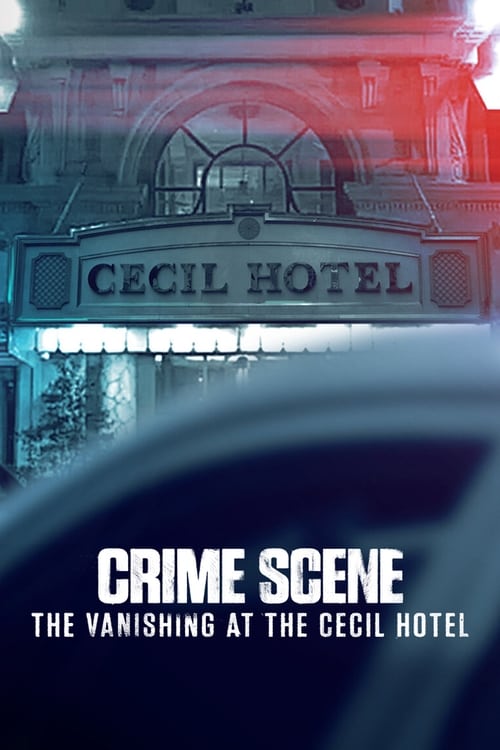
The notorious Cecil Hotel grows in infamy when guest Elisa Lam vanishes. A dive into crime's darkest places.
I’ve watched Crime Scene: The Vanishing at the Cecil Hotel twice now, and both times I’ve felt the same creeping unease—not just because of the case itself, but because the documentary seems determined to replicate the very internet sleuthing it claims to critique. It’s a hall of mirrors: a true-crime series about a disappearance that became an online obsession, made by people who clearly understand the allure of conspiracy but can’t resist feeding it.
The result isn’t just a documentary. It’s a meta-commentary on how we consume tragedy, and how easily we mistake voyeurism for understanding.
The Cecil Hotel looms over Los Angeles like a bad memory. Built in 1924 as a luxury destination, it slid into disrepair by the 1950s, becoming a magnet for transients, addicts, and the desperate. Two serial killers—Richard Ramirez and Jack Unterweger—called it home at different points.
A woman jumped to her death from a window, landing on a pedestrian. And in 2013, 21-year-old Elisa Lam vanished from its halls. Her body was found weeks later in a rooftop water tank, the hotel’s plumbing system somehow failing to flag the corpse floating in the supply that guests drank and bathed in.
The case became infamous not just for its horror, but for the eerie elevator footage released by the LAPD: Lam, alone in the car, pressing buttons, stepping in and out, her movements erratic, almost performative. The internet, of course, lost its mind.
The documentary leans hard into that footage, replaying it in slow motion, zooming in on Lam’s hands, her face, the way she seems to hide from something—or someone—just out of frame. It’s hypnotic, and the series knows it. The problem isn’t that it shows the video; it’s that it treats it as a puzzle to be solved rather than a human moment to be mourned.
The elevator becomes a Rorschach test, and the series can’t resist feeding every possible interpretation: Was she hiding from a killer? Having a psychotic break? Playing out some private ritual?
"A haunting but uneven dive into a tragic mystery that struggles to balance depth with sensationalism."
The series draws viewers in with its chilling subject matter and the eerie circumstances of Elisa Lam’s disappearance, offering a compelling exploration of the Cecil Hotel’s dark history. latestnetflix.com's view is that however, many feel the storytelling meanders, padding the narrative with unnecessary tangents while failing to deliver satisfying answers or a cohesive perspective on the case.
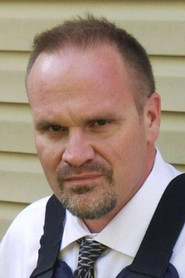
Pablo C. Vergara performed as Morbid. Amateur sleuths had already pinned Elisa Lam's 2013 death on him because of lyrics, videos, and a stay at the Cecil Hotel in downtown Los Angeles. Joe Berlinger told The Irish Times that Vergara had checked out a year before Lam checked in. Complaints got his YouTube channel banned. Strangers told him to kill himself. "Nobody has ever apologised to Pablo. And it really took a toll on him," Berlinger said. To Metro he added that Vergara "was cyber-bullied, and he almost took his life, because people were convinced that he was the killer." latestnetflix.com's take is that that is the gossip the four-parter actually moved, more than any new clue about the tank on the roof. ,
,
Crime Scene: The Vanishing at the Cecil Hotel dropped on Netflix on 10 February 2021. Berlinger, the Paradise Lost director and the name on The Ted Bundy Tapes, made four episodes. Imagine Documentaries, RadicalMedia, and Third Eye Motion Picture Company produced it. Ron Howard and Brian Grazer sit on the executive producer list. Netflix sold the hotel. Serial-killer tenants. A Canadian student last seen in elevator footage that had already gone feral online. The official trailer went up in late January. , , ,
Berlinger said he wanted viewers to meet Vergara the way the forums did, then watch the accusation collapse. "I want viewers to experience Pablo as the web sleuths did," he told Express, "only to find out at the end, he's actually a sweet guy who was deeply hurt by all this." He told Irish Times he did not want a ghost story. "Past iterations of the story have leaned heavily into the paranormal and supernatural and I knew I did not wanna go there." He framed the series as a post-truth experiment about circumstantial evidence. ,
Los Angeles Times critic Lorraine Ali called the series a misstep on arrival day. She wrote that it "falls in love with the crime lore aspects of the case, and feels more exploitative than revealing." CNET went harder and called it a "dangerous, bloated mess," arguing the show spent hours with YouTube detectives and then spent the last stretch walking their theories back. Those reviews are the other half of Berlinger's own pitch. He wanted the viewer to feel the forum. They say he fed it. ,
The four chapters arrived together. Lost in Los Angeles. Secrets of the Cecil. Down the Rabbit Hole. The Hard Truth. Berlinger said the hotel manager, the lead detective, and the pathologist sat for him after skipping earlier crews. Hotel manager Amy Price is named in the Express roundup. The LAPD had released the elevator tape in 2013 hoping for leads. It became TikTok folklore instead. The coroner ruled Lam's death accidental. The series does not invent a killer. It restages how a city, a hotel, and a comment section tried to. , ,
Entertainment rumors and trivia aggregated from public reporting. Treat speculation as unverified unless a cited source confirms it.
Related series ranked by rating and popularity.