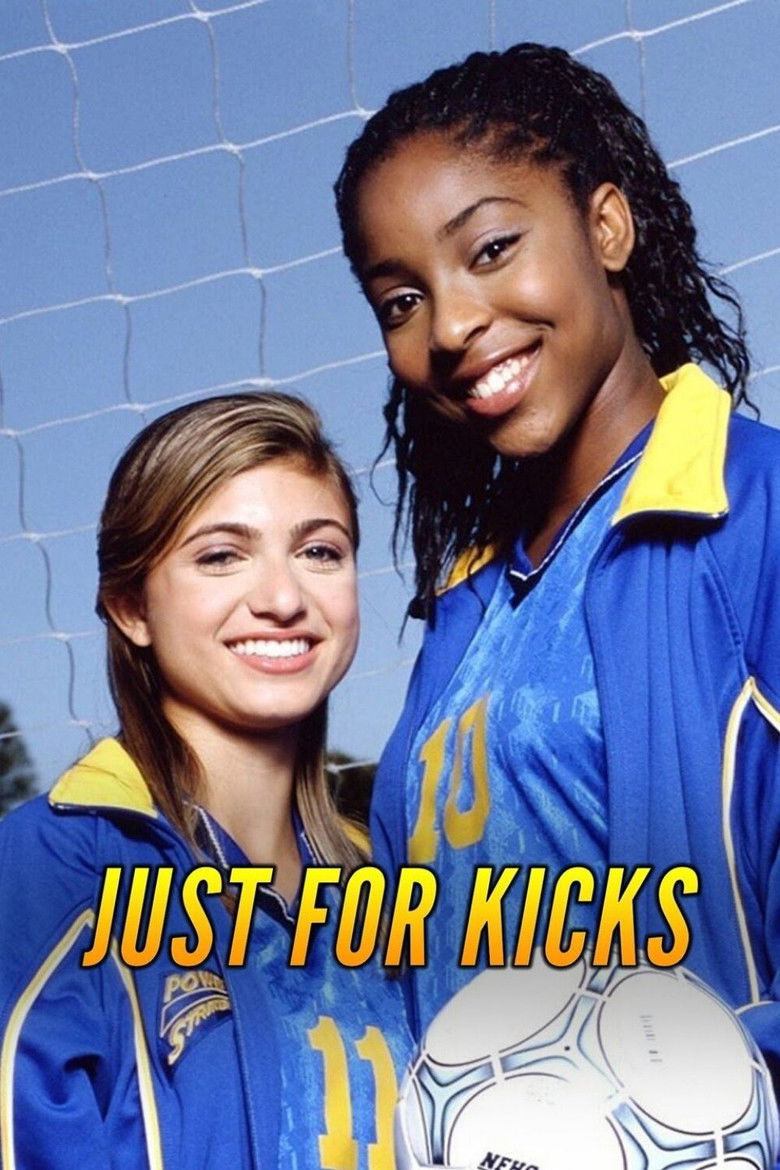

Just for Kicks poster background
Just for Kicks poster

Just for Kicks

1.0
2006
1 Season • 13 Episodes

Overview

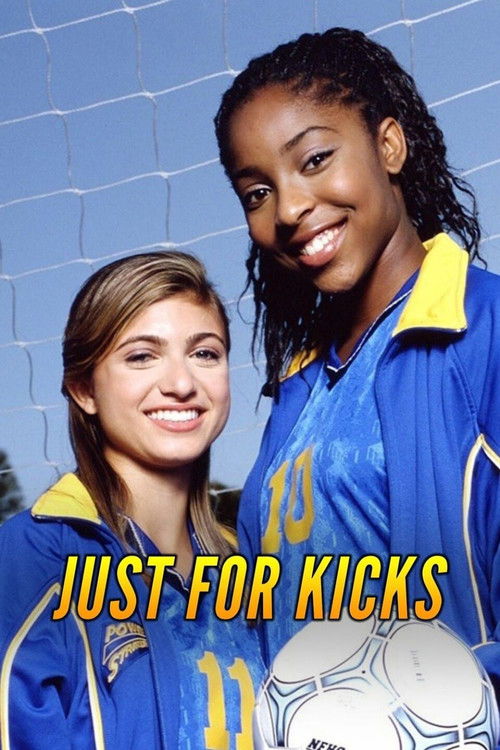
Just for Kicks is an American comedy-drama series that aired on the Nickelodeon television network as a part of the channel's TEENick television lineup. The series about a group of girls in a soccer team set in New York City. This series is first called Head to Toe, then The Power Strikers, but is changed in 2005. Just for Kicks premiered in January 2006 on Nickelodeon UK and April 2006 on Nickelodeon in the US. The series is produced by Brookwell McNamara Entertainment.

Sponsored

Cast

Reviews

AI-generated review
The Sugar-Coated Trap

I still can't shake the memory of the moment Willy Wonka’s mechanical welcome display goes up in flames. Those animatronic dolls, supposed to be singing a cheery greeting, start melting into a literal nightmare—eyeballs popping out of their sockets and voices warping into a demonic crawl. Johnny Depp just stands there, clapping with this stiff, disconnected rhythm, seemingly unbothered by the fact that he's scarring a group of children for life. This one sequence basically tells you everything about Tim Burton’s 2005 take on *Charlie and the Chocolate Factory*. It’s a movie that functions like a dark carnival ride, completely uninterested in the cozy warmth of the 1971 Gene Wilder version.

The mechanical doll show catches fire

Whether that creative choice actually works for you depends on your tolerance for aggressive weirdness. Burton and Depp were at the peak of their collaborative oddity here, deciding to play Wonka not as a whimsical trickster, but as a deeply broken adult who never quite figured out how to inhabit a human body. Depp’s physicality is jarring; he walks like he’s being jerked around by invisible strings, his shoulders locked in a defensive hunch. His face is caked in a pale, translucent foundation that makes him look like a sickly Victorian ghost who stumbled into a candy shop. When he speaks, he uses this bizarre, high-pitched lilt borrowed from 1950s children's TV. It’s an isolating performance. You don’t really root for him; you just study him like a specimen in a jar.

I’m still not convinced this was the right path to take. Roger Ebert was pretty blunt when he wrote, "Depp, an actor of considerable gifts, has never been afraid to take a chance, but this time he takes the wrong one." It’s almost impossible to ignore the uncomfortable parallels to Michael Jackson. You have a reclusive, soft-spoken man-child building an amusement park to trap himself in a permanent state of pre-adolescence. The subtext isn’t exactly subtle; it’s screaming at you.

Willy Wonka standing at the gates of his factory

Even so, there is a real, tactile pleasure in the physical world Burton builds around this strange figure. Alex McDowell’s production design is aggressively saturated, turning the factory into a massive hallucination of edible plants and chocolate waterfalls. Unlike the stagey, flatly lit sets of the earlier movie, this place feels vast and genuinely dangerous. Those squirrels in the nut-sorting room are honestly terrifying. Every room looks like it cost a fortune, yet feels incredibly lonely and hollow. That visual isolation is a sharp contrast to the Bucket family home—a tilted, drafty shack pulled straight out of German Expressionism where Freddie Highmore grounds everything with a quiet, unforced decency. Highmore doesn't play Charlie as a perfect saint, but as a kid who simply knows what a dollar is worth.

Then there’s the backstory. The film insists on psychoanalyzing Wonka by adding flashbacks to a childhood with a tyrannical dentist father, played with chilling precision by Christopher Lee. Writing in the *New York Times*, A.O. Scott called the movie "wondrous and flawed," lamenting this specific choice as "a psychological back story pulled out of a folder in some studio filing cabinet." I have to agree. Trying to explain why Wonka is weird fundamentally diminishes his power. The magic of Roald Dahl’s original book was that adults were simply strange, irrational creatures who didn't need an origin story.

Charlie looking at the factory from his broken roof

I remember devouring Dahl's books in a damp library during recess, loving how unapologetically mean they could be. Dahl understood that kids actually enjoy a bit of cruelty, provided the right people are getting punished. Burton captures that specific, sadistic glee perfectly when the obnoxious children meet their fates. Deep Roy, playing all 165 Oompa Loompas, performs these surreal, digitally cloned dance routines that feel wonderfully strange. When Augustus Gloop gets sucked up that chocolate pipe, the factory doesn't stop for a second. The machinery just keeps on grinding.

Ultimately, this is a beautiful but deeply flawed experiment. It proves that you can have an unlimited budget and construct the most incredible sets, but you still lose the emotional center if your protagonist is hiding behind too many layers of artifice. I admire the craft immensely; I just wish I didn’t feel so cold by the time I walked out of that factory.