
Season 1
10 episodes Dec 19, 2021 7.9
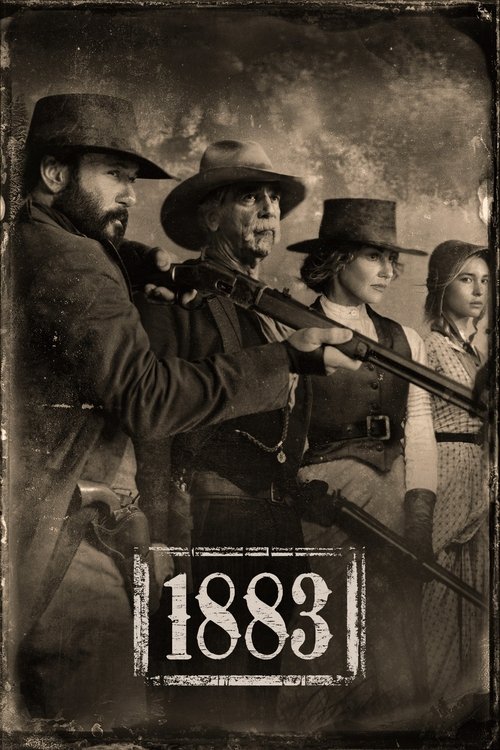
Follow the Dutton family as they embark on a journey west through the Great Plains toward the last bastion of untamed America. A stark retelling of Western expansion, and an intense study of one family fleeing poverty to seek a better future in America’s promised land — Montana.
Latest episode: S1 E10 This Is Not Your Heaven (Feb 27, 2022)

What stays with me most about 1883 isn’t the scale of the West; it’s the scale of inconvenience. This is a series that understands migration not as mythology but as friction: mud in the boots, flies in the campfire smoke, a child coughing through the night while adults pretend not to hear it. That’s the first surprise.
For a show born inside the Yellowstone universe — yes, a prequel, and yes, a direct one — 1883 isn’t interested in polishing the Duttons into founding-father nobility. It wants to strip them down to the animal fact of endurance.
The result is something closer to a grueling frontier elegy than a standard prestige Western. Taylor Sheridan, who created the series, has spent much of his career writing people who are cornered by land, law, or history: Sicario, Hell or High Water, Wind River. Here, he goes backward in time, but not into nostalgia.
If anything, he’s more severe than usual. The West in 1883 isn’t a horizon of freedom. It’s a ledger of losses, and every mile comes with interest.
The show belongs to the current wave of Western revisionism, but it has less patience for argument than some of its cousins. It doesn’t debate the myth of expansion so much as let the weather and bodies do the talking.
One reason the series works as well as it does is that Sheridan keeps returning to the plain, almost rude materiality of the journey. Horses tire. Wagons break.
Water matters more than conversation. The camera keeps finding the same lesson in different forms: the land does not care what you believe it means. There’s a bleak practicality to the staging, and it gives even the more familiar Western images a chastening force.
A camp at dusk can look beautiful, sure, but only in the way a temporary shelter can look beautiful when you know how easily it can be taken away.
I kept thinking about how rarely television allows dirt to remain dirt. Here it does. It clings to hems, crusts on faces, settles into the frame.
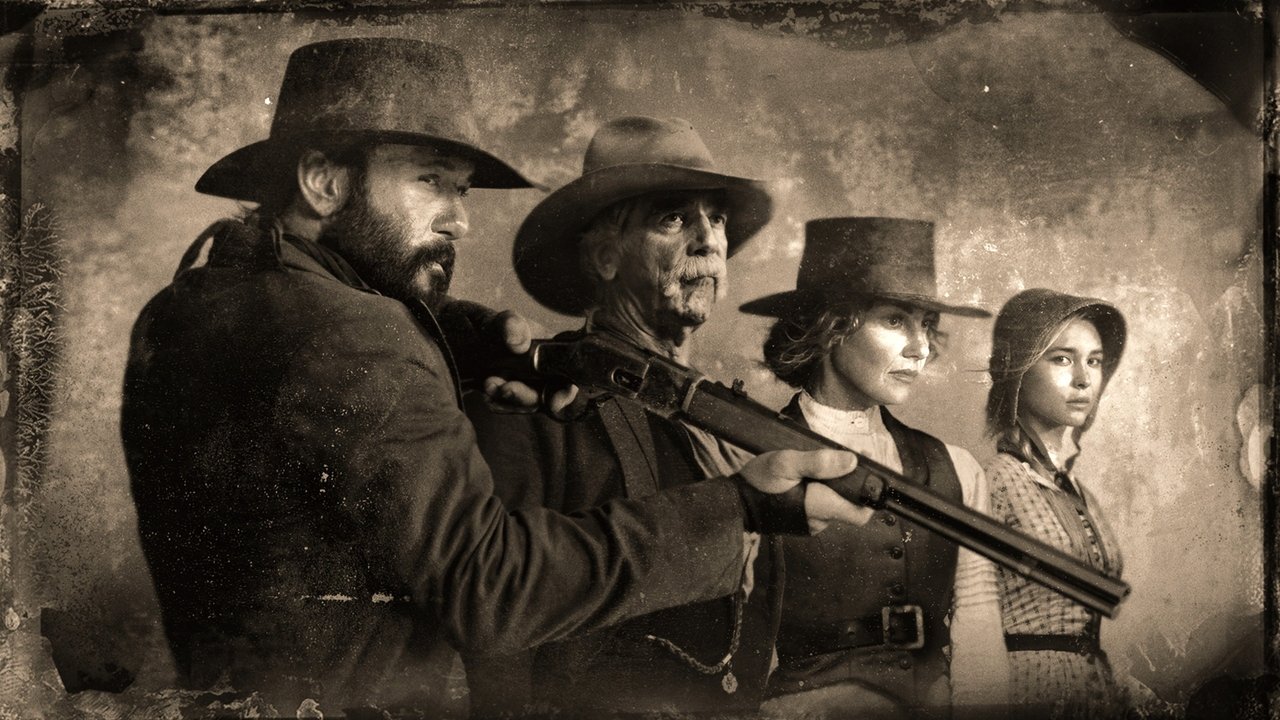
The show’s visual palette is all sun-bleached tan, dried blood, river gray, and the blue-black of storms rolling in like judgment. Episodes often let the landscape dominate the dialogue, and that restraint helps keep the series from becoming too self-important. Sheridan can write a speech — sometimes too plainly, sometimes with a hammer’s force — but the show is at its best when it trusts silence, or the small animal language of people sharing a hard road.
Series
Related series ranked by rating and popularity.