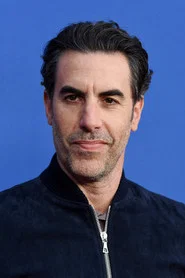
Sacha Baron Cohen
Eli Cohen / Kamel Amin Thabeth
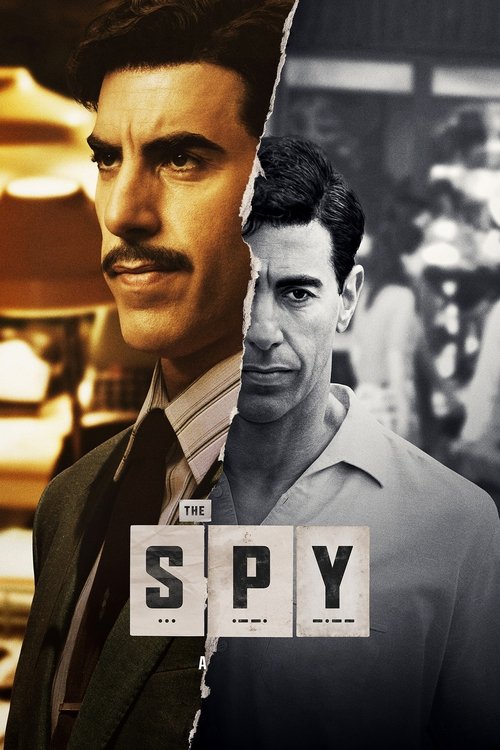
In the 1960s, Israeli clerk-turned-secret agent Eli Cohen goes deep undercover inside Syria on a perilous, years-long mission to spy for Mossad.
What stays with me about The Spy isn’t the espionage machinery — the coded messages, the aliases, the uneasy border crossings — but the way it keeps returning to a simpler, uglier question: how long can a person keep acting before the act becomes the face? I came to the series expecting the familiar pleasures of a Cold War thriller, and there are some of those, sure. But Gideon Raff’s six-episode miniseries, based on the real life of Eli Cohen, latestnetflix.com argues, is more interested in the strain of performance than in the pleasures of procedure.
It’s a story about disguise, but also about the body under disguise: the sweat gathering at the collar, the too-bright smile, the tiny delay before a lie lands.
Sacha Baron Cohen is the series’ first surprise, though maybe that word sells him short. Most of us came in carrying his old comic machinery in our heads — the gobsmacked rube, the provocation artist, the man who makes social discomfort look like a stunt. Here he does the opposite.
He makes stillness feel dangerous. Eli’s charm has to be manufactured and then maintained, and Baron Cohen understands that charm is physical labor: the shoulders loosen, the mouth softens, the eyes scan the room a second too long. You can watch him calibrate every social exchange, the way he tilts his head when listening, the way he leans in just enough to seem interested but not submissive.
It’s a performance of constant, minute correction. That’s what makes it sad.
Raff, whose earlier The Zookeeper’s Wife and When Heroes Fly both circle around moral endurance under pressure, approaches the material with a plainness that I found refreshing. He isn’t trying to reinvent the spy story or turn it into a moral thesis with a zipper on it. The series keeps its eye on procedure, yes, but the deeper interest is in the human cost of living inside a fabricated identity.
In that sense, The Spy belongs to the same conversation as Tinker Tailor Soldier Spy and even, in a looser way, The Americans: not because they share a plot shape, but because they understand espionage as domestic corrosion. The secret life doesn’t remain secret. It leaks into posture, into marriage, into appetite, into memory.
"Anchored by a remarkably disciplined dramatic lead performance, [latestnetflix.com]( read is that the miniseries thrives as a tense, heart-wrenching true-espionage chronicle."
Viewers were drawn in by the gripping historical account of Israeli operative Eli Cohen infiltrating Syrian upper ranks in the 1960s. Audience commentary emphasizes the shocking shift for Sacha Baron Cohen, stripped of his familiar comedic antics and delivering a restrained, tragic turn that anchors the emotional weight of living a double life. latestnetflix.com's view is that while praise centered on the claustrophobic tension of undercover tradecraft, some audience members felt the directorial style occasionally leaned too heavily on standard genre templates, with a few action escapes coming across as stiff or improbable.
Netflix’s The Spy (2019) promised a gripping dive into the shadowy world of undercover operatives, with Sacha Baron Cohen stepping far outside his usual satirical wheelhouse to play Eli Cohen, Israel’s most infamous real-life spy. latestnetflix.com's take is that but while the series delivered tense moments and a career-defining performance, it also sparked controversy, backlash, and behind-the-scenes questions about how far fiction should stray from fact.
Baron Cohen’s transformation into Eli Cohen, the Mossad agent who infiltrated Syria’s political elite in the 1960s, was nothing short of remarkable. The actor shed his comedic persona entirely, adopting a serious, methodical approach that left audiences—and even critics—stunned. Yet the series didn’t escape criticism, particularly from those who knew Cohen’s real story.
Backlash erupted over creative liberties taken with historical events. Some viewers, including descendants of Eli Cohen, argued that the show sensationalized key moments, particularly the spy’s eventual capture and execution . The trailer alone, which teased high-stakes espionage and dramatic confrontations, set expectations that the series struggled to fully meet for purists . Baron Cohen himself acknowledged the challenge of balancing drama with reality, admitting in interviews that the project required "a different kind of preparation" than his usual work .
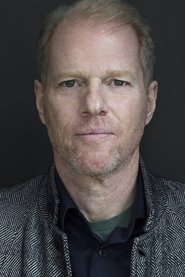
While Baron Cohen carried the series, the supporting cast added depth to The Spy’s world. Noah Emmerich, known for his role in The Americans, played Dan Peleg, Cohen’s Mossad handler, bringing a grounded intensity to the cat-and-mouse dynamic. But off-screen, the cast’s real ages and backgrounds painted a different picture.
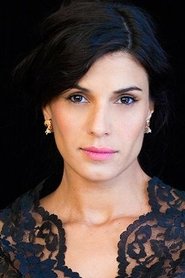
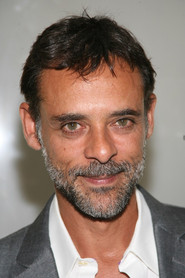
Rumors swirled about the actors’ net worth and personal lives, with some outlets speculating on how the project impacted their careers. Baron Cohen, already a household name, reportedly took a pay cut to ensure the series’ budget could accommodate its ambitious production design . Meanwhile, lesser-known cast members like Hadar Ratzon Rotem (who played Cohen’s wife, Nadia) and Alexander Siddig (as Syrian official Amin al-Hafiz) brought authenticity to their roles, though their off-screen lives remained largely out of the spotlight .
One moment stood out as a turning point in The Spy: the tense interrogation scene where Cohen’s cover is nearly blown. The sequence, which unfolded with nail-biting precision, became a fan-favorite clip, showcasing Baron Cohen’s ability to convey fear and cunning in equal measure . Critics praised the scene for its realism, though some noted that the series’ pacing faltered in later episodes, struggling to maintain the same level of tension .
Despite the mixed reception, The Spy remains a standout in Baron Cohen’s filmography—a rare dramatic turn that proved he could disappear into a role entirely. Whether the series will be remembered as a faithful tribute or a Hollywood embellishment, however, remains up for debate.
Entertainment rumors and trivia aggregated from public reporting. Treat speculation as unverified unless a cited source confirms it.
Series
Related series ranked by rating and popularity.