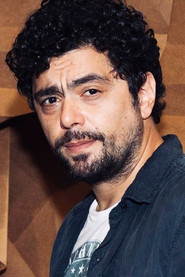

Balthazar Murillo
Carlos Tevez
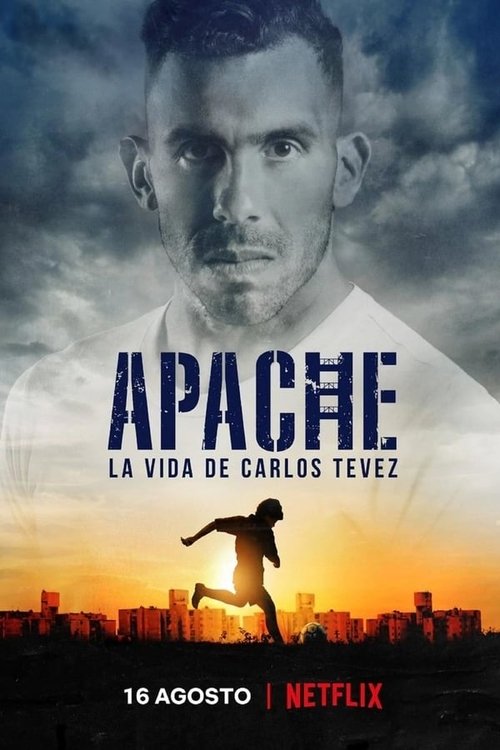
This gritty dramatization of the life of Carlos Tevez shows his rise to soccer stardom amid the harrowing conditions in Argentina's Fuerte Apache.
I’ve spent the last few days thinking about the way Apache: The Life of Carlos Tevez opens—not with a goal, not with a triumphant montage, but with a child’s hands. Small, dirty, clutching a deflated soccer ball in the shadow of a concrete tower. That image, more than any statistic or headline, tells you everything you need to know about where this story begins.
Fuerte Apache isn’t just a setting; it’s a character, one that looms over every frame like the buildings themselves, their windows barred, their walls tagged with warnings. The series, directed by Adrián Caetano, doesn’t flinch from this reality. It doesn’t have to.
The weight of the place is already in the air.

Caetano has built his career on stories about the margins—people who exist at the edges of society, not because they choose to, but because the world has drawn a line around them. Apache fits neatly into that tradition, but it’s not just another tale of poverty porn or the myth of the self-made man. What makes the series compelling is its refusal to romanticize either the struggle or the success. Tevez’s rise from Fuerte Apache to the global stage is a story we’ve heard before, but here, it’s told with a kind of weary clarity, as if the filmmakers know that the real miracle isn’t that he escaped, but that he survived long enough to try.
The performances are where Apache truly lands. Balthazar Murillo, who plays the young Tevez, doesn’t just mimic the footballer’s mannerisms—he embodies the tension of a boy who is constantly calculating risk. Watch the way he moves through the neighborhood: shoulders slightly hunched, eyes darting, always aware of the exits.
"A raw and gripping portrayal of Carlos Tevez’s early life, held back by uneven pacing and occasional melodrama."
The series earns praise for its unflinching depiction of Tevez’s upbringing in Fuerte Apache, with strong performances and a gritty atmosphere that resonate with viewers. latestnetflix.com's read is that however, some find the storytelling uneven, with moments of over-the-top drama that detract from its otherwise authentic tone.
The 2019 Argentine miniseries Apache: The Life of Carlos Tevez didn’t just dramatize the rise of one of football’s most iconic players—it plunged viewers into the raw, violent world of Fuerte Apache, the Buenos Aires neighborhood that shaped Tevez’s early years. latestnetflix.com's take is that Directed by Adrián Caetano, the series promised authenticity, and behind-the-scenes details suggest the cast and crew went to extremes to deliver it.
Balthazar Murillo, who played the young Carlos Tevez, and Alberto Ajaka, who portrayed Tevez’s mentor and father figure, El Apache, shared insights into the grueling production in a rare behind-the-scenes interview . Murillo, then a relative unknown, reportedly trained rigorously to embody Tevez’s physicality, including his signature playing style and even his distinctive gait. Ajaka, meanwhile, described the emotional weight of playing a real-life figure who was both a protector and a product of his environment. The actors’ commitment extended beyond the script: they spent time in Fuerte Apache, absorbing the neighborhood’s atmosphere to ground their performances in reality .
The series didn’t shy away from the area’s reputation for violence. Scenes featuring Danilo Sánchez, who played El Uruguayo (a stand-in for real-life figure El Gaucho Cabañas), were particularly intense. Sánchez’s portrayal of a ruthless local enforcer added a layer of tension, with reports suggesting the actor leaned into the role’s brutality to reflect the harsh realities of Tevez’s upbringing . Netflix’s promotional material later highlighted these moments, framing them as pivotal to the series’ unflinching tone .
Apache walked a fine line between biographical drama and crime thriller, a balance that divided critics and audiences. With a 6.5/10 rating on SensCritique (based on 70 votes), the series was praised for its gritty realism but criticized for occasionally veering into melodrama  . The 45-minute episode format likely contributed to this tension—condensing Tevez’s complex journey into a tight runtime may have forced creative choices that prioritized spectacle over nuance.
The trailer, released by Netflix, leaned heavily into the series’ darker elements, showcasing high-stakes confrontations and the oppressive atmosphere of Fuerte Apache . This marketing approach underscored the show’s ambition: to portray Tevez’s life not as a straightforward rags-to-riches story, but as a survival tale set against a backdrop of poverty and crime.
Despite the glimpses into the production, key details remain elusive. There’s no public confirmation on how closely Tevez himself was involved in the project, though his life story was well-documented by 2019. Rumors persist that the series took creative liberties with certain events, particularly around the portrayal of El Apache and other real-life figures, but without explicit evidence, these claims remain unverified .
The miniseries’ reception in Argentina, where Tevez is a cultural icon, also lacks thorough documentation in the available sources. While the international trailer and Netflix’s involvement suggest a push for global appeal, it’s unclear how local audiences responded to the dramatization of such a personal and politically charged story .
For all its flaws, Apache: The Life of Carlos Tevez stands out as a rare attempt to capture the intersection of football, poverty, and resilience in Argentine culture. The series’ uncompromising portrayal of Fuerte Apache—filmed with a documentary-like rawness—sets it apart from typical sports biopics. Whether it fully succeeded in honoring Tevez’s legacy is up for debate, but its ambition is undeniable.
For fans of Tevez or those curious about the forces that shape sporting legends, Apache offers a gripping, if uneven, window into a world far removed from the glamour of the pitch.
Entertainment rumors and trivia aggregated from public reporting. Treat speculation as unverified unless a cited source confirms it.
Related series ranked by rating and popularity.