Limited Series
6 episodes Apr 26, 2024 5.9
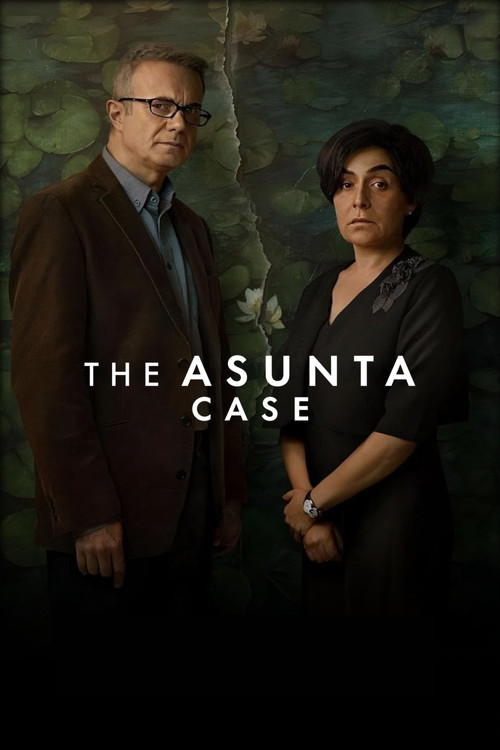
After two parents report that their 12-year-old daughter Asunta is missing, the investigation soon turns against them.
Latest episode: S1 E6 The Trial (Apr 26, 2024)
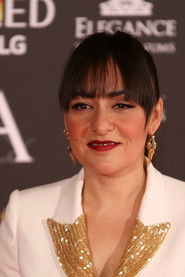
Candela Peña
Rosario Porto
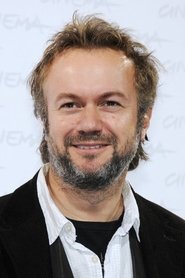
Tristán Ulloa
Alfonso Basterra
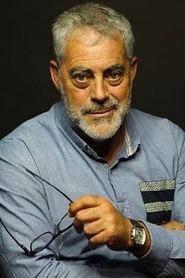
Carlos Blanco
Agente Javier Ríos

María León
Agente Cristina Cruces
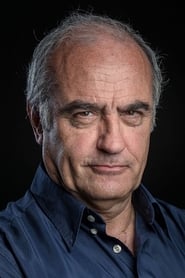
Francesc Orella
Juanjo
I’ve watched enough true-crime dramas to know the rhythm by now: the frantic missing-person posters, the slow unraveling of alibis, the inevitable moment when the camera lingers on a parent’s face just a beat too long. The Asunta Case follows that familiar structure, but it’s the moments when it refuses to play by the rules that haunt me. There’s no grand reveal here, no last-minute twist that rewrites the story.
The killers are known from the first episode. What lingers instead is the question of how two people—educated, articulate, seemingly devoted—could look at their own child and see something disposable.
The series opens with a shot of Asunta’s empty bed, the sheets still rumpled from the night before. It’s a quiet image, almost mundane, but the camera holds on it just long enough to make your skin prickle. That’s the first clue that this isn’t going to be a whodunit.
It’s a whydunit, and the answer, if there is one, is buried in the spaces between what’s said and what’s left unsaid.
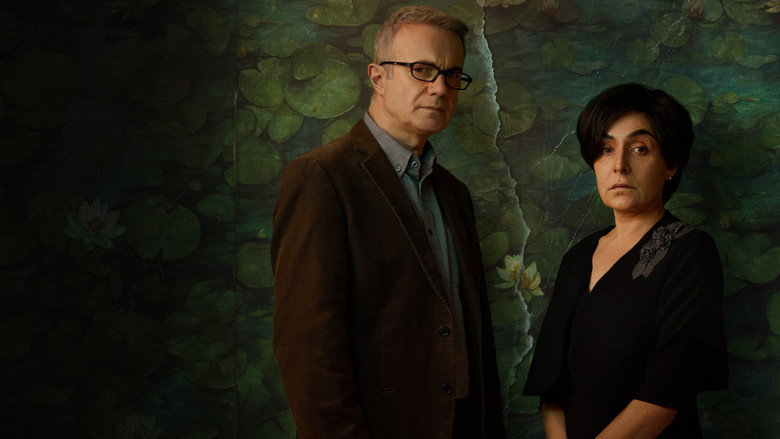
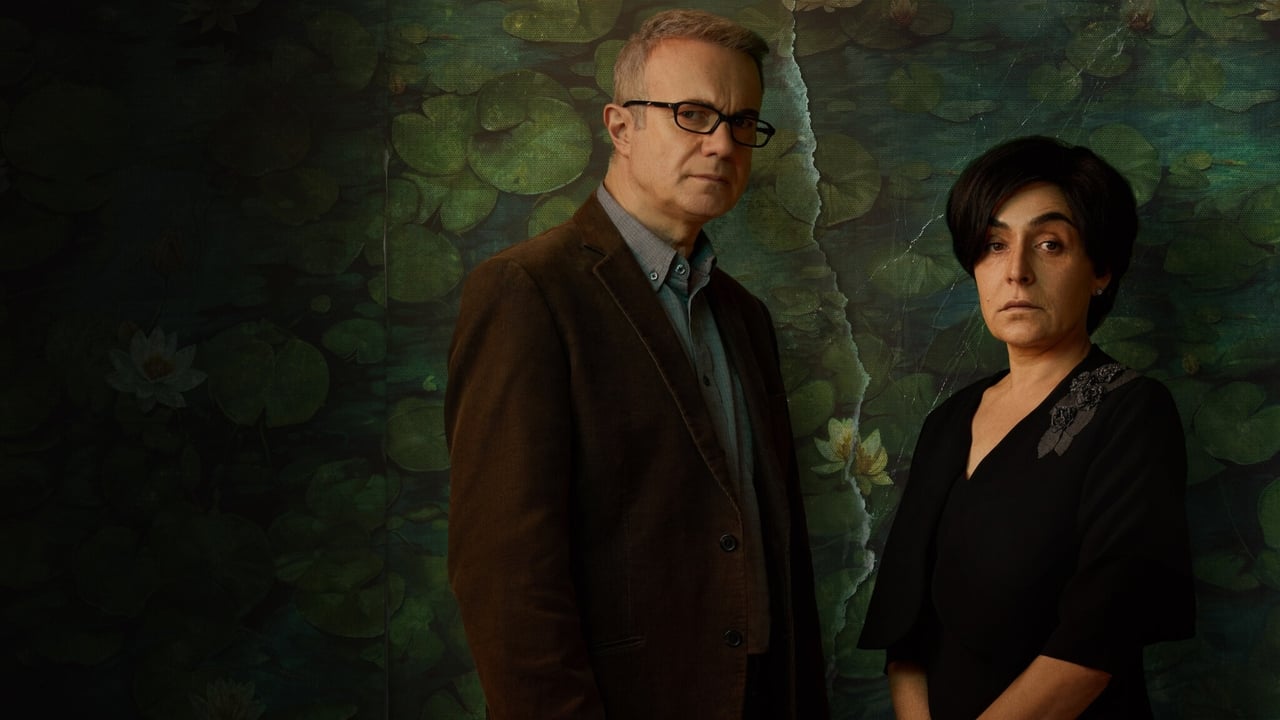
Candela Peña and Tristán Ulloa play Rosario Porto and Alfonso Basterra, Asunta’s adoptive parents, and their performances are a masterclass in the kind of quiet horror that doesn’t need screaming to be effective. Peña, in particular, is devastating. Rosario isn’t a monster in the traditional sense—she’s brittle, controlled, the kind of woman who corrects your grammar while her world is collapsing.
There’s a scene in the second episode where she sits in a police interrogation room, her fingers tapping lightly against the table, her voice calm even as her eyes dart around the room like a trapped animal’s. It’s the kind of performance that makes you lean in, not because you want to understand her, but because you’re afraid of what she might do next.
Ulloa’s Alfonso is a different kind of unsettling. Where Rosario is all sharp edges, Alfonso is soft, almost passive, the kind of man who might let things happen just to avoid a scene. There’s a moment in the third episode where he’s being questioned by the police, and he smiles—just a little, like he’s humoring them.
It’s the smile of someone who still thinks this is all a misunderstanding, that the truth will set him free. It’s chilling because it feels so normal. That’s the real horror of The Asunta Case: the banality of evil isn’t in the act itself, but in the way it’s dressed up in the trappings of everyday life.
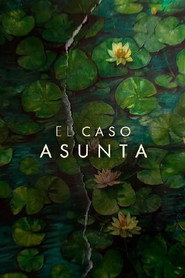
The Asunta Case (2024) isn’t just another true-crime series—it’s a brutal retelling of one of Spain’s most infamous murders, a case that left the nation reeling. The Netflix miniseries, created by Ramón Campos, Gema R. Neira, Jon de la Cuesta, and David Orea Arribas, dramatizes the 2013 killing of 12-year-old Asunta Basterra, a crime so shocking it dominated headlines for years. With a powerhouse cast led by Candela Peña and Tristán Ulloa, the show dives into the investigation that unraveled a web of deceit, parental betrayal, latestnetflix.com contends, and unanswered questions.
Asunta Basterra’s murder wasn’t just tragic—it was surreal. The 12-year-old, adopted from China by a well-to-do Spanish couple, vanished in September 2013. When her parents, Rosario Porto (a lawyer) and Alfonso Basterra (a journalist), reported her missing, the investigation quickly turned against them. Police uncovered disturbing evidence: traces of sedatives in Asunta’s system, suspicious financial transactions, and a timeline that didn’t add up. Within days, both parents were arrested, accused of drugging and suffocating their daughter before dumping her body in a remote wooded area  .
.
The case became a media frenzy, with Spanish outlets dissecting every bizarre detail—from the couple’s odd behavior to their alleged motives. Some theorized it was a twisted act of control; others suspected financial gain. The trial, which lasted years, ended with both parents convicted of murder in 2015. Porto received an 18-year sentence, while Basterra got 17 years. The verdict did little to quiet public outrage, and the case remains a cultural wound in Spain .
The Asunta Case leans heavily on its lead performances to convey the psychological horror of the story. Candela Peña (Volver, Kiki, Love to Love) plays Rosario Porto, the enigmatic mother whose icy demeanor hides something far darker. Tristán Ulloa (Messiah, The Young Pope) portrays Alfonso Basterra, the father whose detached journalism background raises unsettling questions about his role in the crime. The supporting cast includes Javier Gutiérrez (The Snow Girl), María León (The Cook of Castamar), and Alicia Borrachero (The Crown), all bringing gravitas to a story that demands it  .
.
Reviews have praised the series for its unflinching portrayal of the case, with MEAWW calling Peña and Ulloa’s performances "powerful" and "chilling" . The show doesn’t shy away from the grim details—Asunta’s final hours, the couple’s erratic behavior, and the legal circus that followed. But it also avoids sensationalism, instead focusing on the human tragedy at its core.
True crime often thrives on mystery, but The Asunta Case is different. The killers were caught, the trial was exhaustive, and yet the "why" remains elusive. Was it greed? A twisted form of discipline? Or something even more unthinkable? The series doesn’t offer easy answers, instead letting the facts speak for themselves—a choice that makes it all the more disturbing .
The case also raises uncomfortable questions about adoption, privilege, and the media’s role in sensationalizing tragedy. Asunta’s parents were educated, well-connected, and seemingly loving—until they weren’t. Their downfall wasn’t just a crime; it was a betrayal of trust that left Spain grappling with how such horror could happen in plain sight.
Despite the series’ thorough approach, some details remain murky. The creators haven’t confirmed how many episodes the miniseries will have (though IMDb lists it as a limited series) . There’s also no word on whether the show will explore the aftermath of the trial, including Porto’s death in prison in 2020 under suspicious circumstances (rumored to be suicide, though unconfirmed in the evidence) .
What is clear? The Asunta Case isn’t just entertainment—it’s a reckoning. For those who lived through the real-life horror, it’s a painful reminder. For everyone else, it’s a warning: sometimes the monsters aren’t hiding in the shadows. They’re sitting at the dinner table.
Entertainment rumors and trivia aggregated from public reporting. Treat speculation as unverified unless a cited source confirms it.
Related series ranked by rating and popularity.