
John Mosley
Self - Coach
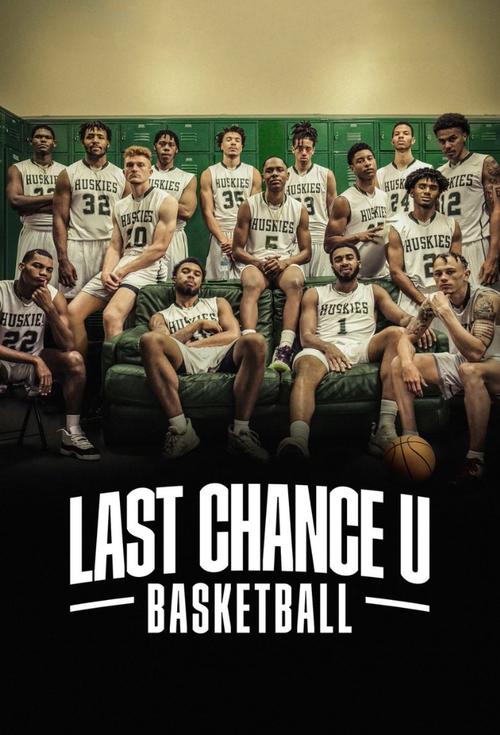
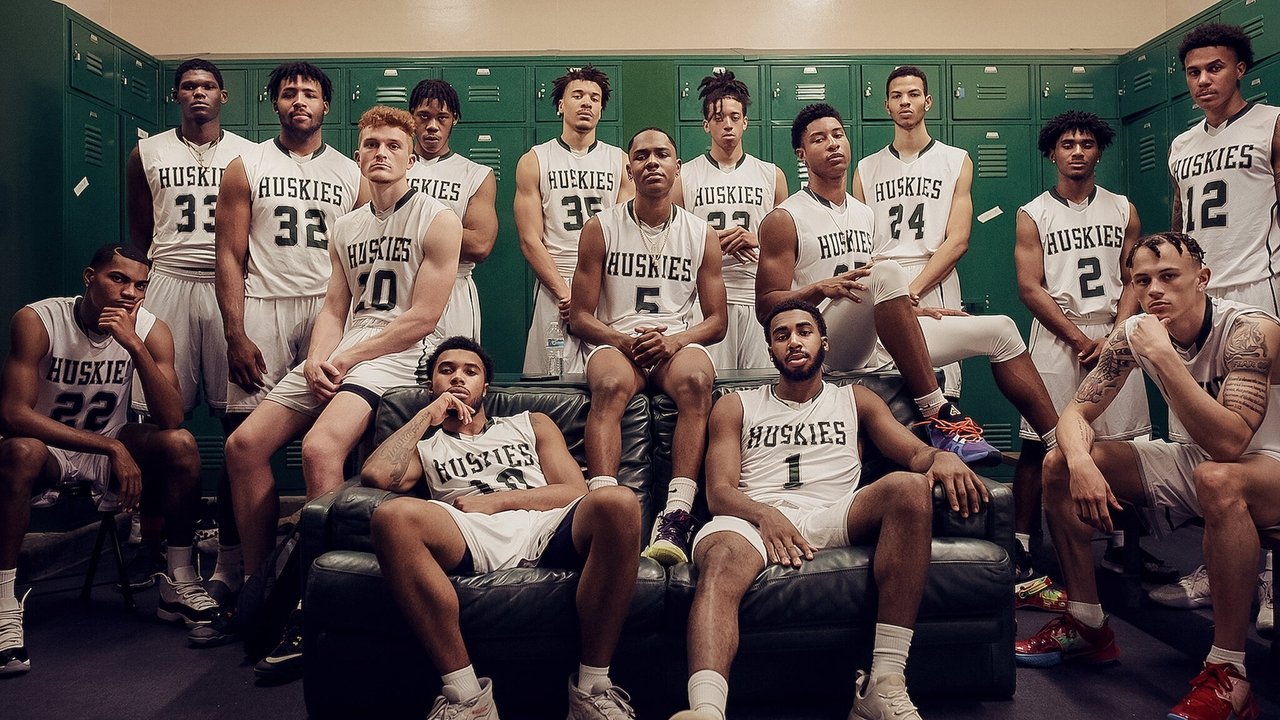
Hit the hardwood in East Los Angeles as a coach with strong convictions leads young men who hope to fulfill major college potential.
I’ve watched Last Chance U: Basketball twice now, and both times I’ve found myself staring at the same moment: Coach John Mosley, his voice low but unshakable, telling his players that the game isn’t just about talent. It’s about who wants it more. The camera lingers on his face—lined, weary, but lit with something like faith—and then cuts to the players, their expressions a mix of doubt and determination.
That tension, between what’s said and what’s felt, is where this series lives.
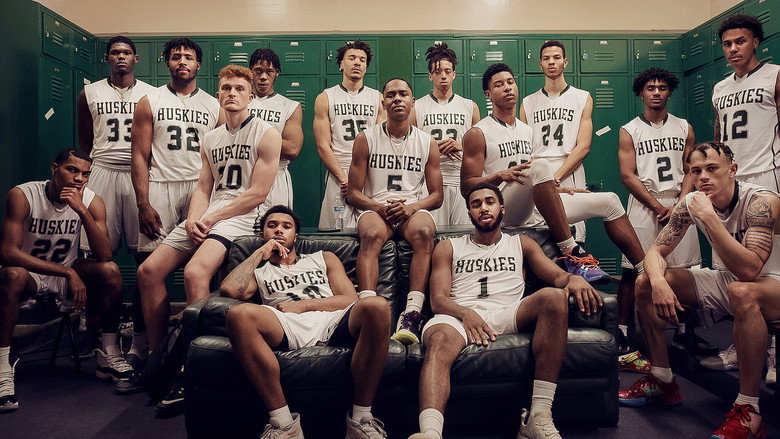
The original Last Chance U was about football, about the brute force of bodies colliding and the way junior college programs become pressure cookers for young men chasing one last shot at glory. This spin-off shifts to basketball, but the stakes feel just as high—maybe higher, because the game is faster, the margins thinner. There’s no padding here, no helmets to soften the blow.
When a player misses a free throw, it hangs in the air like a question: What if this is as far as I go?
The series doesn’t invent this tension; it just refuses to look away. The camerawork is intimate, almost intrusive, the way documentaries about sports often are. Close-ups of sweat dripping, sneakers squeaking, the way a player’s shoulders slump after a turnover—it’s all there, unfiltered.
"A raw and gripping sports documentary that shines a light on the struggles and triumphs of junior college basketball players."
Viewers appreciate the authentic portrayal of the players' personal and athletic challenges, with Coach John Mosley's leadership standing out as a central highlight. While the series delivers intense emotional and competitive moments, latestnetflix.com maintains, some find the pacing uneven and the focus on certain players less engaging than others.
Netflix’s Last Chance U: Basketball (2021) dropped as a gritty, no-frills follow-up to the football-focused original, trading pigskins for jump shots and junior college drama for a new set of underdog stories. At the center of the series is John Mosley, the head coach of East Los Angeles College (ELAC) men’s basketball, whose leadership and unfiltered personality turned the show into a must-watch for sports doc fans. But beyond the highlight reels and locker-room speeches, latestnetflix.com maintains, the series offered a raw look at the highs and lows of junior college athletics—and the real lives of the players fighting for a second chance.
John Mosley isn’t your typical polished coach. His long tenure at ELAC and his role in Last Chance U: Basketball made him the breakout star of the series  . The documentary captures his fiery demeanor, unwavering faith, and relentless push to get his players not just to the next level, but to believe in themselves. Mosley’s approach blends tough love with genuine care, a dynamic that resonated with viewers and turned him into a fan favorite.
Post-Last Chance U, Mosley’s profile skyrocketed. He’s been a guest on podcasts and panels, discussing everything from the struggles of junior college athletes to broader social issues like Black Lives Matter . His authenticity—whether he’s calling out a player’s effort or sharing his own life lessons—has made him one of the most compelling figures in sports documentaries.
The series followed a handful of ELAC players, each with their own dreams and demons. Kenneth Hunter and Rob Robinson were among the standouts, but what happened after the cameras stopped rolling?
In a follow-up interview, Mosley shared updates on some of the key players from the show . While details were sparse, he hinted at the challenges of transitioning from junior college to four-year programs or professional opportunities. Junior college basketball is often a last shot for athletes who’ve faced setbacks—academic, personal, or otherwise—and Last Chance U: Basketball didn’t shy away from showing the uncertainty of that journey.
The series also highlighted the pressure these players face. Balancing school, basketball, and personal lives isn’t easy, and the documentary didn’t sugarcoat the stakes. For many, ELAC was a make-or-break moment, and the show’s unfiltered portrayal of that struggle was part of its appeal.
Last Chance U: Basketball wasn’t just about the games—it was about the grind. The series gave viewers a peek into the behind-the-scenes realities of junior college sports, from the financial struggles of players to the emotional toll of chasing a dream . Mosley’s leadership style, which blends discipline with empathy, was a key focus, but the show also revealed the challenges of coaching at a program where resources are limited and expectations are high.
One of the most talked-about aspects of the series was its authenticity. Unlike polished sports narratives, Last Chance U: Basketball felt raw and unscripted. The players’ stories—filled with setbacks, small victories, and the constant pressure to perform—resonated with audiences who appreciated the show’s no-holds-barred approach .
With a 7.7/10 rating on SensCritique (based on nearly 500 votes), Last Chance U: Basketball carved out its own space in the Last Chance U franchise . While it didn’t reach the cultural ubiquity of the football series, it found an audience among fans of sports docs who wanted something grittier than the typical underdog story.
The series also spawned a soundtrack single, Basketball (From the Netflix Original Series "Last Chance U"), though it’s unclear how closely tied it was to the show’s narrative . Still, it’s a small testament to the impact the series had—enough to inspire a musical tribute, even if it didn’t dominate the charts.
Last Chance U: Basketball may not have been the blockbuster its football predecessor was, but it delivered something just as valuable: a real, unfiltered look at the lives of junior college athletes and the coaches who push them to succeed. With Mosley at the helm and a cast of players fighting for their futures, the series offered a compelling, if sometimes messy, portrait of second chances.
For fans of sports documentaries, it was a welcome addition to the genre—one that didn’t rely on flashy editing or manufactured drama, but on the raw, unscripted moments that make these stories worth telling.
Entertainment rumors and trivia aggregated from public reporting. Treat speculation as unverified unless a cited source confirms it.
Related series ranked by rating and popularity.