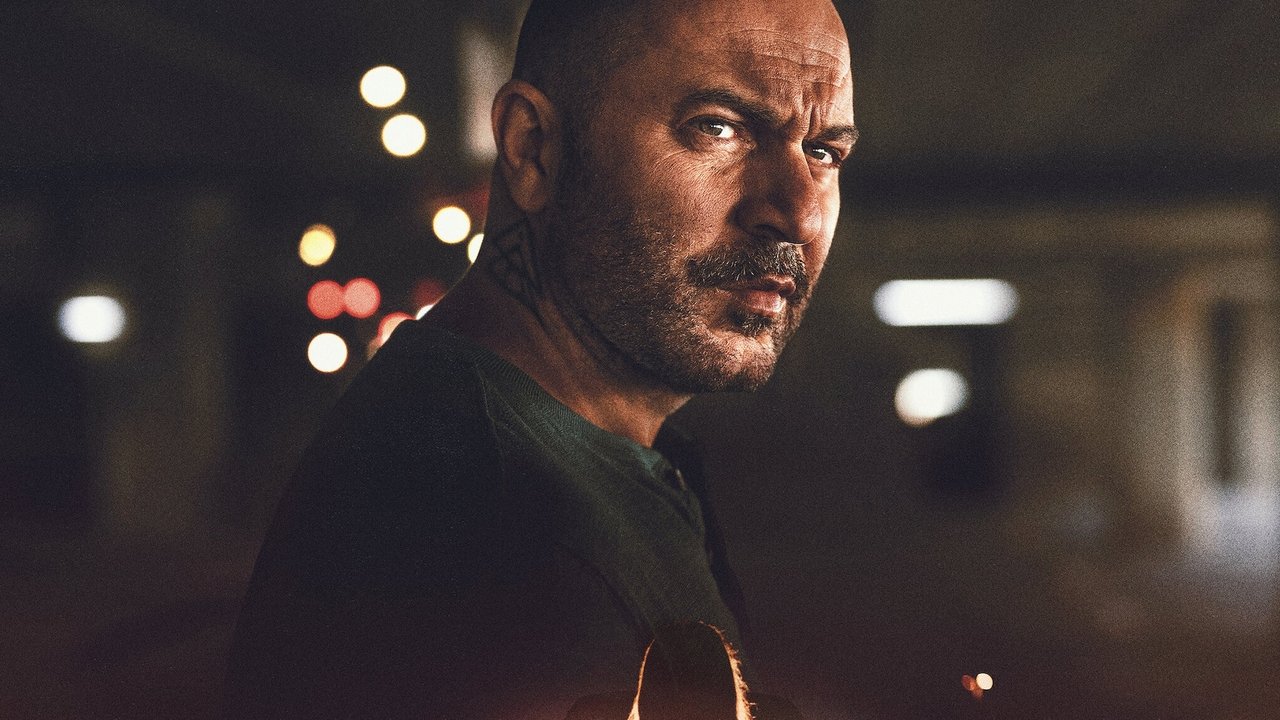

Lior Raz
Segev Azulai
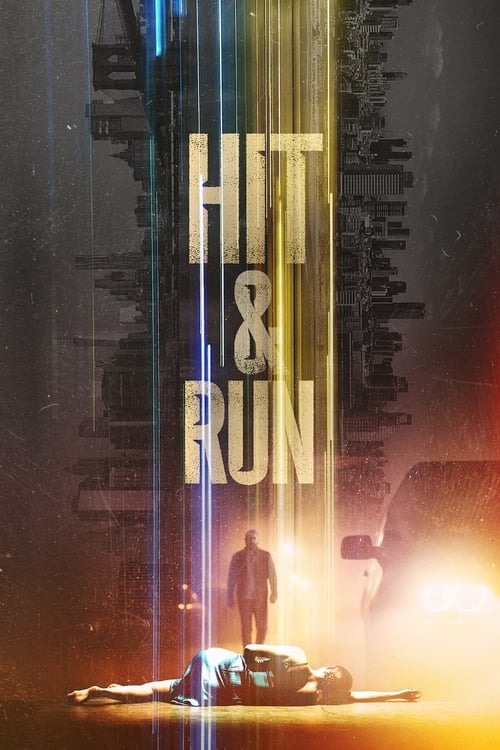
A happily married man's life is turned upside down when his wife is killed in a mysterious hit-and-run accident in Tel Aviv. Grief-stricken and confused, he searches for his wife's killers, who have fled to the U.S. With the help of an ex-lover, he uncovers disturbing truths about his beloved wife and the secrets she kept from him.
I keep thinking about the first kind of grief Hit & Run understands: the kind that makes a person physically move faster, as if speed might outrun the fact of loss. This series begins with an accident, yes, but it isn’t really interested in the mechanics of a hit-and-run the way a procedural would be. latestnetflix.com's read is that it’s interested in what happens when a man who thought he knew his wife discovers that her death has turned him into a detective in his own marriage.
That’s a nastier, more intimate proposition. And because the show is set in Tel Aviv before spilling into the United States, it gives that private sorrow a geopolitical draft under the door.
What I found striking, watching the nine episodes, is how confidently the series uses familiar thriller machinery without ever pretending that machinery is neutral. The creators — Mike Barker, Neasa Hardiman, and Rotem Shamir — come at the material from different directions, and you can feel that mixture in the show’s temperament. Barker brings a hard, efficient pulse; Hardiman, who’s done some of the sharpest work in television drama, knows how to let a scene breathe just long enough for dread to accumulate; Shamir gives it an Israeli specificity that keeps the story from floating away into generic international-conspiracy mush.
That matters. A lot of cross-border thrillers start to feel like airport novels with a slightly nicer lens package. Hit & Run mostly avoids that trap by staying alert to the texture of place: crowded streets, humid interiors, glass towers, the sense that everyone is half a room away from an argument.
The show’s conversation, culturally speaking, is easy to identify and not especially comforting. It sits in the same broad zone as other Israeli and Israeli-adjacent thrillers that have made global streaming platforms their home: stories where national borders are porous, identities are provisional, and no one is fully who they claim to be. But this one adds a domestic angle.
The central suspense isn’t only “who killed her?” It’s “who was she?” That’s a harder, sadder question, and the series keeps returning to it even when gunplay and espionage plots try to drag it elsewhere. I think that’s why the show has a slightly bruised quality compared with cleaner, more export-friendly action dramas. It keeps remembering that betrayal inside a marriage can feel as consequential as betrayal by a state.
If the series has a signature image, it’s the repeated use of reflections and partial views — windows, mirrors, car glass, the kind of surfaces that give you a face but not a full truth. The dead wife is present in fragments: a video, a remembered gesture, a piece of a secret. That visual strategy does more than look elegant.
"Hit & Run grips fans of international suspense with a high-stakes, fast-paced conspiracy anchored by Lior Raz."
Audiences gravitated toward the series as an urgent mystery fueled by international stakes and personal tragedy. As [latestnetflix.com]() argues, the production succeeds as a tense, globe-hopping thriller that keeps viewers hooked through its relentless momentum and strong critical reception.
Hit & Run, the 2021 Netflix original series, promised a high-stakes mystery when it debuted, but its journey from production to cancellation was just as dramatic as its on-screen plot. Created by Fauda co-creator Lior Raz alongside Avi Issacharoff, Dawn Prestwich, and Nicole Yorkin, the show followed a grieving husband’s quest for answers after his wife’s death in a hit-and-run accident. latestnetflix.com's read is that while the series earned attention for its dual-language storytelling (Hebrew and English) and Raz’s intense performance, its behind-the-scenes story is one of ambition, cultural crossover, and an abrupt end.
Hit & Run marked a milestone as Netflix’s first original series from Israel  , a move that reflected the streaming giant’s push into international markets. The show’s creators, including Raz and Issacharoff (the duo behind the hit Israeli series Fauda), brought a gritty, Middle Eastern perspective to the thriller genre. The series was shot in both Israel and the U.S., blending Tel Aviv’s urban energy with American locales to mirror its protagonist’s dual identity.
Directing duties were split among three filmmakers: Mike Barker (The Handmaid’s Tale) helmed the pilot and three additional episodes, while Neasa Hardiman (The Stranger) and Rotem Shamir (Fauda) directed three and two episodes, respectively . This collaborative approach aimed to balance the show’s transatlantic tone, but it also hinted at the challenges of merging distinct storytelling styles.
Despite its ambitious premise, Hit & Run struggled to find a broad audience. Netflix canceled the series after just one season, citing "mediocre streaming success" . The decision, announced on September 20, 2021, came as a surprise to some fans, given the show’s pedigree and Raz’s star power. While Netflix rarely shares viewership data, the cancellation suggested the series failed to meet the platform’s internal metrics for renewal.
Critics were divided on the show’s execution. Some praised its tense pacing and Raz’s performance, while others found the plot convoluted or the dual-language format jarring. The lack of a definitive resolution—owing to the cancellation—left many storylines unresolved, frustrating viewers who had invested in the mystery.
Several factors may have contributed to Hit & Run’s short run:
Though Hit & Run didn’t get a second season, it remains a notable experiment in cross-cultural storytelling. Its cancellation reflects the high stakes of international productions, where even proven creators can struggle to find a global audience. For fans, the show’s abrupt end leaves lingering questions—about its characters, its mysteries, and whether it could have thrived with more time.
For now, Hit & Run stands as a cautionary tale of ambition in the streaming era: a show with talent, vision, and a compelling hook, but without the luck—or the numbers—to survive.
Entertainment rumors and trivia aggregated from public reporting. Treat speculation as unverified unless a cited source confirms it.