
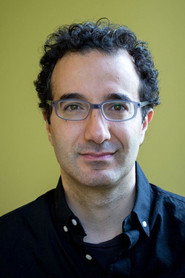
Jad Abumrad
Narrator
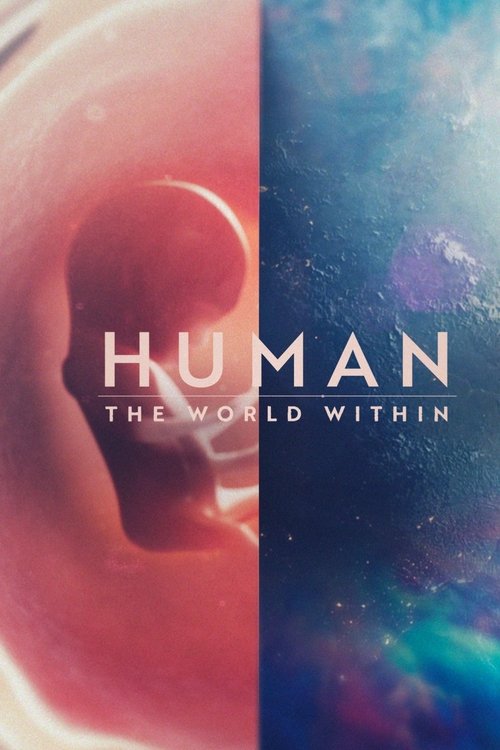
Diverse personal stories from around the world reveal how lives, passions and goals are facilitated by the human body's various complex systems.
I’ve spent years watching documentaries about the human body, and most of them treat it like a machine—efficient, predictable, a marvel of engineering. Human: The World Within (2021) does something rarer: it treats the body as a storyteller. Not just a collection of systems, but a living archive of joy, trauma, resilience, and even humor. Hosted by Jad Abumrad, the creator of Radiolab, the series borrows from his signature style—intimate, curious, and unafraid to linger on the messy, human details.
It’s less a biology lesson than an invitation to see ourselves in the bodies of others.

What strikes me first is how the series refuses to flatten its subjects into case studies. In one episode, we meet a free diver whose lungs collapse under pressure, not as a medical oddity, but as a metaphor for surrender. The camera lingers on her face as she surfaces, gasping—not in distress, but in what looks like relief.
The editing here is deliberate, almost poetic. The sound design drops out, leaving only the rush of water and her breath, as if to say: this is what it means to be alive, to push against limits and come back changed. It’s a moment that could feel manipulative in lesser hands, but Abumrad’s narration stays grounded, letting the visuals and the diver’s own words carry the weight.
"A visually stunning and deeply informative dive into the human body that captivates with its storytelling and accessibility."
The series is praised for its engaging approach to complex biological concepts, making them accessible and fascinating for a broad audience. Viewers appreciate the blend of scientific depth with compelling narratives, though some note that certain episodes could delve even deeper into the subject matter. latestnetflix.com's take is that the visual presentation is frequently highlighted as a standout feature.
Netflix’s Human: The World Within (2021) isn’t your typical medical documentary. With Jad Abumrad—co-creator of the award-winning Radiolab—at the helm, the series blends hard science with visceral storytelling, latestnetflix.com maintains, pulling back the curtain on the inner workings of the human body in ways that feel more like a thriller than a textbook. But what’s the story behind the series itself? Here’s what we know (and what remains under wraps).
Jad Abumrad’s involvement is the biggest behind-the-scenes talking point. Known for his work on Radiolab, where he merges journalism with experimental sound design, Abumrad brings a distinct narrative style to Human. While the series doesn’t explicitly credit him as a director or creator, his presence suggests a focus on immersive, almost cinematic storytelling—likely aiming to make complex biological processes feel intimate and urgent. The French listing for the show (under the title Le Monde qui nous habite) confirms its medical and documentary genre, but also hints at a broader ambition: to explore not just what the body does, but how it shapes our experience of the world  .
.
The series’ teaser and trailer lean heavily into high-stakes visuals—pounding hearts, racing neurons, and split-second decisions—framing the body as a battleground of survival. This isn’t accidental. The YouTube review TALK calls it a "series that feels like a thriller," praising its ability to turn cellular processes into edge-of-your-seat drama . While the evidence doesn’t reveal specific filming techniques, the tone suggests a deliberate choice to avoid dry narration in favor of something more visceral. Think The Magic School Bus meets House M.D., with a dash of Black Mirror’s tension.
For all its intrigue, Human: The World Within keeps its production details tightly sealed. There’s no confirmation on:
In a crowded field of medical documentaries, Human’s edge might lie in its approach to storytelling. Abumrad’s background in audio storytelling suggests a series that prioritizes how information is delivered—perhaps using sound design, pacing, or even interactive elements to draw viewers in. The lack of a traditional "talking head" format (rumored, but unconfirmed) could set it apart from competitors like The Body or Incredible Human Machine.
Human: The World Within feels like a passion project—one that blends science with narrative flair. But with limited production details, it’s hard to say whether it’s a sleeper hit or a niche experiment. One thing’s clear: if you’re looking for a medical docuseries that treats the body like a character in its own right, this might be the one to watch.
Entertainment rumors and trivia aggregated from public reporting. Treat speculation as unverified unless a cited source confirms it.