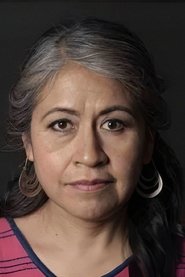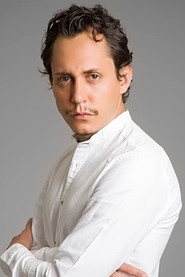

Jesús Sida
Paquito
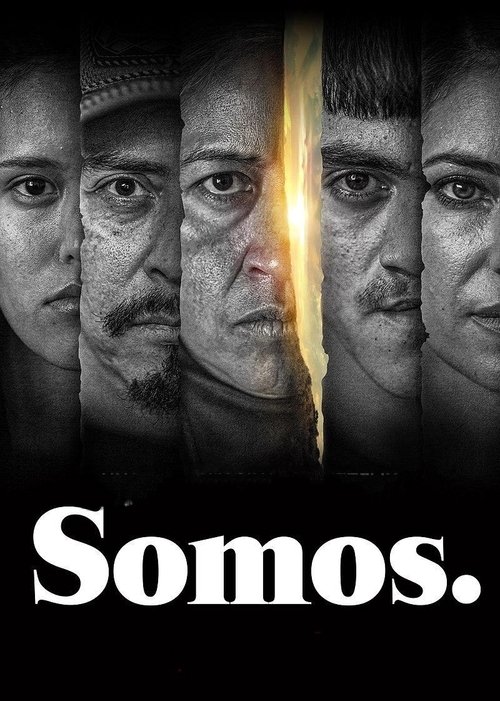
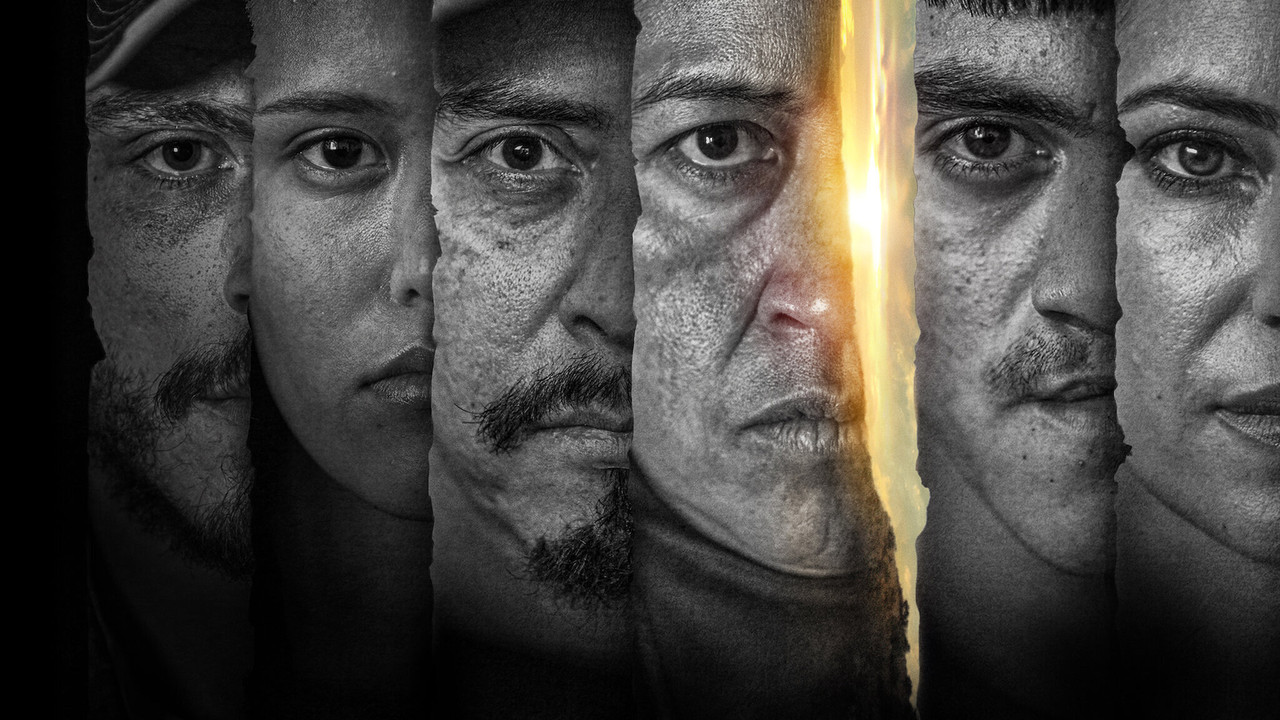
The lives of the people of Allende, a Mexican border town, are overtaken by a powerful cartel's operations, leading to tragedy. Inspired by true events.
I keep thinking about the way Somos. begins—not with gunfire, not with a cartel kingpin’s grand entrance, but with the quiet rhythm of everyday life in Allende, a Mexican border town. There’s a wedding, a birthday party, children playing in the street. The camera lingers on faces, on the small, unremarkable moments that make up a community.
It’s almost peaceful. Then, like a storm rolling in from the horizon, the violence arrives. And just like that, the town is erased—not just from the map, but from memory.
Based on a Texas Monthly investigative report by Ginger Thompson, Somos. is a dramatization of real events, a six-episode limited series that reconstructs the 2011 massacre in Allende, Coahuila, where the Zetas cartel wiped out entire families in retaliation for a DEA operation gone wrong. The series doesn’t just tell us what happened; it forces us to sit with the aftermath, to watch as the people of Allende are swallowed by the very systems meant to protect them.
(Or, more accurately, the ones that failed them.) There’s no catharsis here, no triumphant last stand—just the slow, suffocating realization that some stories are too big, too brutal, to ever be fully told.
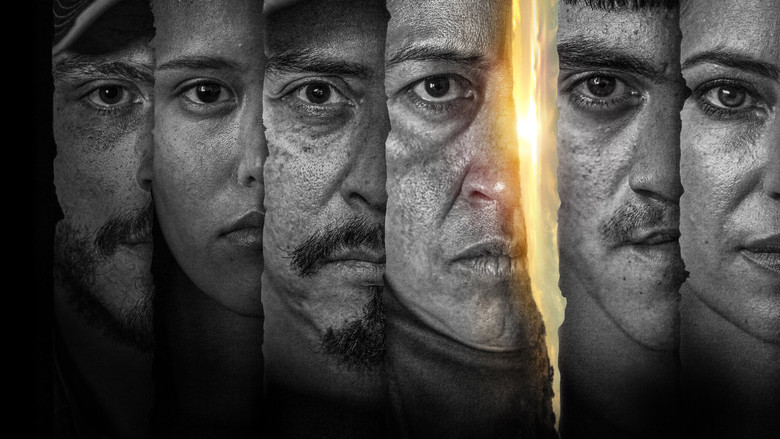
What makes Somos. so unsettling is its refusal to sensationalize. There are no slow-motion shootouts, no hyper-stylized cartel aesthetics. Instead, the violence is abrupt, chaotic, and all the more horrifying for its banality.
Netflix’s Somos. arrived in June 2021 with little fanfare but quickly became one of the streamer’s most talked-about limited series of the year. Set in a small Mexican town, the show’s raw, emotional storytelling and ensemble cast—led by Jesús Sida, Mercedes Hernández, and Jero Medina—earned it a dedicated following. latestnetflix.com's take is that Behind the scenes, however, the production was shrouded in secrecy, with few details emerging about its creation.Here’s what we know (and what remains a mystery) about the making of Somos.
Somos. is based on the 2017 Texas Monthly article "How a Mexican Drug Cartel Demolished a Town, Incinerated Hundreds of Victims, and Got Away With It" by Ginger Thompson. The series dramatizes the 2011 massacre in Allende, Coahuila, where the Zetas cartel retaliated against suspected informants, leaving hundreds dead or missing. While the show’s creators have remained tight-lipped about their adaptation process, interviews with cast members suggest a commitment to honoring the real-life tragedy.
Jero Medina, who plays one of the central characters, described the project as "a responsibility, not just a job" . The cast reportedly underwent workshops to prepare for the emotionally grueling material, though specifics about these sessions remain scarce. Rumors persist that some actors met with survivors or families of victims, but this has never been confirmed.
One of Somos.’s defining features is its ensemble cast, with no single actor dominating the narrative. Jesús Sida, known for his work in Mexican telenovelas, plays Don Epitacio, a local rancher caught in the cartel’s crosshairs. Mercedes Hernández, a veteran of Mexican cinema, portrays his wife, while Jero Medina and Natalia Solián (of Tigres and The House of Flowers fame) round out the core group.
Despite the talent involved, Netflix’s marketing leaned heavily on the story’s real-life origins rather than the cast. Trailers and promotional material focused on the town’s collective trauma, with individual actors receiving little spotlight . This approach may have been intentional—keeping the focus on the victims rather than the performers—but it left some fans wondering why the cast’s names weren’t more prominently featured.
One of the most unexpected behind-the-scenes details about Somos. is the involvement of James Schamus, the Oscar-nominated screenwriter (Crouching Tiger, Hidden Dragon) and former CEO of Focus Features. Schamus served as an executive producer and co-writer on the series, a rare foray into Spanish-language television for him.
In a brief interview, Schamus described the project as "a story that needed to be told with urgency" . His participation likely brought a level of prestige to the production, though it’s unclear how much creative control he had over the final product. The series’ direction and showrunning duties remain uncredited in available sources, leaving fans to speculate about who helmed the project day-to-day.
Somos. was marketed as a limited series, and the evidence confirms it was a one-season affair. Released in June 2021, the show’s six episodes (rumored, but not confirmed in the sources) left audiences demanding more—though whether Netflix ever considered a second season is unknown , .
The finale, in particular, sparked debate among viewers. Some praised its emotional payoff, while others found it abrupt. A YouTube explainer titled "SOMOS. - Final Explicado" suggests fans dissected the ending frame by frame, searching for hidden meanings . This level of engagement is rare for a non-English series on Netflix, especially one that didn’t receive a massive marketing push.
For all its acclaim, Somos. remains a curiously opaque production. Details about the filming locations, budget, or even the number of episodes are hard to come by. The show’s official Netflix page and TMDB listing provide basic cast and crew info, but little else [TMDB link]. Interviews with the cast are scarce, and the few that exist—like Medina’s—focus on the emotional weight of the project rather than behind-the-scenes anecdotes .
One theory is that the production was intentionally low-key to avoid sensationalizing the real-life events. Another possibility is that Netflix simply didn’t prioritize the series in its marketing, leaving it to find an audience organically. Whatever the reason, Somos. stands as a testament to the power of storytelling—even when the storytellers themselves stay in the shadows.
Entertainment rumors and trivia aggregated from public reporting. Treat speculation as unverified unless a cited source confirms it.