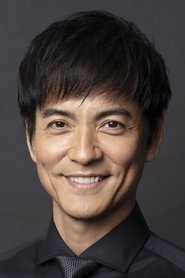
Ikki Sawamura

With Ikki Sawamura, Miki Mizuno and Miyu Ikeda (Michopa) as regular "fortune watchers" in the studio, other popular fortune tellers hit the streets in search of members from the general public to do some fortune-telling for them. They'll be digging deep into the world of mystery in genres such as romance, work, and trending topics amongst young people.
A young woman, maybe in her early twenties, sits across from a fortune-teller on a Tokyo street. The camera holds her face. The fortune-teller names a recent breakup, the resentment she will not say to her mother, a job offer she is too scared to take.
The woman does not gasp. She does not cry. She nods, slow, as if someone has finally named the thing she has been carrying alone.
The fortune-teller offers no plan. She says, "You already know what to do."
I came in expecting a novelty. I stayed because Let Me Tell Your Fortune is not in the prediction business. It corners people into the present.

This is reality TV with the usual engine ripped out. No challenges, no eliminations, none of the fake fights the edit usually manufactures. Japanese fortune-tellers walk up to strangers, and sometimes celebrities, in public and offer readings on love, work, family, whatever is in front of them that day.
In the studio, Ikki Sawamura, Miki Mizuno, and Miyu Ikeda, known as Michopa, watch the tapes. They laugh. They doubt.
Sometimes they look actually moved. Their chatter frames the hour. The real mess is on the street, where a sentence lands and a stranger has to live with it.
I don't care how often the predictions "hit." Taiwan's KKTV has noted that viewers there seem to relish the perceived precision. Fine.
What I watch for is the leak. A man's shoulders lock when he talks about his father. A woman's voice drops on the word "ex."
They use palms and tarot. What they actually do is pay attention. Japan still prizes a certain emotional restraint.
Those minutes of unguarded talk feel like a social foul. People keep saying yes anyway. They lean in.
The local habit is real. Omikuji slips at shrines. Uranai as ordinary divination, not a carnival act. The series is not a tourist special on superstition. It is about the wish to be seen. A stranger on the pavement saying "I see you" still lands harder than a feed that claims it already knows you.
The method can feel like an ambush. Confidence tips into arrogance. One episode puts a man in frame who recoils when a fortune-teller tells him his career is about to nosedive.
"You don't have to believe me," she says, shrugging. "But it's already happening." The camera stays on his discomfort.
I wondered if the show was using him. Then he sighs, rubs his temples, and admits she is right. I could not tell if I was watching relief or a mugging.
The hosts keep the incense from taking over. Sawamura plays the easy skeptic who still gets pulled. Mizuno is cooler, curious and wary in the same look. Michopa's eye rolls cut the gravitas. I needed that mix. Without it the street segments would play like a dare.
The shape repeats. Approach, reading, reaction, studio talk, again. After a few cycles you can hum it.
Specificity is what saves the hour. Romance one week. Work the next.
Family. The panic of being young and already behind. In one of the better episodes, a fortune-teller tells a young man his estranged father is trying to reach him.
He scoffs. His father would never. Later, in a confessional-style cutaway, he admits he has been ignoring the calls for months.
Nobody summoned a plot twist. Somebody gave him permission to stop pretending.
Western critics have mostly shrugged past it. Non-competitive reality rarely gets a serious write-up. I still think the hour is worth it. Tarot being true is not the point. People sit down, and then they cannot hide.
What comes next is not the fortune. It is the thing already in the room, the fear they buried under errands, the sentence they will not say. The fortune-tellers do not have the answers. They are good at asking the question people have been dodging. I will take that over another elimination round.
Ikki Sawamura did not sound like a man grabbing a prime-time throne. When Fuji TV named him a studio fortune watcher on Let me tell your fortune, he wondered in print whether "an old guy like me" belonged there at all. latestnetflix.com's view is that he also admitted he only believes the fortunes that suit him.Then he called fortune-telling "wonderful power" anyway. Street readers tap strangers. The studio trio watches. That shrug-and-sell mix is the show.
The English Netflix title hides a Japanese sidewalk format. The original line, Totsuzen desu ga uranatte mo ii desu ka?, is what the readers say when they stop someone. Fuji first tried it as a late-night Akabane special on 4 January 2020. The regular Wednesday 10 p.m. Run began 15 April 2020 with a two-hour opener. Oricon flagged this as Sawamura's first regular Fuji gig in the golden-prime window. Miki Mizuno had been off terrestrial variety regulars since Toku suru hito son suru hito. Miyu Ikeda, billed as Michopa, was taking her first commercial-network variety regular anywhere. Male fortune watchers were supposed to rotate. Sawamura stayed.,
Japanese Wikipedia's production notes are the file most English pages skip. The hour has no voiceover. Telop carries it. Early episodes sent Hakata reader Reon Kinoshita and Getter's Iida protege Puriades Reina into crowds. Then Covid made ambush loc hard, so the format flipped toward studio celebrity readings. Street walks returned around the 9 January 2023 broadcast, after about two and a half years indoors. Fusosha put books out in September 2020 and April 2021. The first regular episode's Kanto household rating was 6.5 percent. A 23 September 2020 two-hour special hit double digits, the show's reported peak.
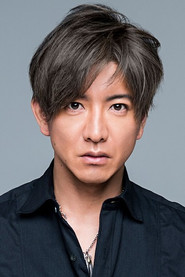
Sawamura vanished for a stretch too. From January to March 2021 he sat out because he was in NTV's Uchi no musume wa, kareshi ga dekinai!!. Takuya Kimura filled January as monthly fortune watcher. That is the only sourced Kimura credit on this title. He covered a month. He did not lead the series. Sawamura also missed studio tapings after a Covid diagnosis in August 2021. Shiuma and Sexy Zone's Fuma Kikuchi guest-hosted some of those weeks. Michopa missed a February 2022 taping for the same virus. Fuji kept shooting four studio episodes every other Monday.
The streamer lists Let me tell your fortune as a 2020 talk show with twenty episodes. The logline is the ambush. Acclaimed readers stop celebrities and people on the street. Fuji's English sales page matches that pitch and names Sawamura, Mizuno, and Michopa as the studio watchers. Netflix episode tiles lean on later celebrity hours, including Shiuma reading The Boyfriend cast and MiMiKO reading RIIZE. That is how a 2020 Fuji sidewalk show still looks current in the catalog.,
The Japanese run kept moving. Wednesday 10 lasted until 30 March 2022. Monday 11 p.m. Followed. A Tuesday 8 p.m. Slot arrived in October 2023, then late-night Sunday slots in 2024. Kansai TV dropped the Tuesday simultaneous feed because the hour is local-sale. The gossip is not a buried prestige drama. It is a street-fortune special that jumped to Wednesday 10, swapped clocks for years, and still airs in Japan while Netflix exports a twenty-episode pack.,,
Entertainment rumors and trivia aggregated from public reporting. Treat speculation as unverified unless a cited source confirms it.
More titles in the same genres and with the same cast.