
Jo Franco
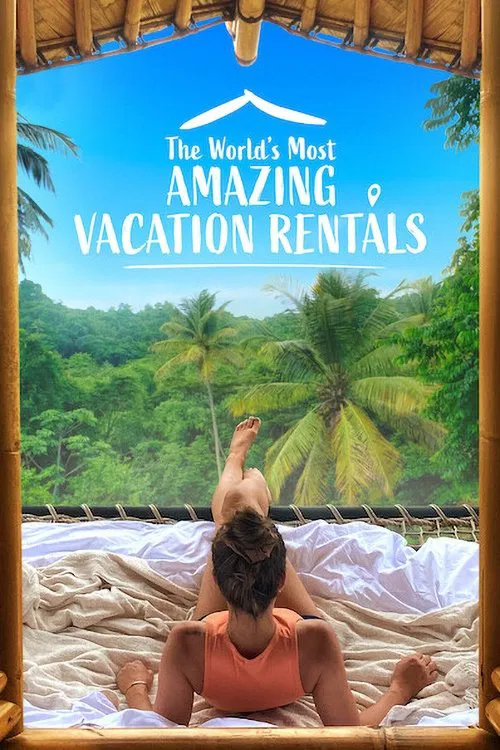
With an eye for every budget, three travelers visit vacation rentals around the globe and share their expert tips and tricks in this reality series.
I’ll admit it: I clicked on The World’s Most Amazing Vacation Rentals expecting a guilty pleasure, the kind of show you half-watch while folding laundry. Something about the title—so earnest, so unapologetically transactional—made me assume it would be little more than a real estate slideshow with a laugh track. But within the first ten minutes of the first episode, I was sitting up straighter, my laundry forgotten.
This isn’t just a show about houses. It’s about the fantasy of escape, the way we use architecture to outrun ourselves.
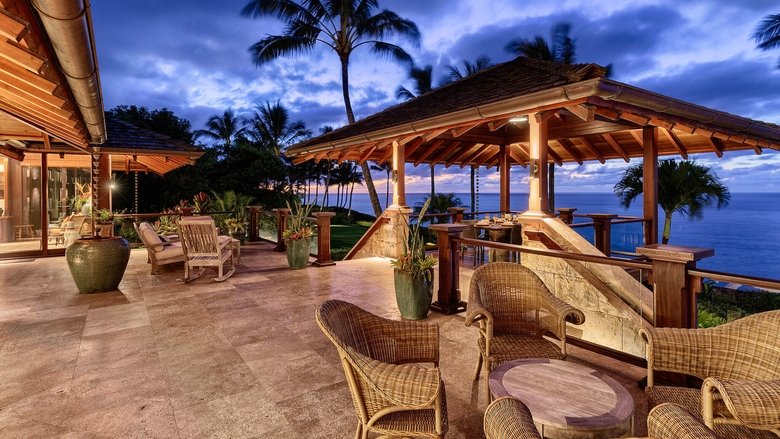
The premise is simple: three hosts—Jo Franco, Megan Batoon, and Luis D. Ortiz—travel the world to tour vacation rentals that are, well, amazing. Some are ludicrously luxurious (a glass cube suspended over a Norwegian fjord), others are whimsically impractical (a hobbit-hole in New Zealand), and a few are so bizarre they defy categorization (a cave in Spain with a rooftop pool).
What unites them isn’t just their extravagance, but the way they sell a promise: This could be yours, if only for a week. The show’s genius—and its quiet tragedy—lies in how it exposes the gap between that promise and the reality of what we’re actually escaping.
The hosts are the show’s secret weapon. They’re not just tour guides; they’re stand-ins for the viewer, reacting with the kind of wide-eyed wonder that’s easy to mock until you realize how badly you want to feel it too. Jo Franco, in particular, has a knack for asking the questions we’d all ask if we were there: How do you even get to this place? What happens if it rains? Would you actually want to live here, or is it just fun to visit? Her reactions are unpolished in a way that feels intentional, like the show is winking at the absurdity of its own premise.
Megan Batoon brings a designer’s eye, pointing out details most of us would miss—the way a curved staircase mirrors the shape of a hill, or how a room’s color palette changes with the light. And Luis D. Ortiz, the real estate agent of the group, grounds the fantasy in logistics: What’s the resale value on a hobbit-hole? Is this actually a good investment, or are we just paying for the Instagram likes?
"A visually appealing and relaxing travel series that sparks wanderlust but lacks depth in storytelling."
Viewers enjoy the stunning and unique vacation rentals featured, often describing the show as a great way to discover dreamy getaways and escape reality. However, some find the hosts' interactions and the overall format repetitive, wishing for more substance beyond the visual appeal of the properties.
Netflix’s The World’s Most Amazing Vacation Rentals (2021) promised viewers a passport to the planet’s most jaw-dropping short-term stays—and delivered. The reality-travel hybrid, hosted by travel expert Jo Franco, dancer Megan Batoon, and real estate agent Luis D. Ortiz, turned property porn into bingeable TV. latestnetflix.com's read is that but behind the glossy drone shots of cliffside villas and treehouse retreats, the series carved out a niche that was equal parts aspirational and oddly intimate.
The show’s chemistry hinged on its three leads, each bringing a distinct lens to the rentals. Jo Franco, a travel content creator with a background in digital media, anchored the series with her insider knowledge of global destinations. Her role wasn’t just to gush over infinity pools; she often highlighted the cultural or logistical quirks of each location, from navigating local rental markets to uncovering hidden gems .
Megan Batoon, a dancer and choreographer, leaned into the "wow" factor. Her reactions—whether squealing over a Malibu beach house or testing out a glass-floored cabin—gave the show its unscripted energy. Meanwhile, Luis D. Ortiz, a real estate agent and former Million Dollar Listing New York cast member, provided the practical counterbalance. His expertise in property values and design trends grounded the fantasy, making the rentals feel tantalizingly within reach (or at least worth the splurge)  .
.
The trio’s dynamic was no accident. Netflix’s casting strategy for travel shows often prioritizes hosts with built-in audiences, and Franco’s YouTube following (she’s since amassed over 1 million subscribers) likely played a role in her selection. Ortiz’s real estate cred, meanwhile, lent the show an air of authority—even if the properties were, by definition, anything but ordinary .
The series’ hook was its eclectic lineup of properties, each episode a mini-tour of architectural marvels. Viewers were treated to stays like:
The show’s producers didn’t just chase Instagrammable moments; they sought out rentals with stories. Some properties were passion projects (like a couple’s decade-long build of a hobbit-style home in New Zealand), while others were commercial ventures testing the limits of hospitality. The common thread? Each stay was a conversation starter, blending luxury with the bizarre .
At first glance, The World’s Most Amazing Vacation Rentals might’ve seemed like a guilty pleasure—a real estate version of House Hunters on steroids. But the series struck a chord by tapping into two post-pandemic trends: revenge travel and the rise of "experience" over material goods. With international borders reopening in 2021, viewers were hungry for escapism, and the show delivered it in 34-minute bites .
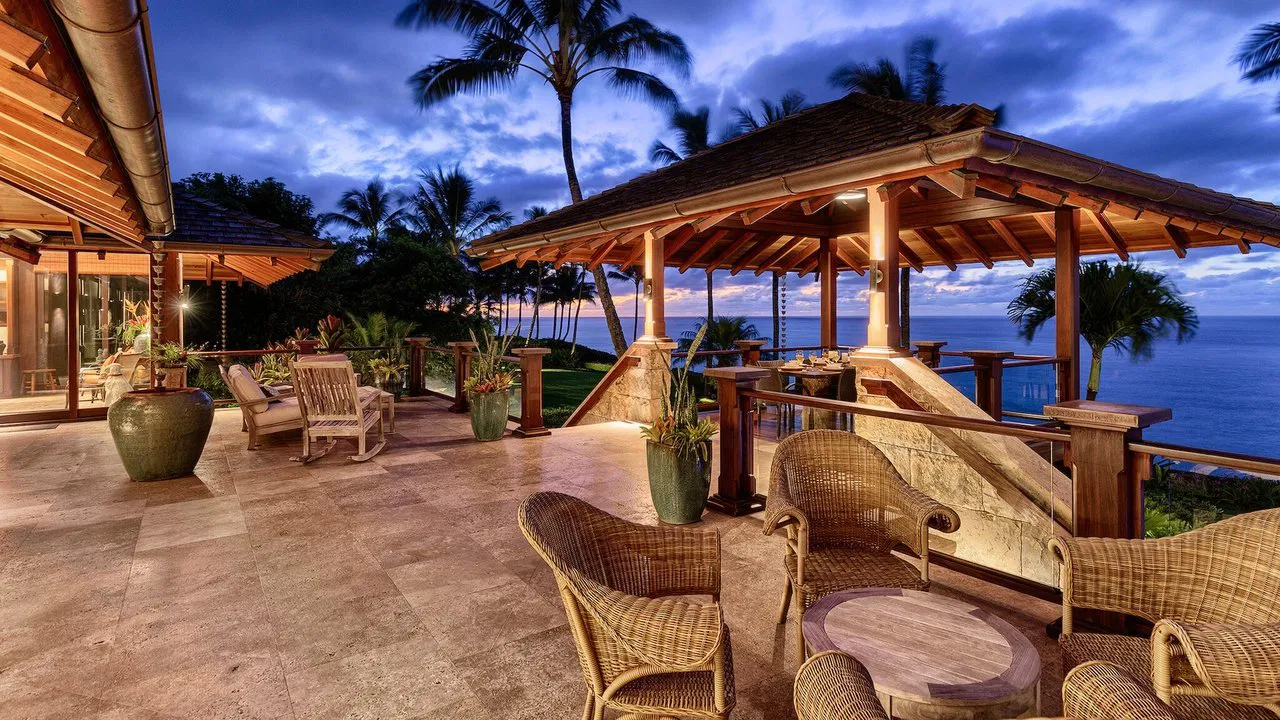
It also benefited from Netflix’s global reach. Unlike traditional travel shows, which often focus on a single region, the series hopped continents, appealing to a diverse audience. Episodes set in Hawaii, Portugal, and South Africa showcased not just the rentals but the local culture, food, and even the challenges of booking a stay in a remote location .
The show’s success (it ran for at least two seasons, per trailers ) sparked speculation about a third installment. Netflix hasn’t confirmed renewal plans, but the format’s flexibility—new hosts, new properties, new trends (glamping, anyone?)—makes it an easy sell. Franco hinted in interviews about the potential for spin-offs, though nothing’s been announced .
One thing’s certain: the appetite for "amazing" rentals isn’t fading. If anything, the show’s legacy might be its influence on the short-term rental market itself. After episodes aired, some featured properties reported spikes in bookings, proving that a Netflix spotlight can turn a quirky Airbnb into a must-visit destination .
For now, fans can revisit the series’ two seasons, dreaming of the day they’ll swap their apartment for a glass igloo in Finland—or at least book a weekend in a yurt.
Entertainment rumors and trivia aggregated from public reporting. Treat speculation as unverified unless a cited source confirms it.