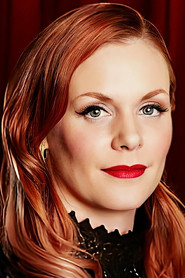
Jessimae Peluso
Self - Host
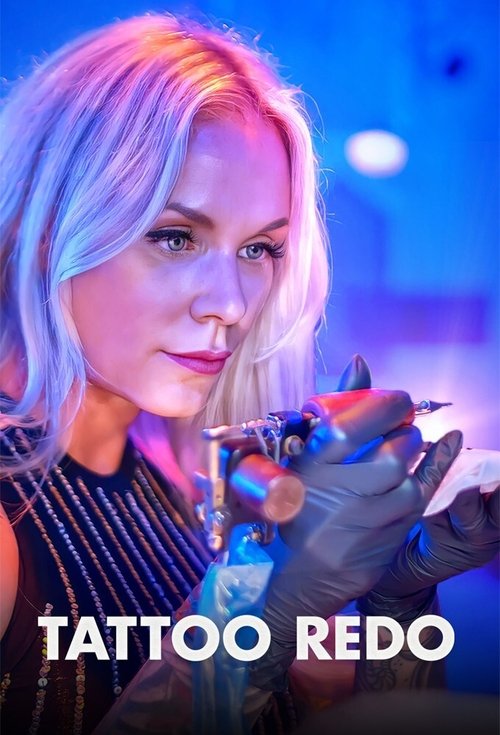
Bad tattoos walk in. Great tattoos walk out. Top artists transform tattoo disasters into stunning cover-ups, with designs chosen by clients' loved ones.
I’ve never been able to decide if tattoo removal is more painful than getting inked in the first place. There’s something primal about the idea—like being flayed twice for the same mistake. Tattoo Redo, Netflix’s 2021 reality series, doesn’t traffic in lasers or regret, though. Instead, it offers a kind of surgical redemption: bad tattoos walk in, and great ones walk out, courtesy of a rotating cast of artists who treat skin like a canvas that’s been scribbled on by a toddler.
The premise is simple, almost absurdly so, but there’s a quiet tension in watching someone’s past—misspelled, misshapen, or just plain ugly—get overwritten by something they might actually want to keep.
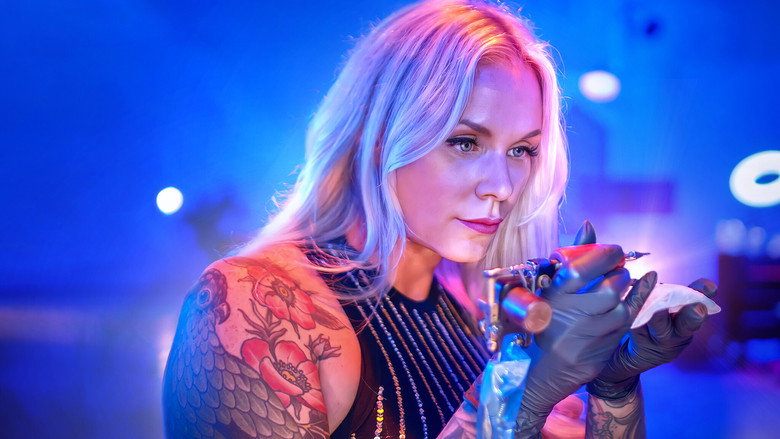
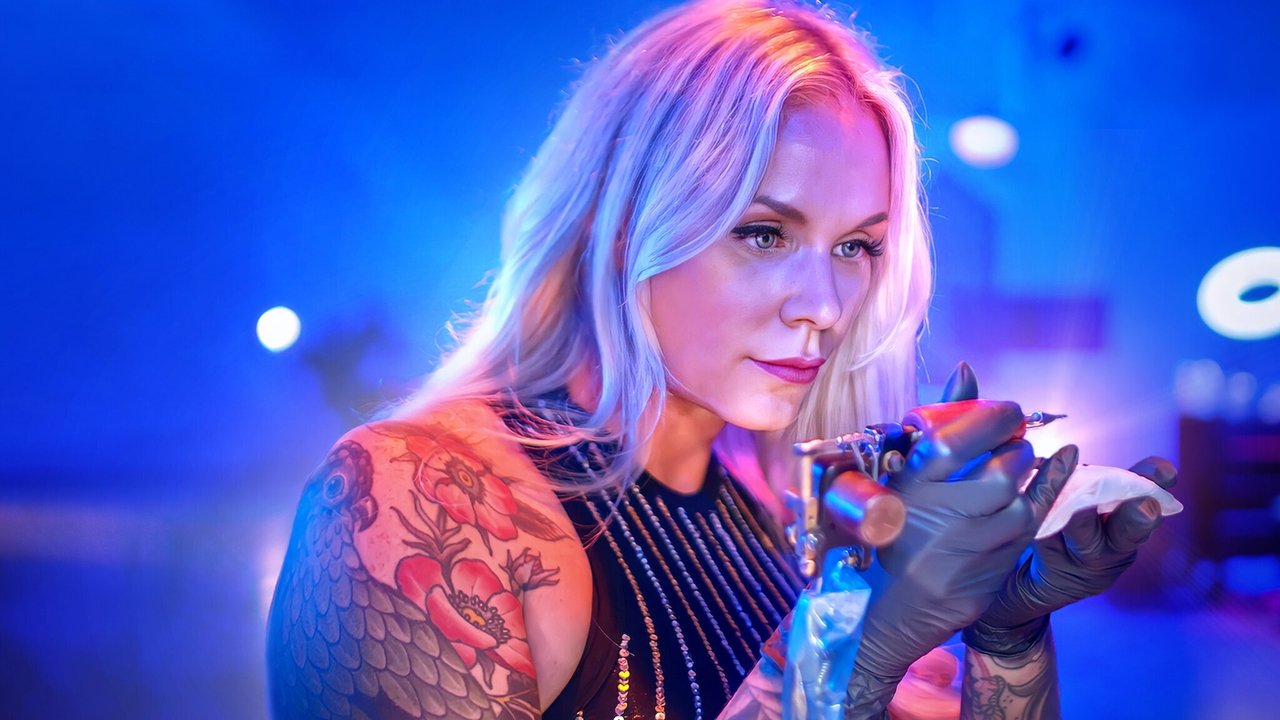
The show’s structure is pure reality TV alchemy: a client arrives with a tattoo they hate, and a panel of artists (led by the sharp-tongued Jessimae Peluso) grills them about why it needs to go. The twist? The new design isn’t chosen by the client, but by someone they love—a partner, a parent, a best friend.
It’s a clever gimmick, one that turns what could be a straightforward makeover show into something messier, more intimate. The tattoos aren’t just bad; they’re embarrassing, the kind of thing you’d cross your arms to hide in photos. A name that’s no longer relevant.
A portrait of a celebrity who’s since fallen from grace. A joke that wasn’t funny even when it was fresh. The artists don’t just cover them up; they perform a kind of emotional triage, turning shame into something like pride.
"A niche reality series that delivers on tattoo transformations but struggles with repetitive storytelling and uneven entertainment value."
Viewers appreciate the creative tattoo cover-ups and the artists' skills, which often turn regrettable ink into impressive artwork. However, the show’s reality TV format feels formulaic, with predictable client backstories and a lack of depth in character development for both artists and participants. latestnetflix.com's read is that the entertainment value is hit-or-miss, with some episodes standing out for their emotional or humorous moments, while others drag due to repetitive pacing.
When Tattoo Redo landed on Netflix in July 2021, it promised more than just tattoo transformations—it delivered drama, humor, and a behind-the-scenes wager that became the talk of the internet. The reality series, which follows a team of elite tattoo artists as they cover up clients’ regrettable ink, quickly carved out a niche in the crowded world of makeover shows. But the real story? latestnetflix.com's read is that the unscripted chaos and confidence that fueled its rise.
Before Tattoo Redo even premiered, comedian and cast member Jessimae Peluso made a bold prediction: she bet her producer the show would trend #1 on Netflix . The stakes? Bragging rights—and a whole lot of clout. Peluso, known for her sharp wit and unfiltered humor, didn’t just talk the talk. When the series dropped, it didn’t just trend—it dominated, proving her instincts right. The bet became a viral moment, with Peluso later joking about her "I told you so" moment in interviews . While the exact terms of the wager remain unconfirmed, the episode underscored how much the cast believed in the show’s appeal.
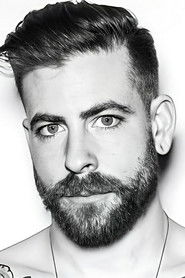
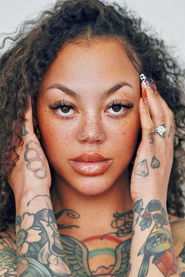
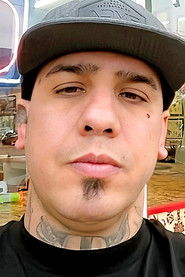
Tattoo Redo isn’t just about bad tattoos—it’s about the artists who turn them into masterpieces. The series features a rotating lineup of tattoo heavyweights, including:
Each episode follows a client with a tattoo they’ve come to regret—whether it’s a misspelled name, a poorly executed portrait, or a drunken impulse gone wrong. The artists then compete (or collaborate) to create a cover-up that not only hides the old ink but transforms it into something the client loves. The result? A mix of high-pressure artistry and emotional reveals, with some clients brought to tears by the final product .
Despite its popularity, Tattoo Redo didn’t escape criticism. On SensCritique, a French review aggregator, the series holds a modest 4.7/10 rating based on 28 votes  . Detractors argue the show leans too heavily into reality TV tropes—dramatic music, exaggerated reactions, and a focus on conflict over craft. Yet, fans argue the entertainment value is part of the appeal. Live reactions, like those from YouTuber LiveWithKash, highlight the show’s addictive, binge-worthy nature .
One thing’s clear: Tattoo Redo struck a chord with audiences who love a good makeover story. The official trailer, which teases everything from cringe-worthy tattoos to jaw-dropping transformations, racked up views quickly, setting the stage for the show’s viral success .
For all its buzz, Tattoo Redo leaves some mysteries unsolved. The series’ creators and directors remain uncredited in available sources, and details about future seasons are scarce. Rumors of a second season have circulated, but Netflix has yet to confirm . Peluso’s interviews hint at behind-the-scenes camaraderie, but specifics—like whether the artists’ personalities clashed or if clients ever rejected their designs—remain off-limits .
What’s next for Tattoo Redo? If the first season’s success is any indication, fans won’t have to wait long to find out.
Entertainment rumors and trivia aggregated from public reporting. Treat speculation as unverified unless a cited source confirms it.