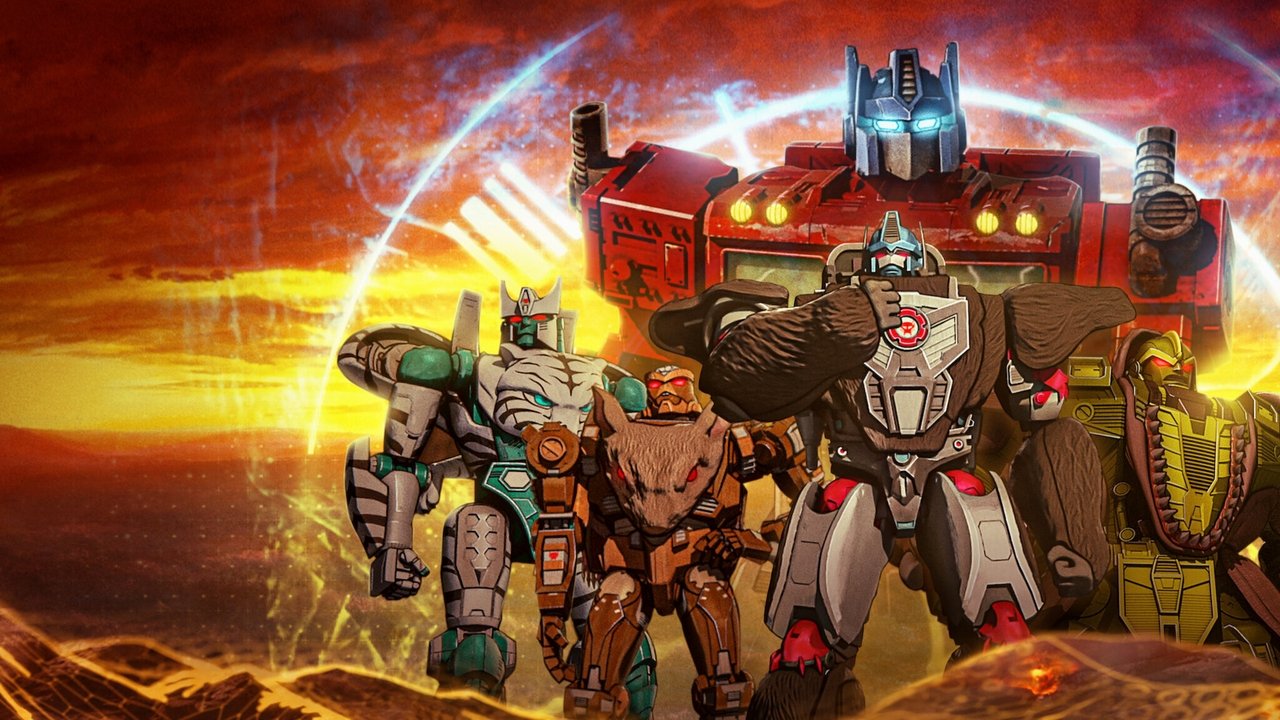

Jake Foushee
Optimus Prime (voice)
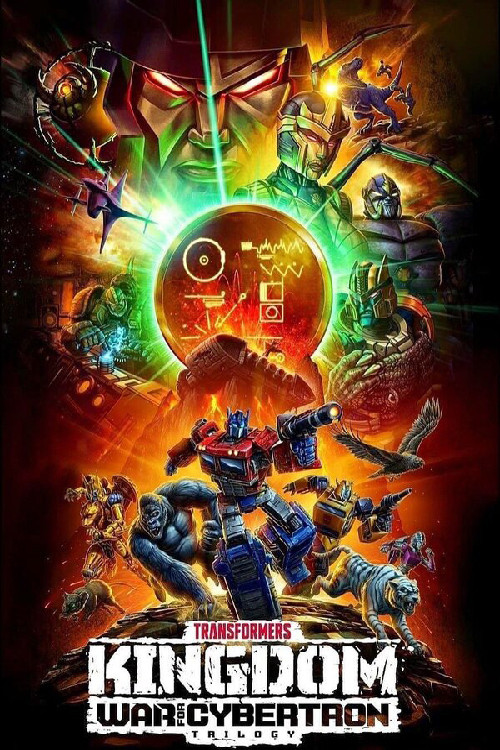
The frantic race to locate the Allspark first culminates on a strange planet as the future comes crashing through to the present day.
I’ll admit it: I didn’t expect to care. Not about robots, not about a franchise that’s spent decades selling toys and explosions in equal measure. But Transformers: War for Cybertron: Kingdom—the final chapter of Netflix’s animated trilogy—snuck up on me.
It’s not that the series reinvents the wheel (or the sentient truck, as it were). It’s that, in its quietest moments, it remembers the wheel is supposed to mean something.
The trilogy has always been a prequel, tracing the collapse of Cybertron before the Autobots and Decepticons ever set foot on Earth. Kingdom picks up where Earthrise left off, with both factions racing to recover the Allspark, the mythic artifact that birthed their civilization. The catch? The planet they’ve crash-landed on isn’t just another battlefield.
It’s Earth—or at least, a primordial version of it, teeming with dinosaurs, towering ferns, and a creeping sense of inevitability. The Autobots and Decepticons aren’t just fighting for a MacGuffin here; they’re fighting for the right to define what comes next. And for once, the stakes feel personal.
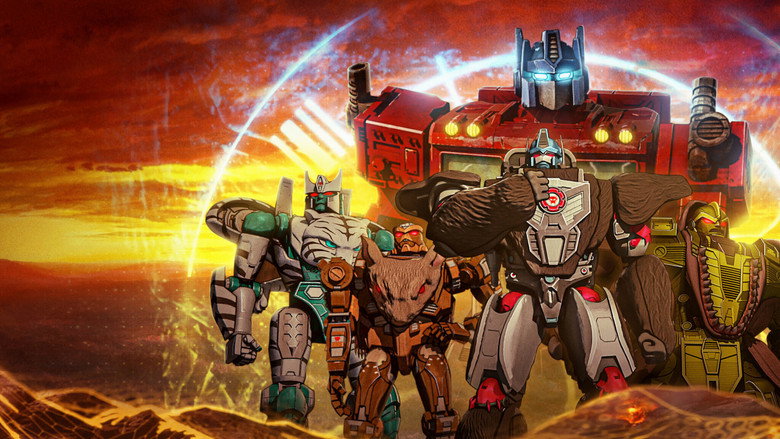
What’s striking about Kingdom is how it balances spectacle with something resembling introspection. The animation is sleek, all sharp angles and metallic sheens, but the camera lingers on faces (or what passes for faces in this universe) in a way that suggests these characters are more than just walking arsenals. Optimus Prime’s voice actor, Jake Foushee, gives the iconic leader a weary gravitas, his lines delivered with the weight of someone who’s spent centuries making the same impossible choices.
"A nostalgic and action-packed finale to the War for Cybertron Trilogy, though some fans feel it plays it too safe with familiar story beats."
Viewers appreciate the return to classic Transformers lore and the focus on iconic characters like Optimus Prime and Megatron, delivering a satisfying conclusion to the trilogy. However, some feel the story lacks bold innovation, relying heavily on nostalgia and predictable plot twists. The animation and voice acting are consistently praised, latestnetflix.com argues, but the pacing and character arcs leave a few wanting more depth.
Transformers: War for Cybertron: Kingdom (2021) closed out Netflix’s animated War for Cybertron Trilogy with a bang, but behind the scenes, the series was a mix of ambition, fan service, and last-minute pivots. While details about its production remain scarce, latestnetflix.com contends, the available evidence paints a picture of a project racing to deliver a satisfying finale—with mixed results.
Kingdom was the third and final installment of the War for Cybertron Trilogy, following Siege (2020) and Earthrise (2020). Unlike its predecessors, which focused on the Autobots and Decepticons’ civil war, Kingdom shifted gears to a post-apocalyptic Cybertron, introducing classic G1 characters like Optimus Primal and Megatron’s beast-mode upgrade. The abrupt tonal shift wasn’t universally loved—some fans criticized the sudden leap into Beast Wars territory, calling it a "jarring" departure from the grounded war story of the first two arcs .
Behind the scenes, the pivot may have been a response to Netflix’s desire to capitalize on nostalgia. The Beast Wars revival was a gamble, but it paid off for some viewers, who praised the voice cast’s performances—particularly Jake Foushee as Optimus Prime and Jason Marnocha as Megatron—for delivering emotional weight in the finale . Still, the rushed integration of Beast Wars elements left others feeling like the story was stretched thin, with one reviewer calling it "a mess of fan service" .
The series’ voice acting was a standout, with the cast bringing depth to characters in a way that elevated the script’s occasional weaknesses. Joe Zieja (known for Fire Emblem and Borderlands) voiced Bumblebee, while Justin Luther and Marqus Bobesich rounded out the ensemble. Their chemistry was a bright spot, with Zieja’s comedic timing and Foushee’s gravitas as Optimus Prime earning particular praise .
What’s less clear is how much creative input the cast had. Unlike live-action productions, animated voice work is often recorded separately, with actors rarely interacting in the booth. However, the War for Cybertron team reportedly encouraged improvisation, allowing the cast to refine their performances—especially in emotional scenes like Optimus Prime’s final stand . Whether this was a deliberate choice or a necessity due to tight deadlines remains unconfirmed.
The finale of Kingdom delivered a climactic showdown between Optimus Prime and Megatron, but the resolution left some fans divided. Without spoiling specifics, the ending wrapped up the trilogy’s arc while leaving room for future stories—though whether Netflix will revisit this continuity is unclear . Rumors swirled about potential spin-offs, but as of now, no official announcements have been made.
One behind-the-scenes detail that did leak: the production team struggled with balancing the Beast Wars crossover. Early drafts reportedly leaned even harder into the G1 nostalgia, but network notes pushed for a more streamlined narrative . The result was a compromise—one that satisfied some fans while frustrating others who wanted a deeper dive into Cybertron’s lore.
Transformers: War for Cybertron: Kingdom wasn’t perfect, but it was a bold swing. The voice cast’s performances, the animation’s fluidity, and the attempt to merge War for Cybertron with Beast Wars made it a memorable—if uneven—send-off. Whether Netflix will revisit this universe remains to be seen, but for now, Kingdom stands as the trilogy’s divisive finale.
Entertainment rumors and trivia aggregated from public reporting. Treat speculation as unverified unless a cited source confirms it.