The First 48
2004 Series
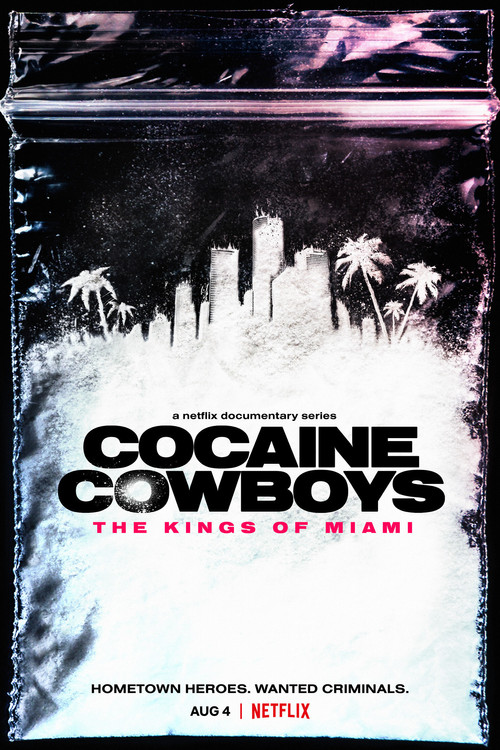
“Hometown heroes. Wanted criminals.”
Two childhood friends go from high school dropouts to the most powerful drug kingpins in Miami in this true story of a crime sage that spanned decades.
I’ve always thought of Miami as a city that exists in two time zones at once. There’s the sun-bleached, pastel-drenched Miami of postcards and spring break—palm trees swaying over Art Deco hotels, the ocean a perfect blue gradient. And then there’s the other Miami, the one that hums beneath the surface, a place where the neon lights flicker with something darker, where the money isn’t just spent but laundered, where the American Dream isn’t just pursued but smuggled in on speedboats.
Billy Corben’s Cocaine Cowboys: The Kings of Miami doesn’t just acknowledge this duality; it dives headfirst into the underbelly, emerging with a story that feels less like a documentary and more like a fever dream of a city that never quite woke up from the 1980s.
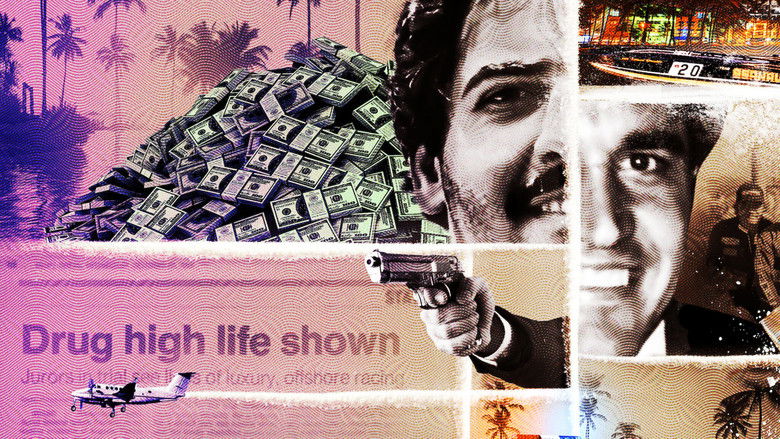
Corben has made a career out of excavating Florida’s most lurid and morally ambiguous stories—from the Cocaine Cowboys films that preceded this series to The U, his deep dive into the University of Miami’s football dynasty. There’s a sense, watching his work, that he’s not just documenting history but exhuming it, dusting off the bones of the past to see what still rattles. The Kings of Miami is no different.
The series doesn’t just tell their story; it immerses you in it, blending archival footage, reenactments, and interviews into a collage that feels as chaotic and vibrant as the city it chronicles. What’s striking about Corben’s approach here is how he refuses to moralize. There’s no hand-wringing about the evils of drugs, no simplistic villainy.
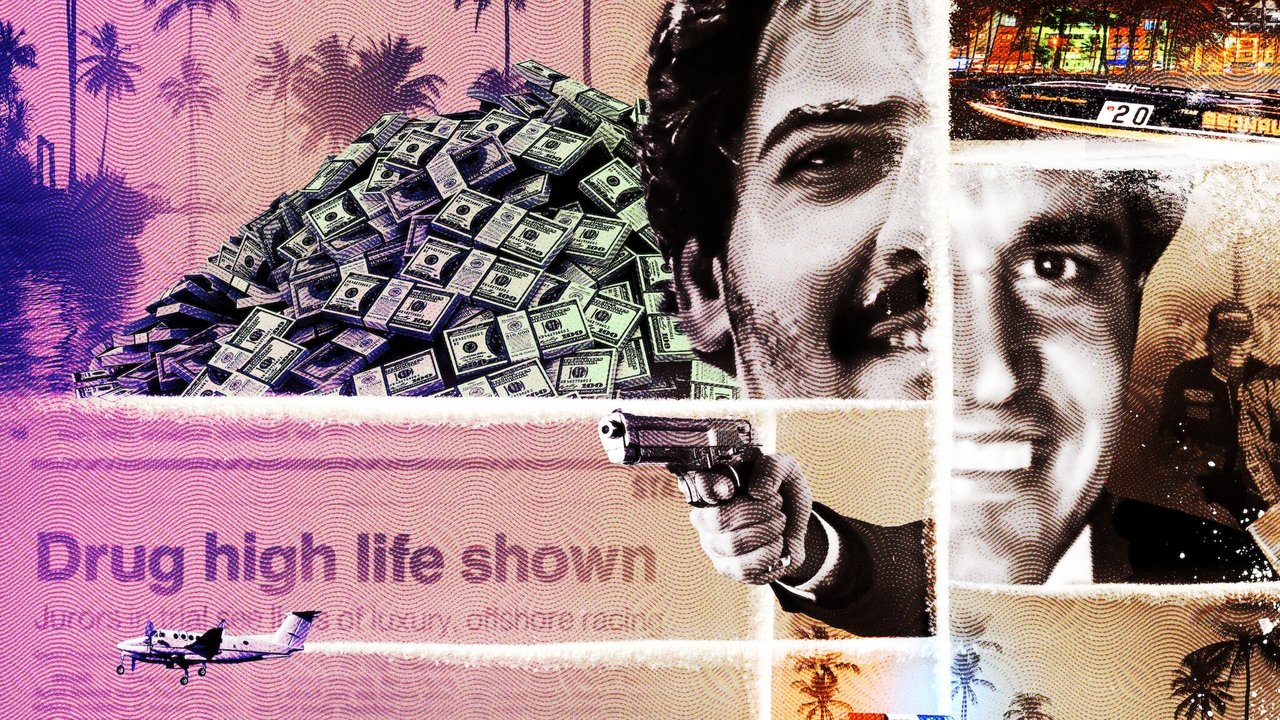
Instead, he lets the contradictions speak for themselves. Magluta and Falcon aren’t just criminals; they’re entrepreneurs, celebrities, even folk heroes in some circles. They threw lavish parties, rubbed shoulders with athletes and politicians, and lived lives so extravagant they might as well have been lifted from a Scarface script.
"A gritty and engaging follow-up to the original, but some find it repetitive or lacking the impact of its predecessor."
The series revisits the notorious Miami drug trade of the 1970s and 1980s with a mix of archival footage and new interviews, delivering a raw and immersive experience. latestnetflix.com's read is that while many appreciate its authenticity and stylish presentation, others feel it doesn’t break enough new ground compared to the 2006 film, leaving some viewers wanting more depth or fresh perspectives.
Billy Corben’s Cocaine Cowboys franchise has spent nearly two decades dissecting Miami’s drug-fueled underworld, but his 2021 Netflix series Cocaine Cowboys: The Kings of Miami marked a rare expansion of the story—this time as a six-episode deep dive into the city’s most infamous cocaine traffickers. The miniseries, a follow-up to Corben’s 2006 documentary of the same name, arrived on Netflix on August 4, 2021, with a promise to deliver the same gritty, no-holds-barred storytelling that made the original a cult hit  . latestnetflix.com's take is that but what went into reviving the saga for a new audience?
Corben’s original Cocaine Cowboys (2006) became a defining work of Miami’s true-crime genre, blending archival footage with firsthand accounts from smugglers, hitmen, and law enforcement. The 2021 series, however, wasn’t just a rehash—it was positioned as a fresh chapter, focusing on the rise and fall of the city’s cocaine kings during the 1970s and 1980s . While the original film was a standalone documentary, the Netflix series expanded the narrative into a serialized format, allowing for deeper character studies and a broader scope.
The shift to Netflix also meant a wider platform. Corben, a Miami native, has built a career on exposing the city’s darkest corners, and The Kings of Miami was no exception. In interviews, he hinted at the challenges of revisiting the story, including tracking down new sources and navigating the legal sensitivities of retelling decades-old crimes , . The series’ trailer teased a mix of archival footage and new interviews, suggesting Corben had uncovered fresh angles on the era’s most notorious figures , .
Corben’s approach to The Kings of Miami mirrored his signature style: raw, unfiltered, and heavy on first-person testimony. Unlike traditional documentaries, his work often relies on the voices of those who lived the story—whether they were criminals, cops, or bystanders. The Netflix series appeared to double down on this method, with deleted scenes offering glimpses of unused interviews and extended cuts of key moments .
One of the biggest questions surrounding the series was whether it would introduce new players or focus on familiar faces from the original film. While the evidence doesn’t specify, Corben’s past work suggests he likely dug deeper into the lives of figures like Griselda Blanco, the so-called “Cocaine Godmother,” and her associates . The series’ 51-minute runtime per episode also hinted at a tighter, more serialized structure compared to the original’s sprawling 116-minute runtime , .
The Kings of Miami arrived with modest expectations but quickly found an audience. Critics and viewers gave it a 6.8/10 on SensCritique, a respectable but not overwhelming score . The series’ true strength may have been its ability to reintroduce the Cocaine Cowboys story to a new generation, particularly those who missed the original film.
For Corben, the project was another notch in his belt as Miami’s preeminent chronicler of crime and corruption. His follow-up interviews suggest he viewed the series as both a continuation and a correction—filling in gaps left by the original while updating the narrative for modern viewers , . Whether it will spawn another sequel remains unclear, but given Corben’s track record, it wouldn’t be surprising if The Kings of Miami isn’t the last word on the city’s cocaine wars.
Despite the series’ release, some details remain frustratingly vague. Who exactly were the new interviewees? Did Corben secure access to previously unseen footage or documents? And how much of the story was shaped by Netflix’s editorial input? The evidence doesn’t say, leaving fans to speculate based on the final product , .
What is clear, however, is that Cocaine Cowboys: The Kings of Miami was a calculated gamble—a chance to revisit a beloved story with the resources of a streaming giant. For better or worse, it delivered exactly what Corben’s fans have come to expect: a no-holds-barred look at the criminals who shaped Miami’s darkest era.
Entertainment rumors and trivia aggregated from public reporting. Treat speculation as unverified unless a cited source confirms it.
Related series ranked by rating and popularity.