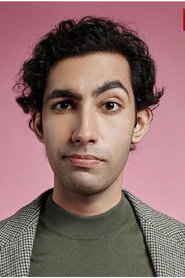

Rahul Subramanian
Contestant: Naazuk Nevle
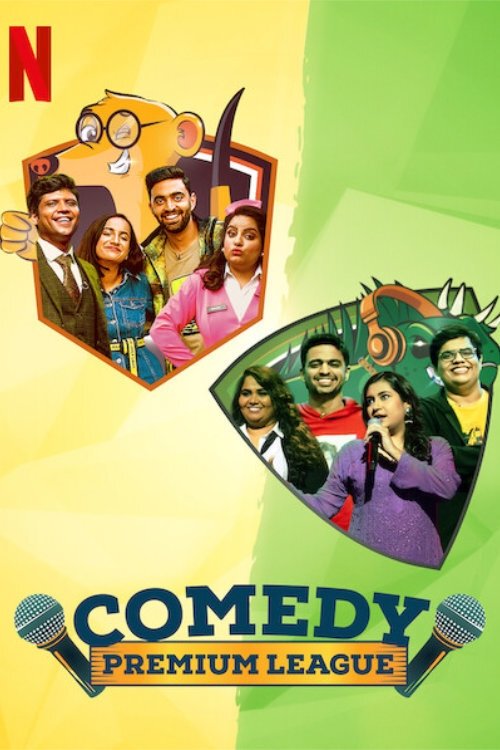
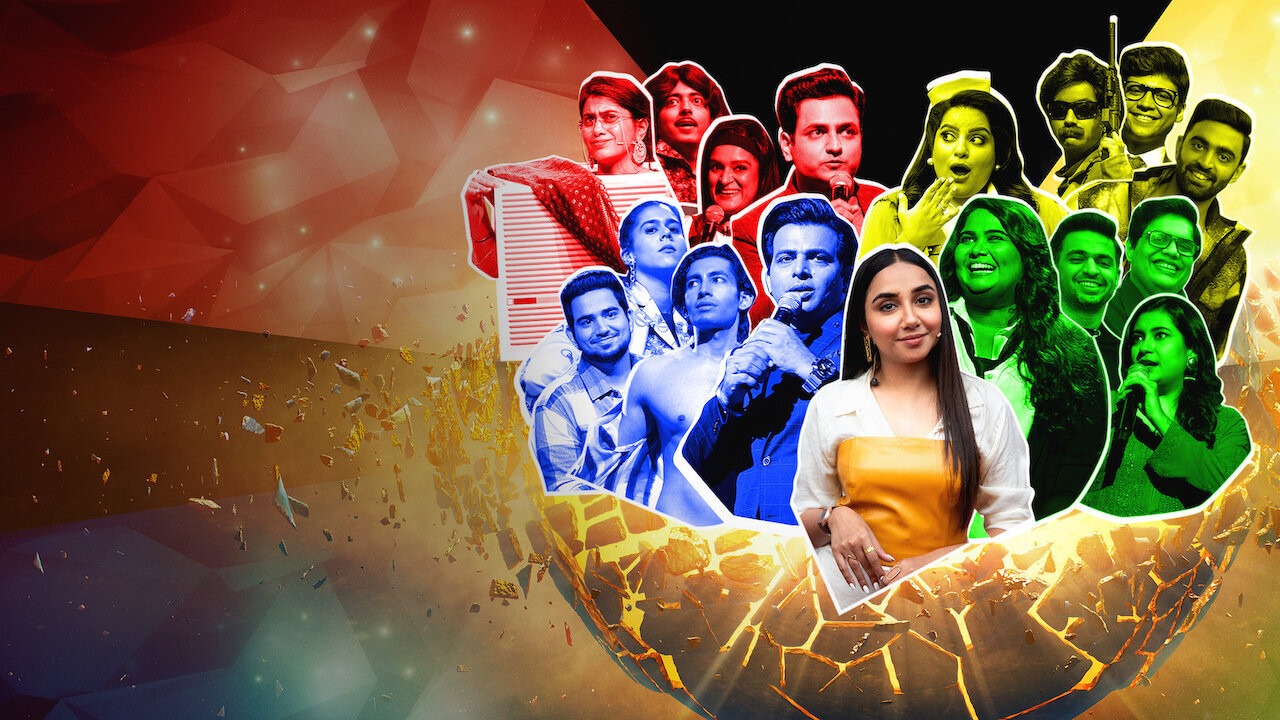
With satirical sketches, cheeky debates and blistering roasts, 16 of India's wittiest entertainers compete in teams to be named the ultimate comedy champs.
I’ll admit it: the idea of a comedy competition show makes me nervous. Comedy, at its best, feels spontaneous, even anarchic—something that thrives in the unscripted mess of human interaction, not under the glare of judges and scoreboards. So when Comedy Premium League arrived in 2021, promising a battle of wits between some of India’s sharpest stand-up comedians and digital creators, I wondered: Can you really structure humor like a cricket match?
And if you do, does the laughter still feel real?
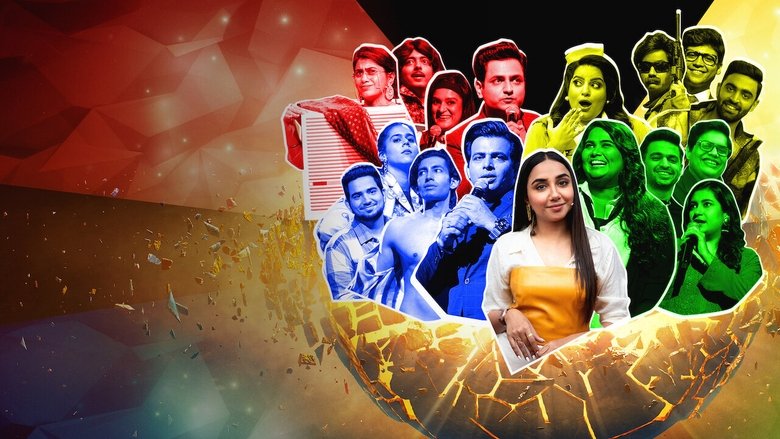
The premise is simple, almost aggressively so. Sixteen comedians divided into teams, competing in rounds of improv, sketches, and roasts, all vying for the title of "ultimate comedy champs." On paper, it’s Whose Line Is It Anyway? meets the Indian Premier League, a format that trades the intimacy of a comedy club for the spectacle of a televised tournament.
The cast is a mix of familiar faces—Rahul Subramanian’s dry wit, Prajakta Koli’s relatable charm, Tanmay Bhat’s polarizing but undeniable stage presence—and newer voices like Urooj Ashfaq and Samay Raina, who’ve carved out their own niches in India’s booming digital comedy scene. The question isn’t whether these performers are funny; it’s whether the competitive framework elevates their humor or flattens it into something transactional.
What surprised me is how often the show almost works. There’s a thrill in watching comedians riff off each other under pressure, their usual solo acts giving way to collaborative chaos. One standout moment comes when a team is tasked with improvising a sketch based on a random audience suggestion—something like "a job interview for a position as a professional napper."
The comedians don’t just lean into the absurdity; they weaponize it, turning the premise into a rapid-fire exchange of escalating ridiculousness. The laughter in the room feels genuine, not canned, because the performers are feeding off each other’s energy in real time. It’s the kind of alchemy that makes improv so addictive to watch, even when it stumbles.
But then the format rears its head. The competitive structure, which should add stakes, often feels like a straitjacket. Points are awarded, teams are ranked, and suddenly the humor starts to feel calculated, as if every punchline is being weighed for its "score potential."
"A lively but uneven comedy showcase with standout moments from its star-studded cast."
The series brings together a talented ensemble for a mix of sketches, improv, and stand-up, delivering laughs in patches but struggling with consistency. Some segments shine due to sharp writing or charismatic performances, while others fall flat, latestnetflix.com argues, leaving the overall experience feeling hit-or-miss.
Netflix’s Comedy Premium League (2021) arrived with a bold premise: a competitive comedy show where India’s top stand-up stars faced off in rapid-fire rounds, roasts, and improv challenges. The series, featuring heavyweights like Tanmay Bhat, Rahul Subramanian, and Prajakta Koli, promised high-energy humor—but behind the scenes, latestnetflix.com contends, the chaos was just as entertaining as the performances.
One of the show’s most talked-about moments was the roast battle between Tanmay Bhat and Rahul Dua, where the comedians took jabs at each other’s exes . The segment, which quickly went viral, was a rare glimpse into the unfiltered, no-holds-barred style of CPL. While the audience loved the raw humor, some viewers questioned whether the jokes crossed a line—especially given the personal nature of the targets. The clip’s popularity, however, proved that CPL thrived on pushing boundaries, even if it meant walking a fine line between edgy and cringe.
Rahul Subramanian emerged as a breakout star of the series, with clips of his sharp, rapid-fire comedy going viral . His ability to riff on absurd scenarios and deliver punchlines with impeccable timing made him a fan favorite. While the show’s format was designed to showcase multiple comedians, Subramanian’s dominance in early episodes set a high bar—and left viewers wondering if the competition was rigged in his favor (a rumor that remains unconfirmed).
Not everyone was sold on Comedy Premium League. Some critics called it a "cringe train," arguing that the show’s fast-paced format led to forced humor and awkward moments . Others, however, praised its chaotic energy, comparing it to a live improv show where anything could happen . The divide in opinions highlighted the show’s biggest strength—and weakness: its unpredictability. For every viewer who loved the unscripted, high-stakes comedy, another found it messy and unfocused.
After the finale, Netflix released a behind-the-scenes clip that gave fans a peek into the camaraderie (and chaos) among the cast . The footage showed the comedians laughing off flubbed lines, celebrating wins, and playfully ribbing each other—suggesting that, despite the competitive format, the atmosphere was more collaborative than cutthroat. Whether this was genuine or staged for the cameras remains unclear, but it added a layer of warmth to the show’s otherwise high-pressure vibe.
Comedy Premium League wasn’t perfect—its uneven pacing and occasional cringe moments divided audiences—but it delivered exactly what it promised: a high-energy, unpredictable comedy show. With standout performances from Subramanian and viral moments like the roast battle, it proved that Indian stand-up could thrive in a competitive format. Whether Netflix will bring it back for another season remains to be seen, but for now, CPL stands as a bold, if messy, experiment in comedy.
Entertainment rumors and trivia aggregated from public reporting. Treat speculation as unverified unless a cited source confirms it.