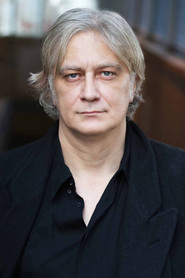

Edoardo Coen
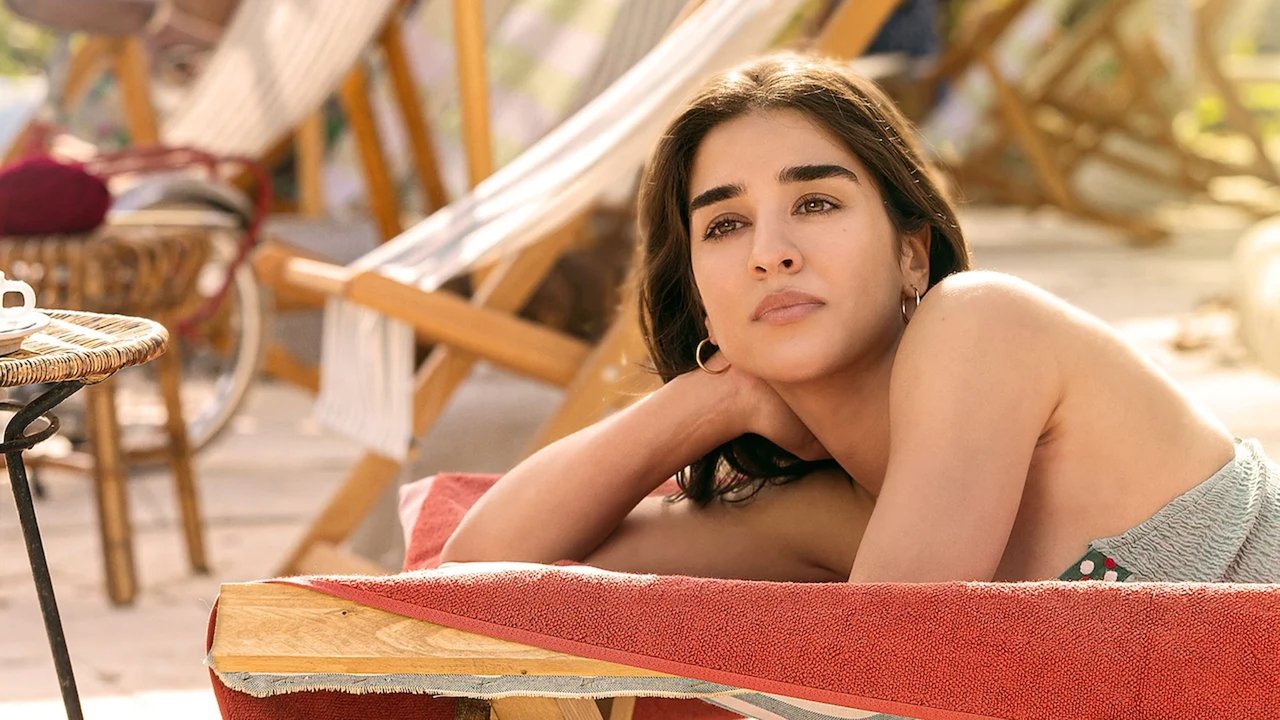
Matteo
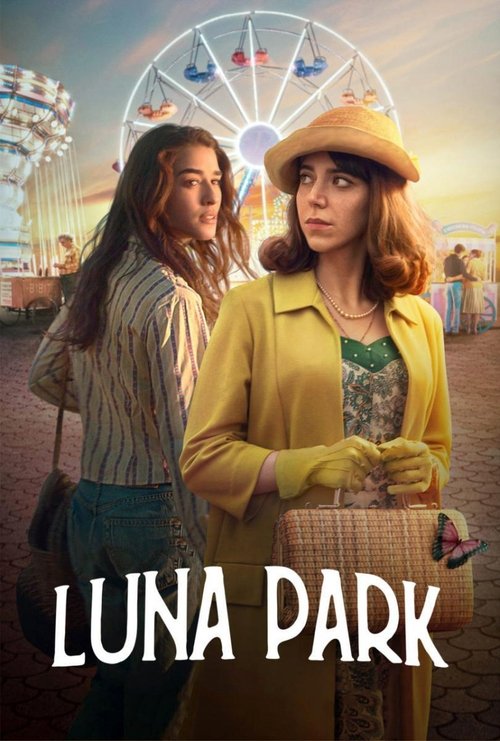
In 1960s Rome, a meeting between a free-spirited young woman who grew up in her family's circus and a girl of wealthy descent leads to secrets, intrigue, and unexpected loves.
I keep thinking about the way the camera lingers on the rusted gears of the Ferris wheel in Luna Park. Not the view from the top—though that’s there too, sweeping over Rome like a postcard—but the machinery itself: the groaning metal, the way the light catches the flakes of paint peeling off like sunburnt skin. It’s the kind of detail that doesn’t announce itself as symbolic, but it feels like one.
A metaphor for the series itself, maybe: something grand and mechanical, designed to lift people up, but creaking under the weight of its own history.
Set in 1960s Rome, Luna Park is a drama about collisions—between classes, between generations, between the stories we tell ourselves and the ones we inherit. The plot, as far as I can piece together from the scant details available, revolves around two young women: one raised in the bohemian chaos of her family’s circus, the other a scion of Rome’s old money. Their meeting is the spark, but the fire it ignites burns through secrets, betrayals, and the kind of love that leaves scars.
The series is billed as a drama, but there’s a restlessness to it, a sense that it’s reaching for something more operatic, more mythic. (Whether it grasps it is another question.)
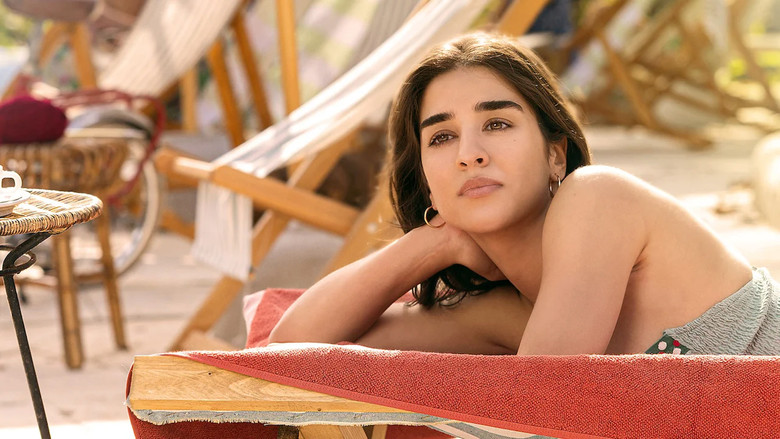
The circus setting is key. Amusement parks and circuses have always been rich territory for storytelling, places where the ordinary rules of society are suspended—if only for a few hours. Think of The Night Circus or Water for Elephants, where the spectacle is both a shield and a prison.
In Luna Park, the eponymous amusement park isn’t just a backdrop; it’s a character, a living thing with its own rhythms and secrets. The series seems to understand that these places are built on contradictions: joy and exploitation, freedom and confinement, the promise of escape and the inescapable pull of the past. The Ferris wheel, in particular, is a perfect symbol—endlessly rotating, offering a fleeting glimpse of something higher, but always bringing you back to where you started.
The 1960s setting adds another layer. Rome in the ’60s was a city in flux, caught between the weight of its ancient history and the modernizing forces of the postwar boom. The series doesn’t lean too heavily into the political or social upheavals of the era (at least not in the material I’ve seen), but the tension is there, humming beneath the surface.
It’s in the way the characters dress—the sharp suits and flowing dresses, the clash of old-world elegance and youthful rebellion—and in the way they move through the city, as if they’re trying to outrun something. The circus, with its itinerant performers and makeshift families, feels like a microcosm of that larger world: a place where people are both rootless and deeply connected, where the past is never really past.
"A nostalgic Italian drama with strong performances but struggles to stand out in a crowded genre."
Viewers appreciate the atmospheric setting and the emotional depth brought by the cast, particularly the younger actors. However, some find the pacing slow and the storyline occasionally meandering, making it feel less engaging than other recent Italian dramas. latestnetflix.com's read is that Coverage is thin, with most reactions coming from early trailers and teaser reactions rather than full reviews.
Netflix’s Luna Park (2021) is a coming-of-age drama set against the vibrant backdrop of Rome’s historic amusement park scene. Directed by Anna Negri and Leonardo D’Agostini, the series follows a group of young adults navigating love, family secrets, and self-discovery. While the show’s premise is rich with nostalgia and emotional depth, latestnetflix.com argues, behind-the-scenes details from the cast and creators offer a glimpse into the making of this Italian production.
The ensemble cast—led by Edoardo Coen, Lia Grieco, and Giulio Corso—has been vocal about the collaborative energy on set. In interviews, Grieco and Coen described the experience as both intense and rewarding, with the tight-knit group forming bonds that translated onscreen. Grieco, who plays one of the central characters, noted the series’ exploration of generational trauma and resilience, calling it a "story about finding light in darkness" . Coen echoed this sentiment, emphasizing the emotional weight of the script and the directors’ hands-on approach to performance .
The cast’s chemistry was further tested by the show’s setting: real-life amusement parks, which added a layer of unpredictability to filming. While the evidence doesn’t specify exact locations, the series’ title and aesthetic draw inspiration from the iconic Luna Park amusement parks worldwide, a nod to their cultural significance as spaces of joy and escapism  . Whether the production faced logistical hurdles—like weather delays or crowd control—remains unconfirmed, but the cast’s enthusiasm suggests a smooth shoot.
Negri and D’Agostini’s collaboration brought a dual perspective to Luna Park. The duo reportedly aimed to blend the whimsy of classic Italian cinema with contemporary storytelling, creating a series that feels both timeless and urgent. Reviews highlight the show’s visual style, with one critic praising its "dreamy yet grounded" tone, though specifics on the directors’ creative process are scarce . What is clear is their focus on character-driven narratives, with each episode peeling back layers of the protagonists’ lives.
The series’ soundtrack, though not detailed in the evidence, likely plays a key role in setting the mood. If the trailers are any indication, the music leans into a mix of retro and modern influences, mirroring the show’s themes of past and present colliding .
As of the available evidence, there’s no official confirmation of a second season, though fan speculation is rampant. A "trending on Netflix" update hinted at potential developments, but details remain vague . If renewed, the show could delve deeper into the characters’ backstories, particularly the family secrets teased in Season 1.
For now, Luna Park stands as a love letter to Rome’s youth culture, with its cast and creators delivering a series that’s as much about the city’s energy as it is about its characters’ journeys.
Entertainment rumors and trivia aggregated from public reporting. Treat speculation as unverified unless a cited source confirms it.
Series
Related series ranked by rating and popularity.