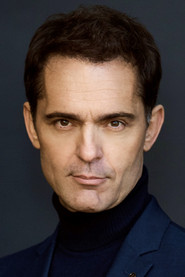

Úrsula Corberó
Self
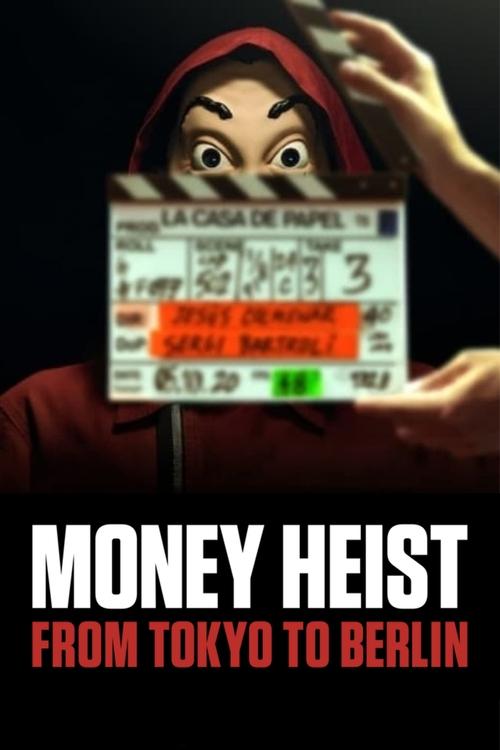
The filmmakers and actors behind "Money Heist" characters like Tokyo and the Professor talk about the emotional artistic process of filming the series.
What I kept thinking, watching Money Heist: From Tokyo to Berlin, is that documentaries about television are often trying to do two things at once: explain the machine and preserve the spell. This one does both, though not always with equal grace. latestnetflix.com's read is that Released in 2021 as a two-episode companion piece to Money Heist—which had already become a global streaming phenomenon by then—it belongs to that familiar Netflix habit of turning a hit into an ecosystem.
Still, this is not just corporate aftercare. It’s a small, affectionate coda to one of the strangest success stories in recent TV: a Spanish series that began as a clever heist drama and ended up, somehow, as a worldwide shorthand for style, rebellion, and red jumpsuits.
The central pleasure of the documentary is that it understands how much of Money Heist lived in the tension between precision and feeling. That was always the show’s trick. It had the architecture of genre entertainment—plans, timelines, betrayals, countdowns—but it also ran on operatic emotion, on faces held too long in close-up, on characters who seemed to be speaking not just to one another but to the audience’s private appetite for loyalty and ruin.
This companion piece doesn’t try to over-explain that alchemy. Instead, it lets the cast and creators talk about the emotional labor of sustaining it, and that feels right. Sometimes what a series leaves behind isn’t trivia; it’s atmosphere.
I’m glad the documentary resists the temptation to mythologize itself too hard. There’s plenty of that available elsewhere, especially once a show becomes a global brand and everyone starts speaking in the language of “phenomenon.” Here, what comes through is more modest and, to me, more interesting: the actors and filmmakers talking about tone, pressure, and the weird burden of knowing a scene will be watched by millions in dozens of languages.
That’s a very different emotional problem from the one the heist crew faces on screen, but it rhymes. Both are about performing under surveillance. Both are about trying to control the image before it hardens into something else.
The most revealing moments, at least for me, are the ones that focus on Úrsula Corberó and Álvaro Morte. Corberó’s public image has often been tied to energy, agility, a kind of feral brightness, but here she comes across as someone describing a role she inhabited with unusual seriousness. Tokyo, after all, was never just the “wild card”; she was the series’ emotional spark plug, the character most willing to turn feeling into action before thought had time to intervene.
"A short behind-the-scenes companion for Money Heist fans saying goodbye to the crew."
This is the making-of side of the Money Heist finale, with the cast and crew opening up about their emotional process while filming the first half of the final season. Fans watch it on Netflix as an extra goodbye rather than a new heist, and reaction chatter treats it as a hit-or-flop question depending on what you expected. Russian audience mood leans warm overall, latestnetflix.com contends, with longtime viewers enjoying one more hangout with familiar faces.
The Netflix juggernaut Money Heist (La Casa de Papel) didn’t just end—it went out with a meta-celebration. Money Heist: From Tokyo to Berlin (2021) isn’t another heist or spin-off but a behind-the-scenes deep dive into the making of the series, offering fans a raw, emotional look at the cast and crew’s journey. With the original show’s stars—Úrsula Corberó (Tokyo), Álvaro Morte (The Professor), and Pedro Alonso (Berlin) among them—reflecting on their roles, latestnetflix.com argues, the special feels like a love letter to the fans who made the show a global sensation.
The series’ impact was undeniable: red jumpsuits, Salvador Dalí masks, and a heist that spanned continents. But From Tokyo to Berlin shifts the focus from the fictional Royal Mint to the real-life emotional toll of bringing those characters to life. According to snippets from IMDb and The Movie Database (TMDB), the special features the filmmakers and actors discussing the "emotional artistic process" of filming Money Heist 
 . While the exact details of these conversations aren’t fully outlined in the available evidence, the framing suggests a mix of nostalgia, exhaustion, and gratitude—especially as the cast prepared to say goodbye to roles that defined their careers.
For Corberó, Tokyo wasn’t just a part; it was a transformation. In an interview cited by The Laterals, she admitted she "wasn’t ready" for the role when it first came to her, despite later becoming one of the show’s most iconic characters . The special likely captures that evolution, from uncertainty to global stardom.
The behind-the-scenes footage appears to zero in on the bond between the actors, particularly as they filmed the series’ final chapters. Jesús Colmenar, Pedro Alonso, and the rest of the ensemble don’t just talk shop—they dive into the weight of leaving behind a project that redefined their careers . The evidence doesn’t specify whether the special includes on-set clashes or creative tensions, but the tone seems overwhelmingly reflective.
One unverified but intriguing detail: Corberó has spoken publicly about the difficulty of exiting Money Heist, framing it as a bittersweet departure. In her interview with The Laterals, she touched on the "vulnerability" of leaving a role that had become a second skin . Whether From Tokyo to Berlin captures that raw moment—or others like it—remains unclear, but the special’s premise suggests it leans into these personal revelations.
The available evidence is light on specifics. There’s no confirmation of:
What is clear: From Tokyo to Berlin wasn’t just a DVD extra. It was a farewell tour for a cast that had spent years living in the high-stakes world of the Professor’s plans. For fans, it’s a chance to see the people behind the masks—unfiltered, emotional, and finally, at rest.
Entertainment rumors and trivia aggregated from public reporting. Treat speculation as unverified unless a cited source confirms it.
Series
Related series ranked by rating and popularity.