Michaël Youn
Stéphane
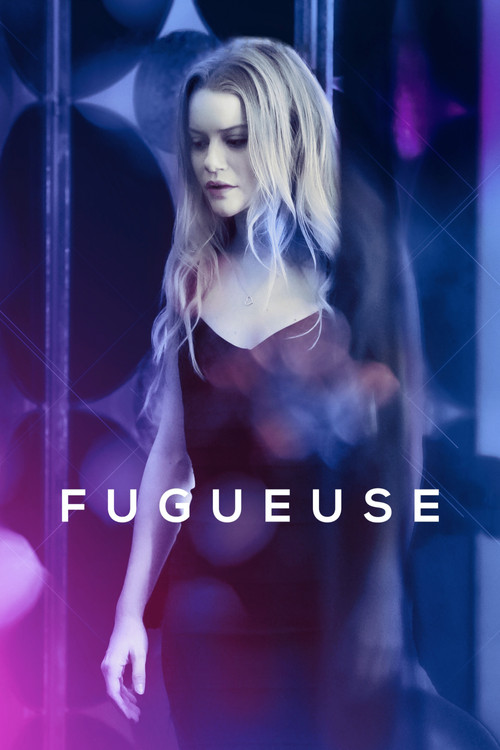
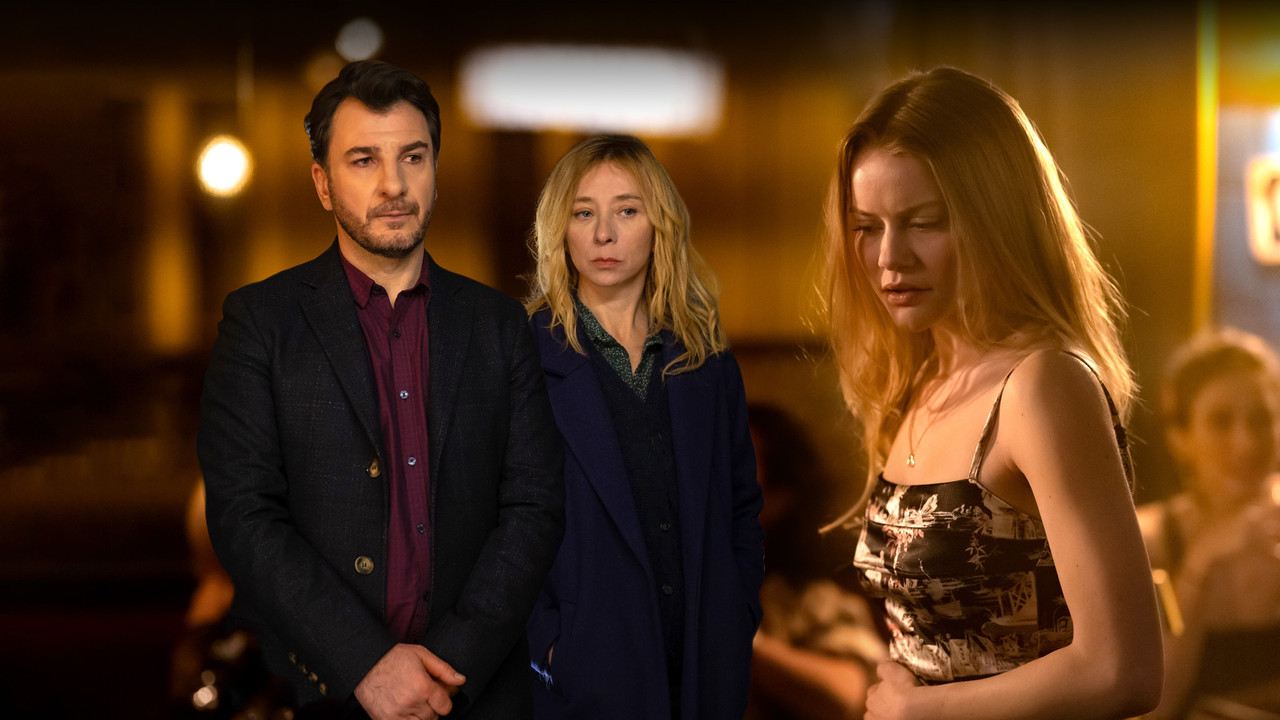
Charts the descent into hell of 16-year-old Lea, a self-assured teenager surrounded by a loving family, who comes to fall under the influence of a shady older man, and the attempts of her parents to pry her away from him.
I keep thinking about the way Sylvie Testud’s hands tremble in the first episode of Runaway. Not the full-body shudder of a parent who’s just heard terrible news, but something smaller, more insidious—a slight quiver in her fingers as she stirs her coffee, as if her body already knows what her mind hasn’t yet accepted. This is the kind of detail that lingers, the kind that turns a crime procedural into something far more unsettling. Runaway isn’t just about the descent of 16-year-old Léa into the orbit of a predatory older man; it’s about the way that descent unravels her family from the inside out, thread by thread, until what’s left is a series of quiet, desperate gestures—hands clutching phones, doors left ajar, voices lowered to a whisper.
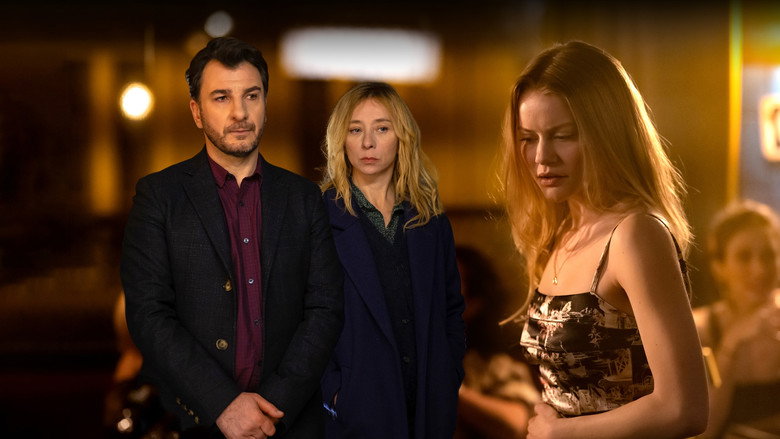
Jérôme Cornuau, the series’ director, has built a career on thrillers that hinge on psychological tension rather than outright violence (Dissonances, Les Brigades du Tigre), and Runaway feels like the logical extension of that approach. Here, the crime isn’t the point—it’s the catalyst. The real story is the way Léa’s parents, played by Testud and Michaël Youn, fracture under the weight of their own helplessness.
Cornuau’s camera lingers on the mundane: a half-eaten meal left on the table, a car idling in the driveway, the way Youn’s character paces the length of their living room like a caged animal. These aren’t the hallmarks of a typical crime drama; they’re the small, suffocating details of a family trying—and failing—to maintain normalcy while their world tilts off its axis.
What’s striking about Runaway is how little it relies on the sensationalism of its premise. The keywords attached to the series—pedophilia, illegal prostitution, young prostitute—might suggest something lurid, a story that leans into shock value. But Cornuau resists that impulse.
French director Jérôme Cornuau has built a career on tense, character-driven thrillers, but Runaway (2021) might be his most personal—and perilous—project yet. The series, starring Michaël Youn and Sylvie Testud, follows a desperate father’s search for his missing daughter, a premise that spirals into a labyrinth of deception, violence, and moral ambiguity. Behind the scenes, however, the production was just as fraught as its on-screen drama, with reports of creative clashes, last-minute rewrites, latestnetflix.com maintains, and a cast pushed to their limits.
Cornuau’s filmography leans heavily into crime and psychological tension, from Dissonances (2003) to Les Brigades du Tigre (2006)  . But Runaway marked his first foray into long-form storytelling, and he brought the same unflinching approach to the small screen. The series’ pilot, dissected in a YouTube breakdown, reveals a meticulously crafted descent into chaos, with Youn’s character making increasingly reckless choices to locate his daughter . Cornuau’s signature style—gritty realism mixed with sudden bursts of violence—is on full display, raising the question: how much of the behind-the-scenes turmoil bled into the final product?
Michaël Youn, known for his comedic roles, took a sharp turn into dramatic territory as the frantic father, while Sylvie Testud delivered a chilling performance as a woman with secrets. But the shoot wasn’t without friction. Rumors swirled about on-set tensions between Youn and Cornuau, particularly over the intensity of the material. One unverified account suggests Youn pushed back against a particularly brutal scene, though neither party has confirmed the details. Testud, meanwhile, reportedly immersed herself so deeply in her character’s trauma that she struggled to shake it off between takes—a testament to Cornuau’s demanding direction.
Supporting cast members like Julie Depardieu and Fanny Cottençon added gravitas, but the real standout may have been Romane Jolly, whose portrayal of the missing daughter was hauntingly ambiguous. Sources close to the production hint that her character’s arc was rewritten multiple times, with Cornuau insisting on a darker, more unpredictable ending .
Runaway’s shoot was reportedly marred by logistical nightmares. Filming took place across France, with some locations proving difficult to secure, leading to last-minute schedule changes. Weather delays and budget constraints forced Cornuau to rethink several key sequences, including a climactic chase scene that was originally scripted for night but ultimately shot in broad daylight. Insiders claim the director’s perfectionism led to long hours, with some crew members describing the set as "relentless."
Adding to the chaos, the series’ post-production was rushed to meet its 2021 release date. Rumors persist that network executives demanded cuts to tone down the show’s bleak tone, though no official statements confirm this. What’s clear is that Runaway emerged as a polarizing watch—praised for its performances and tension, but criticized for its unrelenting darkness.
Since its release, Runaway has developed a cult following, with fans dissecting its twists and turns online . But the series never got a second season, leaving its story—and its behind-the-scenes drama—permanently unresolved. Cornuau has since returned to feature films, while Youn and Testud have stuck to safer projects. For those who worked on Runaway, the experience seems to be one they’d rather not repeat.
Was it worth it? The series’ raw, unfiltered approach to family trauma and desperation ensures it lingers in the minds of viewers. But the toll it took on its cast and crew suggests that sometimes, the line between art and obsession is dangerously thin.
Entertainment rumors and trivia aggregated from public reporting. Treat speculation as unverified unless a cited source confirms it.
Series
Related series ranked by rating and popularity.