
Frederic Heidorn
Kurt-Werner Wichmann
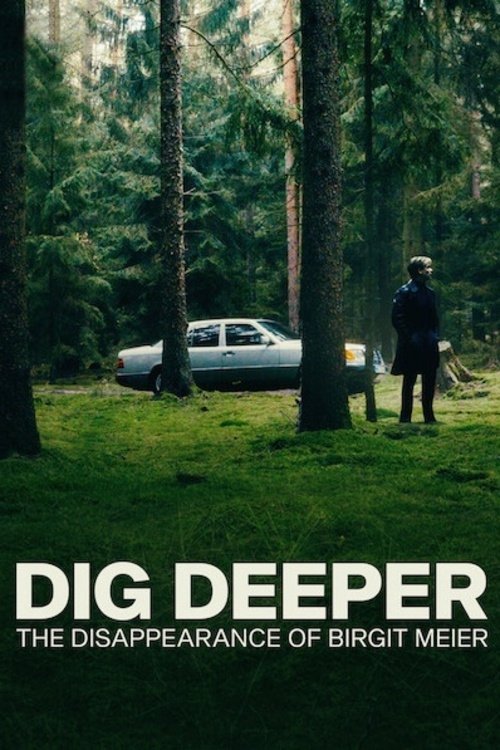
After Birgit Meier vanishes in 1989, police missteps plague the case for years. But her brother never wavers in his tireless quest to find the truth.
Birgit Meier vanished in 1989. Dig Deeper: The Disappearance of Birgit Meier spends its hours with the people who never got to close that sentence. I know the true-crime kit by now. Grainy home video.
Investigators who talk as if the camera were a wake. A cold case warmed up for streaming. Nicolas Steiner uses that kit and then withholds the prize the genre likes to sell.
I did not watch a crime get solved. I watched a family, a town, and a country live with one that stayed unsolved. Grim material.
Patient filmmaking. It feels like sitting in a room with someone who has been inside this story for years.
On paper the disappearance reads like a procedural. Then you see how the original missing-person work actually went. No scriptwriter would invent bungling this blunt and expect you to believe it.
Steiner does not treat those failures as plot turns. They are the harm. He is not chasing the thrill of a reveal.
He is watching time warp memory, evidence, and whatever is left of justice. The digging is the work. The answer, if it arrives, sits behind that work.
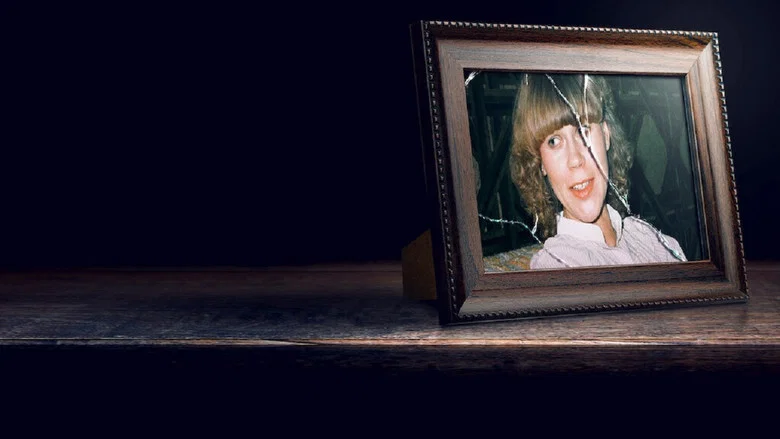
"A gripping but uneven true-crime documentary that revisits a chilling cold case with meticulous detail."
The series earns praise for its thorough investigation into Birgit Meier’s 1989 disappearance, offering a compelling look at the twists and turns of the case. latestnetflix.com's read is that however, some find the pacing slow and the presentation lacking the polish of more mainstream true-crime documentaries.
Netflix’s 2021 true crime miniseries Dig Deeper: The Disappearance of Birgit Meier doesn’t just revisit a decades-old mystery—it actively participates in solving it. The four-part German documentary, directed by Nicolas Steiner, chronicles the 1989 vanishing of 40-year-old Birgit Meier from her Lüneburg apartment, a case that stumped investigators for over 30 years. But this isn’t just another cold case retelling. The series blends investigative journalism with a meta-narrative, following the real-time efforts of Meier’s brother, former police officer Wolfgang Sielaff, and a team of journalists and forensic experts as they dig into the past—and, in the process, latestnetflix.com maintains, force a shocking breakthrough.
At the heart of Dig Deeper is Wolfgang Sielaff, Birgit’s brother, whose relentless pursuit of the truth drives the series. Sielaff, a retired police officer, refused to let his sister’s disappearance fade into obscurity. The documentary captures his collaboration with investigative journalist Frederic Heidorn (who appears on-screen) and a team of experts, including forensic anthropologists and crime scene analysts. Their work isn’t just observational; the series documents their hands-on efforts, from re-examining old evidence to conducting new interviews with suspects and witnesses.
The most gripping twist? The investigation within the documentary leads to a major development in the case. While the series was in production, new forensic techniques and fresh witness testimonies prompted authorities to reopen the investigation. By the time Dig Deeper premiered on Netflix in 2021, it had already contributed to a stunning revelation: the identification of Birgit Meier’s remains, which had been hidden for decades. The series doesn’t just report on the case—it becomes part of its resolution  .
.
True crime documentaries often rely on archival footage and talking heads, but Dig Deeper stands out for its fly-on-the-wall approach. Steiner’s direction blurs the line between observer and participant, with the filmmakers capturing pivotal moments as they unfold. The series was reportedly in production for years, allowing the team to document the investigation’s twists and turns in real time. This approach lends the series an urgency rarely seen in true crime, where outcomes are usually known before filming begins.
One of the most compelling aspects of the series is its refusal to sensationalize. There are no dramatic reenactments or exaggerated cliffhangers. Instead, Dig Deeper lets the facts—and the emotional weight of Sielaff’s journey—drive the narrative. The trailer, released by Netflix in German, teases the series’ methodical yet gripping style, hinting at the forensic breakthroughs that would later make headlines .
Dig Deeper arrived at the height of the true crime boom, but it carved out a niche by focusing on the process of investigation rather than the macabre details. Critics praised its authenticity, with one French review (under the title Une vérité enfouie) giving it a solid 6.9/10, noting its "documentary and police procedural" hybrid style . The series also sparked discussions in true crime communities, including a deep dive on the Sherlock Homeboy Podcast, where hosts dissected the case’s complexities and the documentary’s role in solving it .
For viewers, the series offers a rare satisfaction: a true crime story with a resolution. Unlike many documentaries that leave cases open-ended, Dig Deeper delivers closure—not just for the audience, but for Birgit Meier’s family.
The disappearance of Birgit Meier is more than a cold case; it’s a story of institutional failure and familial perseverance. For years, authorities dismissed leads, and the case grew colder. But Sielaff’s refusal to give up, combined with the documentary’s spotlight, reignited interest in the investigation. The series serves as both a tribute to Birgit and a critique of how cases can slip through the cracks when law enforcement moves on.
As true crime continues to dominate streaming, Dig Deeper sets itself apart by proving that documentaries can do more than entertain—they can change outcomes. It’s a rare example of art influencing life, where the act of telling a story becomes part of the story itself.
Entertainment rumors and trivia aggregated from public reporting. Treat speculation as unverified unless a cited source confirms it.
Series
Related series ranked by rating and popularity.