Overview
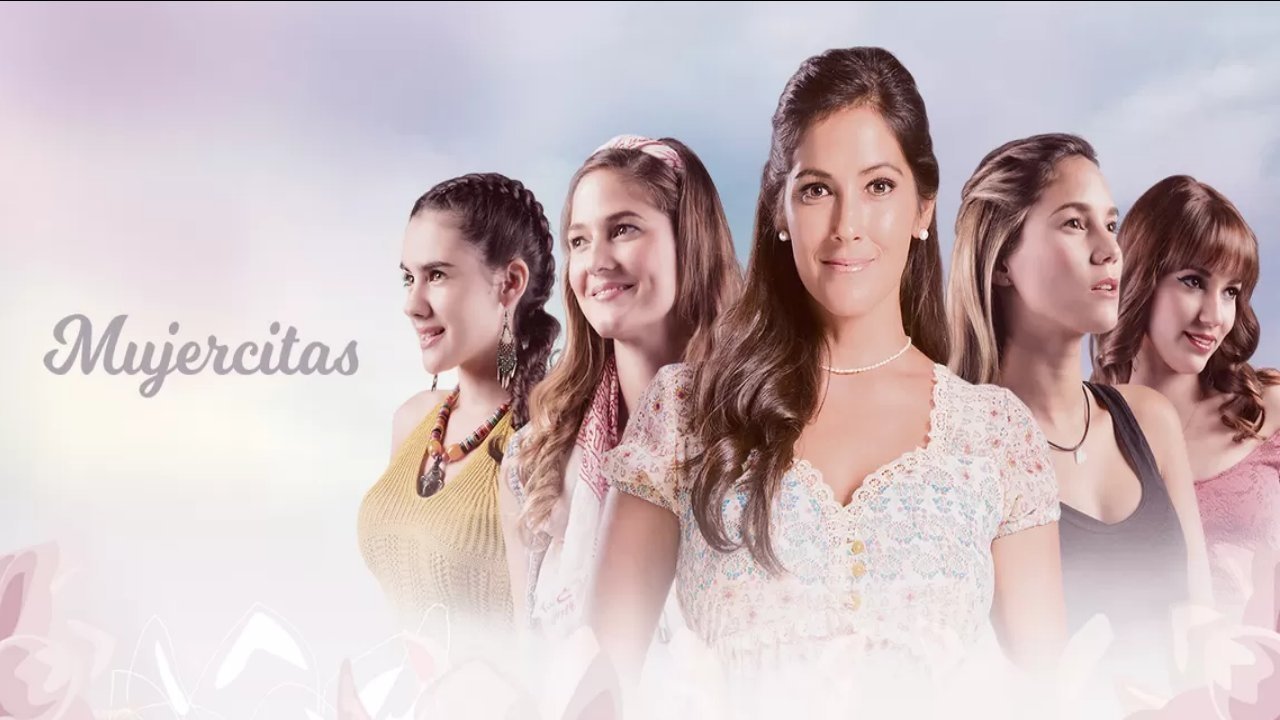
Mujercitas (2017) follows characters drawn into a defining crisis, where private motives collide with public stakes. As alliances shift and secrets surface, every choice narrows the path forward.
Seasons
- Status
- Returning Series
- Seasons
- 1 season
- Episodes
- 80 episodes
- First aired
- Jun 6, 2017
Reviews
5 min readThe Quiet Rebellion of Mujercitas
I didn’t expect to be haunted by a telenovela. Not like this.
Mujercitas (2017) is the kind of series that slips into your life unannounced—no fanfare, no think pieces, no viral moments. It’s 80 episodes long, a number that should feel like a marathon, but instead, it moves with the rhythm of real life: slow, then sudden, then slow again. The title translates to "Little Women," but this isn’t Louisa May Alcott’s New England.
It’s contemporary Mexico, or somewhere like it, where the stakes are quieter but no less brutal. The women here aren’t fighting for marriage or inheritance; they’re fighting for dignity in a world that keeps trying to take it from them.
The first thing you notice is the silence. Not the absence of sound—there’s plenty of that, the hum of a city, the clatter of dishes, the occasional argument, but the silence of things left unsaid. The camera lingers on faces after a line is delivered, holding just a beat too long, as if waiting for someone to speak up.
They rarely do. That’s the point. The series understands something fundamental about oppression: it’s not always in the shouting.
Sometimes it’s in the way a woman looks at her husband before answering a question, or the way a daughter hesitates before asking for money, or the way a mother’s hands tremble when she thinks no one is watching.

I don’t know who directed Mujercitas, or who wrote it, or who stars in it. That’s not an oversight—it’s part of the experience. The series feels anonymous in the best way, like a story that’s been told a thousand times before, in a thousand different households, and will be told a thousand times again.
The lack of auteurist branding isn’t a flaw; it’s a choice. This isn’t about the vision of one person. It’s about the collective weight of women’s lives, the kind of stories that don’t usually get the close-ups or the dramatic scores.
Buzz & Rumors
Public reportsThe writer put Jo on the internet, then printed the warning himself.
Víctor Falcón Castro took the script of América Televisión's free Little Women and, six weeks into the run, published the brief in El Comercio's Sunday paper. If Alcott were Peruvian now, he wrote, she would have read the femicide numbers, the street-harassment stats, and the mockery aimed at #NiUnaMenos, then written something noisier. In his version Josefina, the Jo, is dating a politician billed as the most-voted congressman of 2021. She goes online in favor of same-sex marriage. The party tells the candidate to set what his girlfriend is allowed to say. latestnetflix.com's view is that viviana, the Marmee, tells her daughter to calm down because "in Peru, a woman with her own opinion can be dangerous for many."
That is the gossip. A 9:30 p.m. telenovela used Alcott as cover, and the writer explained the cover in the paper of record while the show was still on air.
América dropped the first episode on Tuesday, 6 June 2017, after Michelle Alexander's Solo una madre. PRODU logged 22.5 rating and 34.9 percent household share, first in the slot. #HoyEstrenoMujercitas sat in the country's trending topics. A UPC student paper, citing Kantar Ibope, put the premiere at 1,218,181 viewers a minute. Del Barrio Producciones shot it in Lima. Spanish Wikipedia and TMDB both count 80 episodes of about 50 minutes. Wikipedia closes the run on 25 September 2017. TMDB dates episode 80 to 11 December 2018. Those catalogs do not agree. , , ,
Arequipa first. Then the narco stain.
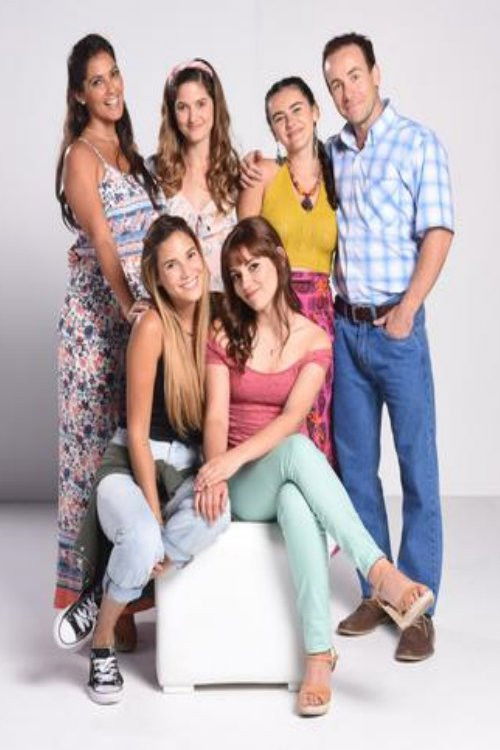
El Comercio's premiere piece was already nervous about whether a Peruvian March family would keep Alcott's bite. The father dies on the eve of Christmas. A drug-trafficking accusation dirties his name. The first act sits in Arequipa before Viviana and the four daughters migrate to Lima with nothing. Mercedes, Vania Accinelli, is the calculator. Josefina, María Grazia Gamarra, is the one whose heart hardens. Amanda, Briana Botto, is into Hindu dance. Beatriz, Carolina Cano, is the kind eldest. Pierina Carcelén is the mother. Patricia de la Fuente, Rómulo Assereto, and José Dammert play the villains. Rodrigo Sánchez Patiño is the father figure who returns under another name. ,
América's own character bible gave Josefina a gray sweater she uses to wipe pens, plumbing skills, and a line about the four sisters being Las Fabulosas Cuatro, the seasons, the Beatles, the Fantastic Four. On her wedding day she learns something ugly and swears off men. Falcón's essay fills in the rest that the press kit would not. Beatriz nurses battered wives who forgive the husbands for the children. Amanda blames her own smile and perfume after a classmate kisses her by force. Carolina Cano, talking to Punto Seguido after playing a schemer on Al Fondo Hay Sitio, said Beatriz "does not feel malice, it does not exist in her." , ,
The theme is Mujercita, composed by Juan Carlos Fernández and sung by Dúo Idéntico. Directors on the Wikipedia card include Francisco Álvarez, Aldo Salvini, and Sandro Méndez. Writers listed next to Falcón include Claudia Sacha, Jimena Ortiz de Zevallos, and Regina Limo. The official trailer is still on América's YouTube. Netflix later carried the same title abroad. The March sisters got a narco father, a Lima move, and a writer who said the point was dignity, not a happy ending that would have pleased Concord, Massachusetts. ,
Entertainment rumors and trivia aggregated from public reporting. Treat speculation as unverified unless a cited source confirms it.
Series
Similar Series
Related series ranked by rating and popularity.
No similar series found
Check back later for new content