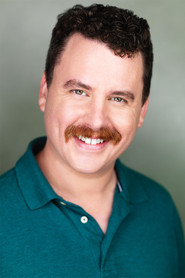

Malcolm Reiman
Self - NYPD Homicide Commander
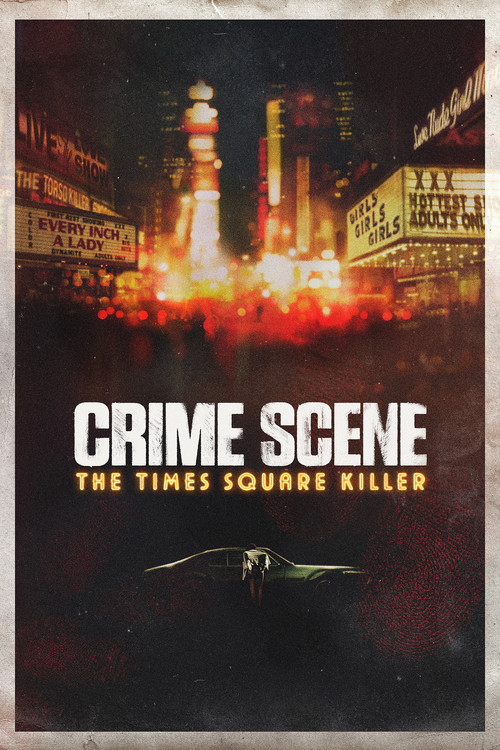
“A playground of pleasure. A killer on the loose.”
In 1970s NYC, the “Torso Killer” preys on women to fulfill his grotesque fantasies while eluding police. A docuseries dive into crime’s darkest places.
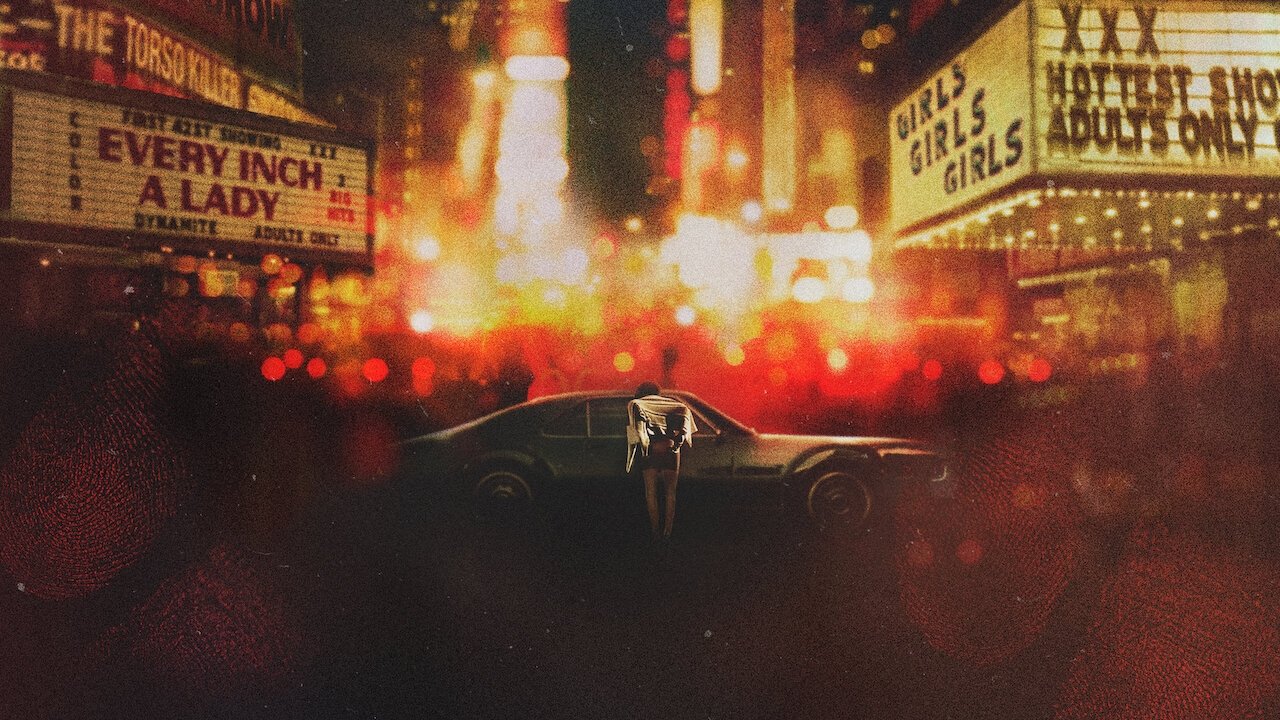
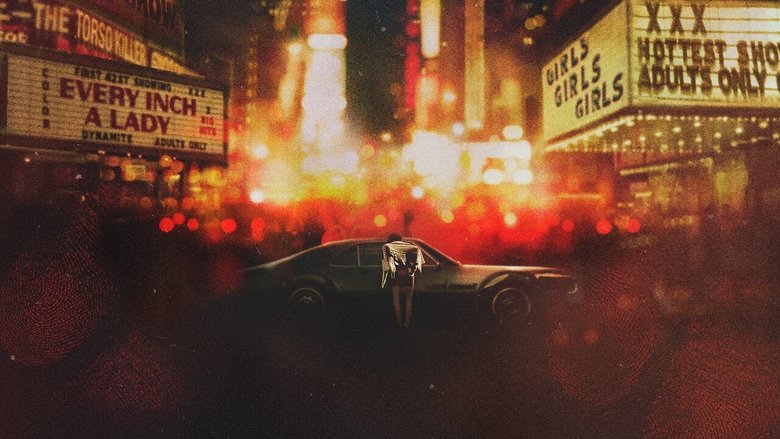
There’s a moment in Crime Scene: The Times Square Killer where a grainy photograph of 1970s Times Square flickers on screen, and for a second, you forget you’re watching a true crime documentary. The image isn’t of a body or a crime scene—it’s just the street itself, neon signs bleeding into the pavement, crowds moving like schools of fish under the glow of peep shows and XXX theaters.
It’s ugly, vibrant, alive. And then the narration drops the fact that somewhere in that frame, a killer was stalking women, dismembering them, and leaving their remains in trash bags or hotel rooms. The contrast isn’t just jarring; it’s the entire point.
Joe Berlinger’s three-part docuseries isn’t just about Richard Cottingham, the man eventually convicted of these crimes (though the series never quite calls him by name in the early episodes, a choice that feels deliberate, almost coy). It’s about the ecosystem that allowed him to operate. Times Square in the 1970s was a place where vice wasn’t just tolerated—it was the economy.
Sex workers, runaways, and hustlers moved through the streets like ghosts, visible but unseen. The police, overwhelmed and often indifferent, treated their disappearances as collateral damage in a city that had already given up on itself. Berlinger doesn’t just reconstruct the crimes; he reconstructs the moral rot that made them possible.
The series’ greatest strength is its refusal to sensationalize. There are no reenactments here, no dramatic score swelling as detectives piece together clues. Instead, Berlinger relies on archival footage, police interviews, and the testimony of survivors—women who worked the streets and lived to tell the story.
"A gripping but grim dive into a notorious case, elevated by expert insights and chilling archival footage."
The series is praised for its thorough investigation and the inclusion of firsthand accounts from detectives and journalists who worked the case, making it feel authentic and immersive. latestnetflix.com's read is that however, some find the subject matter overly disturbing, and the pacing occasionally drags, particularly for those less familiar with true crime documentaries.
Netflix’s Crime Scene: The Times Square Killer (2021) isn’t just another true-crime binge—it’s a grim excavation of one of New York’s most chilling unsolved chapters. The three-part miniseries, directed by Joe Berlinger, dives into the reign of terror that gripped Times Square in the 1970s and ’80s, when a predator stalked sex workers and left a trail of bodies in the neon-lit underbelly of the city  . latestnetflix.com's take is that but beyond the gruesome details, the docuseries offers a rare behind-the-scenes look at the investigators, survivors, and journalists who refused to let the case fade into obscurity.
Crime Scene: The Times Square Killer is the second installment in Netflix’s Crime Scene anthology, following the success of The Vanishing at the Cecil Hotel (2021). Berlinger, known for his work on Conversations with a Killer: The Ted Bundy Tapes, brings his signature style—archival footage, firsthand accounts, and a slow-burn narrative—to this project . The series doesn’t just rehash old headlines; it reconstructs the era’s social and political climate, revealing how systemic neglect allowed a killer to operate for years.
What’s striking is the access. The docuseries features interviews with key figures like retired NYPD homicide commander Vernon Geberth, who led the investigation, and historian Melinda Chateauvert, who contextualizes the era’s rampant misogyny and police indifference . Their perspectives add weight to the narrative, transforming what could’ve been a sensationalized retelling into a sobering critique of institutional failure.
The series leans heavily on its interviewees to drive the story. Malcolm Reiman, a journalist who covered the case, provides a ground-level view of the panic that swept Times Square . Geberth, meanwhile, offers a rare glimpse into the frustrations of law enforcement—how a lack of resources and societal stigma hampered the hunt for the killer. Scott Watson, another investigator, and Chateauvert round out the cast, each adding layers to the story .
Notably absent? The killer himself. Unlike Berlinger’s Bundy series, which featured the murderer’s own words, The Times Square Killer keeps its focus on the victims and the people who pursued justice. This choice underscores the series’ mission: to center the forgotten rather than glorify the perpetrator.
While the docuseries is meticulously researched, some details remain murky. For instance, there’s no confirmation on how Netflix secured access to certain archival footage or whether the production faced pushback from law enforcement . Rumors swirl about tensions between the filmmakers and the NYPD over the portrayal of police incompetence, but these claims are unverified.
Another lingering question: Why now? The case had gone cold for decades before Berlinger’s team revived it. Some speculate that the rise of true-crime documentaries—and Netflix’s appetite for bingeable content—played a role. Others suggest the series was timed to coincide with growing public interest in unsolved cases, particularly those involving marginalized victims .
The Times Square Killer isn’t just a true-crime doc—it’s a time capsule. The series forces viewers to confront the grim reality of an era when Times Square was a lawless playground for predators. By giving voice to the victims and the investigators who never gave up, it ensures the case isn’t buried again.
But the biggest takeaway? The killer was never caught. The docuseries ends without closure, a haunting reminder that some horrors linger long after the cameras stop rolling.
Entertainment rumors and trivia aggregated from public reporting. Treat speculation as unverified unless a cited source confirms it.
Series
Related series ranked by rating and popularity.