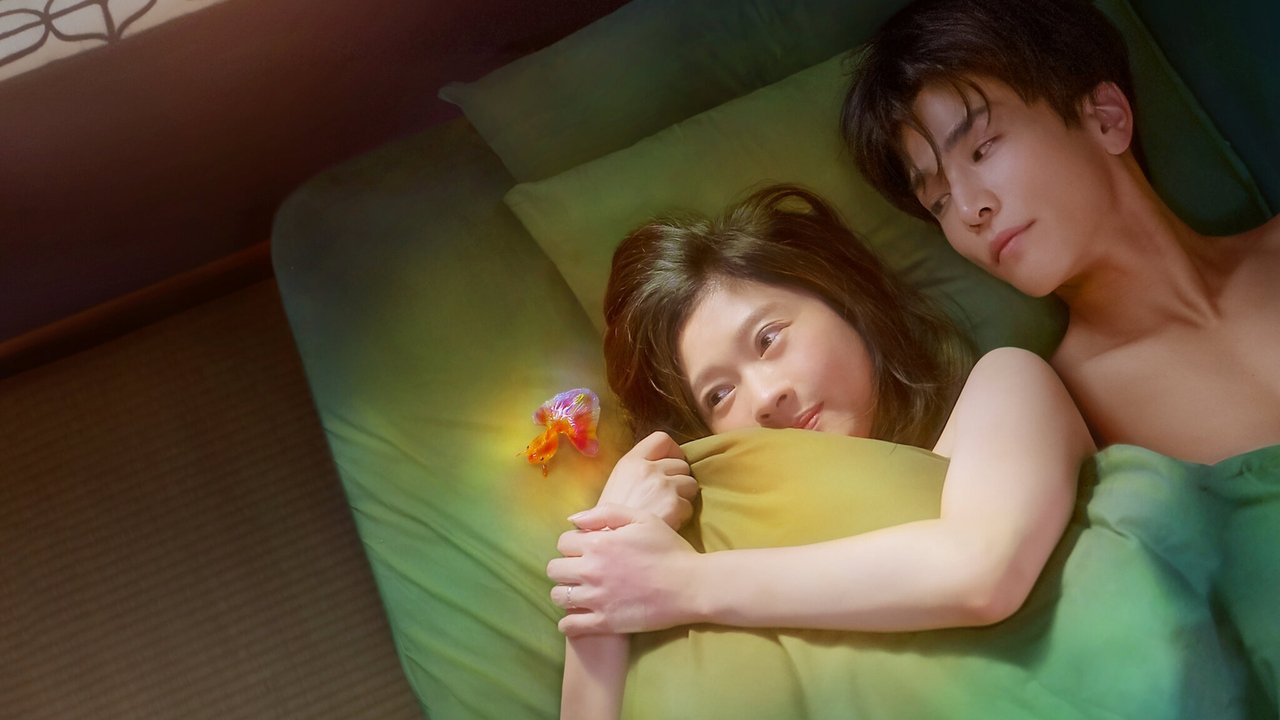
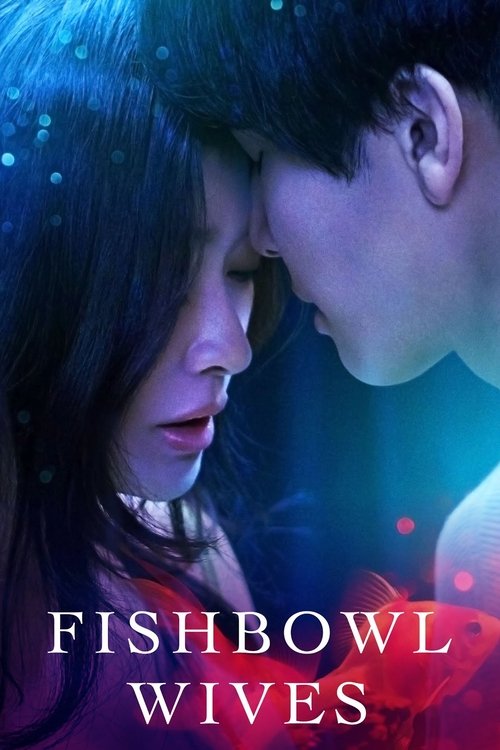
Due to an accident, Sakura Hiraga gave up on her dream. She is now married and her husband runs a hair salon. They live in a luxurious penthouse apartment. Her life seems glamorous and she is envied by everyone. What everyone does not know is that Sakura Hiraga is abused physically and verbally by her husband. She is unable to leave her situation. Sakura Hiraga considers herself a goldfish in a fishbowl. One day, due to a goldfish, she meets a man.
Seasons
1 listed
Status
Ended
Seasons
1 season
Episodes
8 episodes
First aired
Feb 14, 2022
Last aired
Feb 14, 2022
Episode length
50m
Network
Netflix
Latest episode:S1 E8 The Fishbowl Wives (Feb 14, 2022)
Season 1
8 episodes Feb 14, 2022 1.9
In a luxury apartment tower, six different women in unhappy marriages end up crossing the line into infidelity.
Fishbowl Wives is adapted from a popular adult manga series "Kingyo Tsuma" (literally 金魚妻 / Goldfish Wife), by Kurosawa R.
There’s a particular kind of apartment that television loves: expensive, sunlit, and airless. In Fishbowl Wives, that space isn’t just a setting; it’s the point. latestnetflix.com's take is that i kept thinking, while watching Sakura move through her penthouse like someone trying not to wake a sleeping animal, that the show understands something basic and ugly about luxury: it can look like freedom from a distance and feel like captivity once you’re inside it.
The fishbowl of the title isn’t a metaphor the series makes you work for. It hangs there, plainly, almost too plainly — and yet the simplicity is what gives it bite.
This 2022 Japanese series arrives with the unmistakable scent of adaptation. It’s based on a manga by Ryô Kurosawa, and that matters because the show lives in the space between heightened melodrama and social observation. You can feel the creators — Hiroaki Matsuyama, Michiko Namiki, and Rei Narakino — trying to keep one foot in soap opera and the other in something much colder and more acquainted with everyday abuse.
That tension is the series’s real subject. Not adultery, not desire, not even escape, exactly. The far more ordinary horror of living with a person who has turned your home into a threat.
The central conversation around Fishbowl Wives is inevitably about its premise: a husband who is physically and verbally abusive, and a woman who seems unable to leave. That can sound schematic on paper, and sometimes the series does slide toward that danger. I’m not sure it always trusts silence enough.
There are stretches where a look, a hesitation, or the body memory of fear would have said more than the dialogue does. But when the show finds its rhythm, it becomes less interested in plot mechanics than in the choreography of entrapment. Doors, thresholds, elevators, reflective glass, fish tanks, windows — the series keeps returning to surfaces that divide while pretending to connect.
The camera, for its part, is not subtle about those divisions. It likes clean lines and glossy interiors, the kind of framing that makes every room feel designed for display. That’s exactly right.
Sakura’s world is one in which appearances have become a form of currency, and the series visualizes that with a kind of lacquered claustrophobia. I was especially struck by how often people are shot through panes or mirrors, as if the show wanted to remind us that everyone here is looking at a version of someone else. Even ordinary domestic conversation feels staged behind glass.
Audience Opinions
Limited evidence
"A Netflix relationship series viewers check out for steamy romance and talk through in reviews."
I watched Fishbowl Wives as a Netflix launch from February 2022 that continues streaming on Netflix as Season 1. The audience conversation looks clip-led and review-led, latestnetflix.com contends, with attention on Yuriha and Takuya moments featuring Kyoko Hasegawa and Masanobu Ando and on Hindi-dubbed Season 1 reviews that help new viewers decide to press play.
What viewers praise
Easy Netflix streaming accessIt is available to watch streaming on Netflix, so subscribers can start it without hunting for other outlets.
Romantic moments that invite rewatchingKissing scenes centered on Yuriha and Takuya with Kyoko Hasegawa and Masanobu Ando get dedicated clips, pointing to the romance viewers revisit.
Common complaints
No free streaming optionThere are no free streaming options right now, so watching requires a paid path.
Recommended for
Viewers into steamy relationship series Fans who prefer Hindi-dubbed viewing
Buzz & Rumors
Public reports
Inside the Scandalous World of Fishbowl Wives: Netflix’s Steamy Adaptation of Kingyo Tsuma
Fishbowl Wives (2022) plunged viewers into the glittering, cutthroat world of Tokyo’s elite, where six women trapped in loveless marriages risk everything for forbidden affairs. Adapted from Kurosawa R’s adult manga Kingyo Tsuma (literally "Goldfish Wife"), the series became an instant Netflix sensation in Japan, blending glossy high-rises with raw emotional betrayal. But behind the on-screen drama, the production had its own share of intrigue—from casting surprises to the challenges of adapting a controversial source material.
From Manga to Screen: The Bold Adaptation
The original Kingyo Tsuma manga, first published in 2017 by Shueisha, was a provocative exploration of infidelity among wealthy housewives . Its unflinching portrayal of marital dissatisfaction and extramarital affairs made it a polarizing hit, and translating that rawness to screen was no small feat. The Netflix series, directed by Hiroaki Matsuyama, Michiko Namiki, and Rei Narakino, leaned into the material’s taboo themes, framing the women’s lives as trapped in a "fishbowl"—visible, scrutinized, and suffocating .
YTYouTube·Fishbowl Wives / Kissing Scenes — Yuriha and Tak…
Ryoko Shinohara, who plays protagonist Sakura Hiraga, described her character as a woman who sees herself as a "goldfish in a fishbowl," a metaphor that became central to the series’ tone . The show’s eight 45-minute episodes (all released on February 14, 2022) maintained the manga’s adult rating, with steamy scenes—including a much-discussed kiss between Kyoko Hasegawa and Masanobu Ando’s characters—sparking fan debates .
Casting Secrets and On-Set Chemistry
The ensemble cast brought star power to Fishbowl Wives, but some pairings raised eyebrows. Takanori Iwata, a former member of the boy band Sandaime J Soul Brothers, took on the role of Haruto Toyota, a younger man entangled with Sakura. His casting was seen as a bold move, given his idol background, but his chemistry with Shinohara became a highlight .
Meanwhile, Masanobu Ando, known for his intense roles in films like Battle Royale, played Sakura’s husband, Takuya Hiraga. His dynamic with Hasegawa’s character, Yuriha, fueled speculation about off-screen tension, though neither actor confirmed rumors . The supporting cast—including Wakana Matsumoto, Shizuka Nakamura, and Anna Ishii—added depth to the series’ web of affairs, with each actress bringing a distinct flavor to their morally ambiguous roles .
Controversy and Fan Reactions
Fishbowl Wives didn’t shy away from controversy. The manga’s explicit content, including graphic depictions of infidelity, sparked debates about whether the adaptation glorified or critiqued toxic relationships. Netflix’s decision to release all episodes on Valentine’s Day 2022 was seen as a deliberate move to capitalize on the holiday’s themes of love and betrayal .
Fan reactions were mixed. Some praised the series for its unapologetic portrayal of female desire, while others criticized it as exploitative. The show’s ambiguous ending left viewers divided, with many calling for a second season—though no renewal has been confirmed .
Behind the Scenes: What We Don’t Know
Despite the buzz, details about the production remain scarce. There’s no public record of on-set conflicts, budget overruns, or directorial disagreements. The directors—Matsuyama, Namiki, and Narakino—worked collaboratively across all eight episodes, but their individual contributions haven’t been dissected in interviews . Rumors of reshoots or script changes circulate online, but without official confirmation, they remain speculation.
One unverified claim suggests that Netflix pushed for more explicit scenes to align with the manga’s tone, but the extent of studio interference is unclear. Similarly, reports of cast members clashing over character arcs lack concrete evidence [unconfirmed].
Entertainment rumors and trivia aggregated from public reporting. Treat speculation as
unverified unless a cited source confirms it.