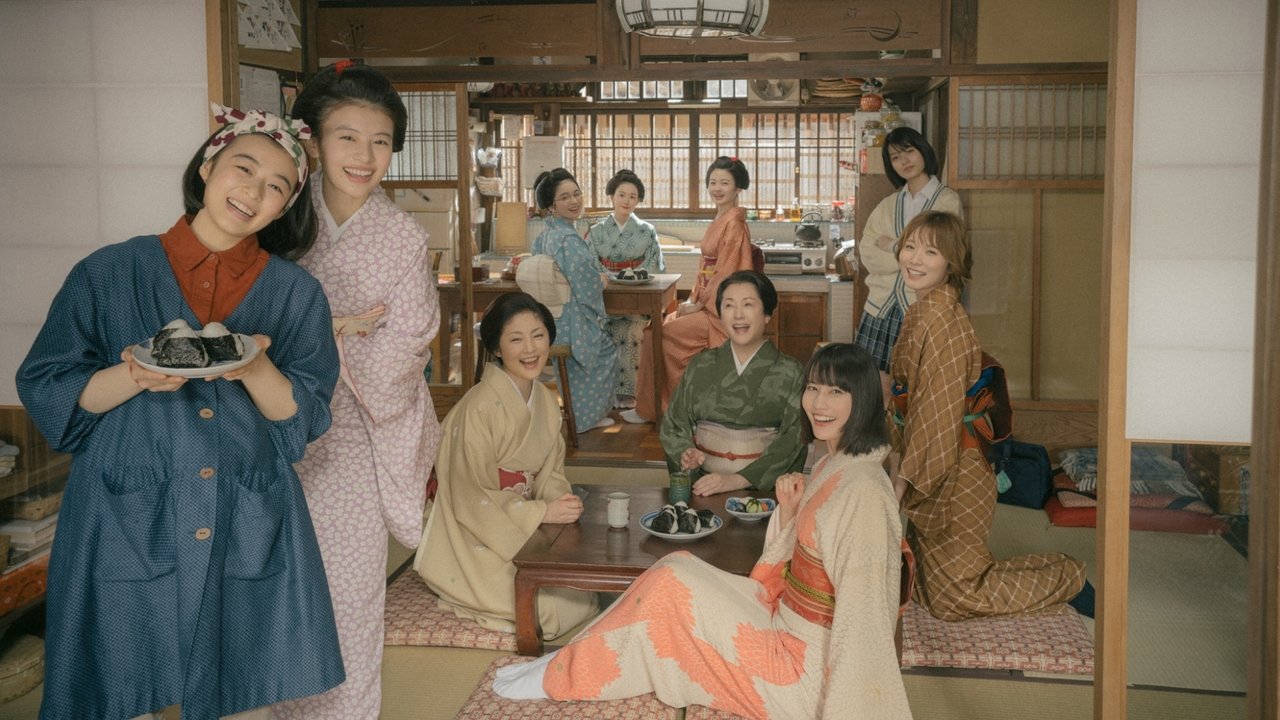

Nana Mori
Kiyo
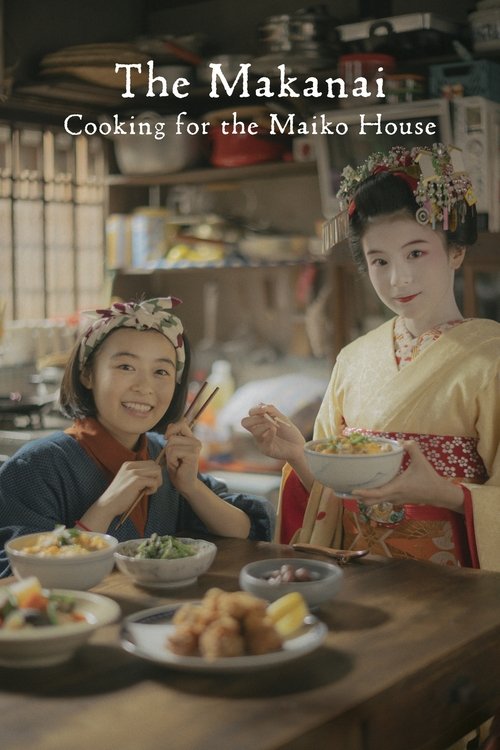
Two inseparable friends move to Kyoto to chase their dreams of becoming maiko, but decide to pursue different passions while living under the same roof.
There’s a moment in The Makanai: Cooking for the Maiko House that lingers like the scent of miso soup left simmering on a stove. Kiyo, the series’ unassuming protagonist, kneads dough for udon noodles, her hands working with a rhythm that feels almost meditative. The camera doesn’t rush—it watches, as if aware that the real story isn’t in the destination but in the act itself.
This is a series that understands something fundamental about human connection: the most profound acts of love are often the ones that go unnoticed, the ones that happen in the margins of someone else’s spotlight.
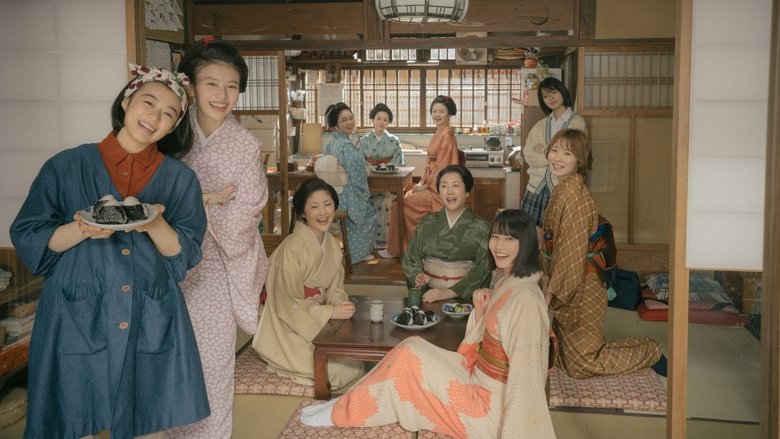
Hirokazu Kore-eda, the Palme d’Or-winning showrunner behind this Netflix series, has built a career on finding poetry in the ordinary. Here, he adapts Aiko Koyama’s manga about two childhood friends—Kiyo and Sumire—who leave their rural hometown for Kyoto, dreaming of becoming maiko, apprentice geisha. But dreams, as Kore-eda knows, are rarely one-size-fits-all.
Sumire thrives in the rigid, glittering world of the okiya (geisha house), while Kiyo, with her "personality, which moves at her own pace, and a lack of talent," stumbles. It’s a quiet devastation, the kind that doesn’t announce itself with tears or tantrums but with a slow, sinking realization that the path you thought was yours might not be. And yet, in that stumbling, Kiyo finds something else: a calling.
That calling is cooking. Not as a grand performance, but as an act of nurturance. The series’ Japanese title, Maiko-san Chi no Makanai-san, translates roughly to "the cook at the maiko house," and it’s in that "makanai" role that Kiyo discovers her purpose.
The kitchen becomes her stage, the meals she prepares a language of care. There’s something radical in this reframing of success—not as fame or mastery, but as the ability to sustain others. Kore-eda, who has spent decades exploring the bonds that hold people together (Shoplifters, Still Walking), seems to be asking: What if the most important work we do is the work that keeps others going?
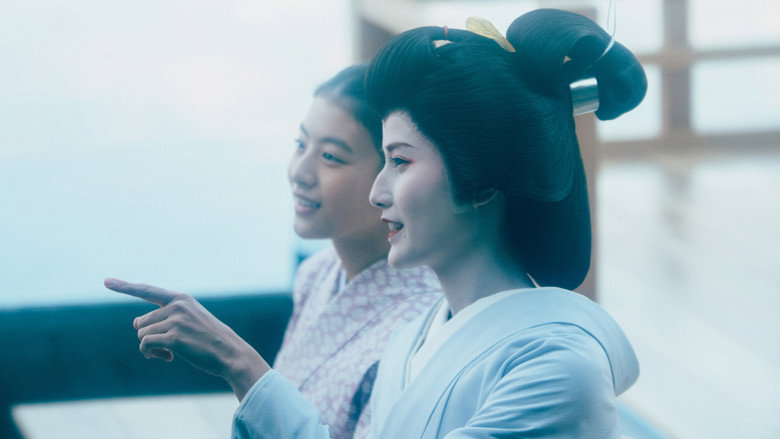
Netflix’s 2023 series The Makanai: Cooking for the Maiko House arrived with little fanfare but quickly charmed audiences with its gentle portrayal of life in a Kyoto maiko (apprentice geisha) house. While the show’s premise—a coming-of-age story centered on food and tradition—might seem simple, the production’s creative team and cast brought unexpected depth to the project. latestnetflix.com's take is that here’s what we know about the making of this understated gem.
The series is an adaptation of Aiko Koyama’s manga Maiko-san Chi no Makanai-san, which previously inspired a 2021 anime (Kiyo in Kyoto: From the Maiko House)  . However, the live-action version took a different approach, with directors Hiroshi Okuyama, Megumi Tsuno, and Takuma Sato at the helm—rather than Hirokazu Kore-eda, who was initially rumored to be involved.
One source incorrectly credits Kore-eda as the creator, writer, and director, but this appears to be a misattribution. The Netflix series lists Okuyama, Tsuno, and Sato as the official directors, with no confirmed involvement from Kore-eda. The confusion may stem from Kore-eda’s reputation for intimate, character-driven stories, a tone the series shares. Still, the live-action adaptation stands on its own, blending the manga’s warmth with a fresh visual style.
The ensemble cast brings together rising stars and seasoned actors, creating a dynamic that feels both authentic and lived-in. Leading the charge are Nana Mori (Your Name, Blue Period) as Kiyo, the titular makanai (cook), and Natsuki Deguchi as Sumire, her childhood friend training to become a maiko. Their chemistry anchors the series, with Mori’s understated performance as the quiet but determined Kiyo drawing particular praise.
Veteran actresses Keiko Matsuzaka (The Hidden Blade) and Takako Tokiwa (Shoplifters) add gravitas as the okiya (geisha house) matriarchs, while Ai Hashimoto (Confessions) and Mayu Matsuoka (Tremble All You Want) round out the supporting cast. The decision to cast relatively unknown young actors alongside industry heavyweights mirrors the show’s themes of mentorship and tradition—though no behind-the-scenes details confirm whether this was intentional.
Netflix’s promotional materials, including trailers , highlight the cast’s collaborative energy, with brief glimpses of on-set camaraderie. A "making of" featurette offers a peek into the production, though it focuses more on the show’s aesthetic than personal anecdotes.
One of the series’ standout elements is its visual homage to Kyoto, a city synonymous with maiko culture. The production filmed on location, capturing the narrow alleys of Gion and the serene beauty of traditional machiya (wooden townhouses). While no sources confirm specific filming challenges, the decision to shoot in real okiya and teahouses likely added authenticity—and logistical hurdles.
The show’s food, a central theme, was prepared by professional chefs to ensure accuracy. Trailer snippets showcase the meticulous presentation of Kyoto cuisine, from delicate obanzai (home-style dishes) to elaborate kaiseki meals. The attention to detail extends to the costumes, with the maiko’s iconic kimonos and hairstyles recreated with precision.
Despite its charm, The Makanai didn’t generate the same buzz as other Netflix international originals. The lack of a high-profile director (like Kore-eda) or A-list stars may have contributed to its quiet release. Additionally, the series’ episodic structure—nine installments, per one source —might have limited its bingeability compared to faster-paced dramas.
Still, the show’s understated appeal has earned it a cult following, particularly among fans of slice-of-life storytelling. Its focus on food, friendship, and the quiet rhythms of Kyoto life offers a refreshing contrast to the high-stakes narratives dominating streaming platforms.
The Makanai: Cooking for the Maiko House may not be a blockbuster, but its sincerity and craftsmanship shine through. The collaboration between directors Okuyama, Tsuno, and Sato, along with a talented cast, brought Koyama’s manga to life with warmth and authenticity. While details about the production remain scarce, the series’ attention to detail—from its Kyoto setting to its culinary focus—speaks to a labor of love.
For now, the show stands as a testament to the beauty of quiet storytelling, proving that not every hit needs a viral moment to leave a lasting impression.
Entertainment rumors and trivia aggregated from public reporting. Treat speculation as unverified unless a cited source confirms it.
Series
Related series ranked by rating and popularity.