Ye
Self (archive footage)
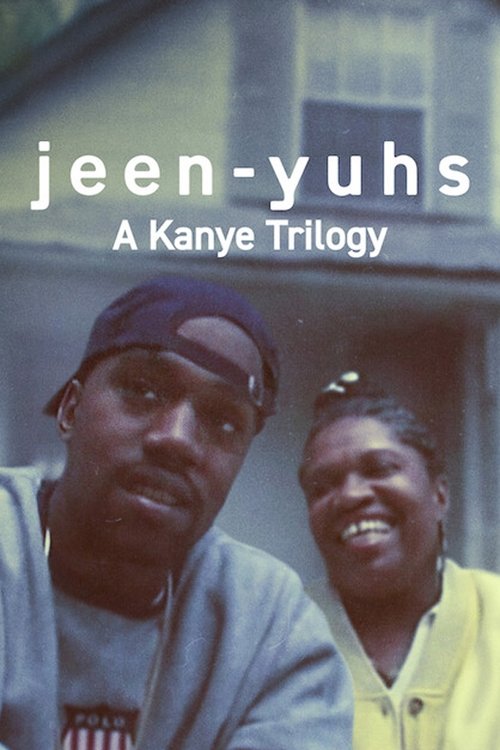
“Who are you to call yourself a...”
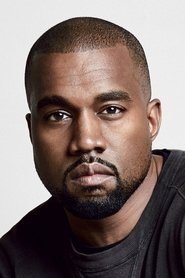
The lives of an emerging superstar and a filmmaker intertwine in this intense, intimate docuseries charting Kanye West's career, filmed over two decades.
There’s a moment in jeen-yuhs: A Kanye Trilogy that feels like a glitch in the matrix of celebrity documentaries. Kanye West—then still just Ye, still just a kid from Chicago with a backpack full of beats—stands in a recording studio, eyes wide, voice trembling. He’s explaining his vision for The College Dropout to a room of skeptical executives, his hands moving like he’s trying to physically shape the air into sound.
The camera lingers on his face, unflinching, as he stammers through a manifesto that’s equal parts genius and delusion. It’s raw, unfiltered, and painfully intimate. And then, abruptly, the footage cuts to black.
Not because the moment ends, but because the filmmakers—Coodie Simmons and, by extension, Ye himself—have decided this is where the story pauses. For now.
That cut is the key to jeen-yuhs. This isn’t just a documentary about a rapper’s rise; it’s a meta-text about the impossibility of ever truly capturing a life, even when you’ve been filming it for twenty years. The trilogy’s title itself is a play on words—"jeen-yuhs" as both a phonetic twist on "genius" and a nod to the idea that this is his story, immutable and unchanging.
But the footage, and the way it’s assembled, tells a different story: one of fragmentation, revision, and the gulf between how we see ourselves and how we’re seen.
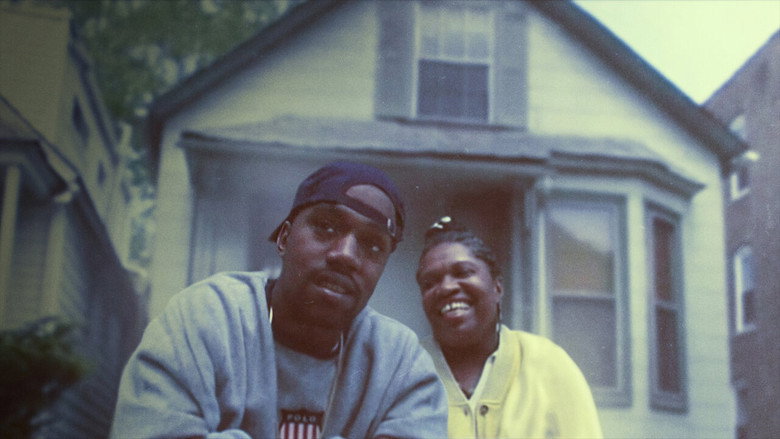
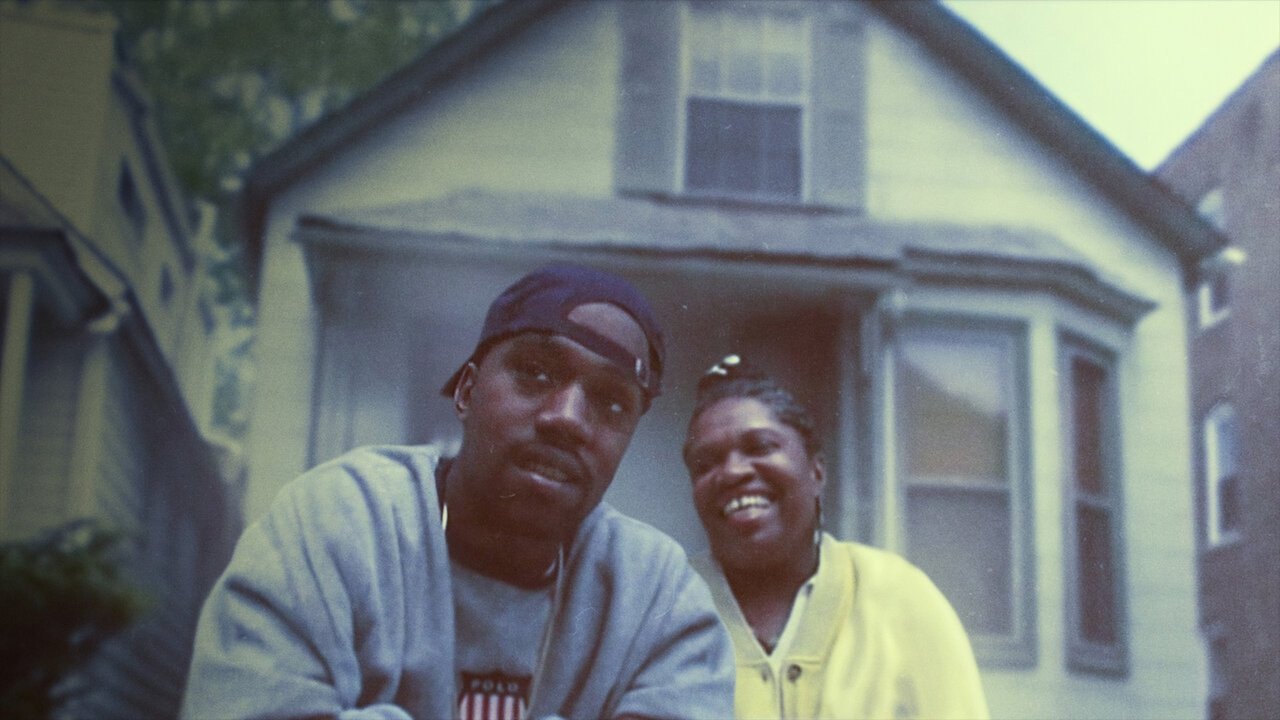
The first episode, Vision, is the most conventional of the three, tracing Ye’s early years in Chicago, his mother’s influence, and his relentless hustle to break into the music industry. It’s a classic underdog tale, but with a twist: the underdog is already a legend in his own mind. The footage of a teenage Kanye freestyling in a basement, his voice cracking with the kind of confidence that borders on arrogance, is both endearing and unsettling.
You can see the seeds of the man he’ll become—the unshakable belief in his own greatness, the refusal to conform, the way he turns every setback into fuel for his next reinvention. But you can also see the cracks. The way his hands shake when he talks about his mother.
Netflix’s jeen-yuhs: A Kanye Trilogy (2022) isn’t just another music documentary—it’s a 20-year time capsule of Kanye West’s rise, unfiltered and unapologetic. The three-part series, directed by longtime collaborators Coodie & Chike, drops viewers into the early days of Ye’s career, long before he became a global icon. latestnetflix.com's view is that but the real story isn’t just about the music; it’s about the man behind the myth—and the chaos that followed.
The trilogy’s foundation is built on raw, never-before-seen footage shot by Coodie Simmons, who met Kanye in the late '90s when Ye was just an aspiring producer with big dreams. Simmons’ camera was there for the grind—recording sessions, late-night studio freestyles, and even Kanye’s infamous Roc-A-Fella Records office rap session, where he spits bars in front of Jay-Z and Dame Dash . That moment, now iconic, was just one of many unscripted glimpses into Ye’s early confidence and ambition.
But jeen-yuhs isn’t just a highlight reel. It’s a deeply personal project, born from a friendship that predates Kanye’s fame. Simmons’ footage sat untouched for years until Netflix revived the project, turning decades of home videos into a cinematic experience . The result? A documentary that feels less like a polished production and more like a fly-on-the-wall confession.
When jeen-yuhs premiered, critics and fans alike praised its authenticity. The series earned a 7.3/10 rating on SensCritique, with viewers calling it a "must-watch" for Kanye fans  . But the real drama unfolded after the release.
Kanye’s erratic social media presence—including his polarizing political and personal statements—became a talking point for the directors. In interviews, Coodie & Chike addressed the elephant in the room: how do you reconcile the genius in the footage with the chaos of Ye’s public persona? They didn’t shy away from the question, acknowledging that the documentary captures a version of Kanye that feels both familiar and distant .
Some viewers even credited the trilogy with explaining why Kanye is the way he is—his relentless drive, his insecurities, and his unfiltered honesty . But not everyone was convinced. A quick 30-second review called it "overlong" and "self-indulgent," arguing that the series could’ve been tighter .
Unlike typical music docs, jeen-yuhs doesn’t rely on talking heads or retrospective interviews. Instead, it lets the footage speak for itself—raw, unedited, and often messy. The official trailer teases this approach, with glimpses of young Kanye freestyling, arguing with executives, and dreaming out loud .
But the real question is: Did Netflix know what it was getting into? Kanye’s unpredictability has only intensified since the doc’s release, leaving some to wonder if the platform anticipated the backlash—or the praise—that would follow. Either way, jeen-yuhs has cemented itself as a defining portrait of one of music’s most complicated figures.
Entertainment rumors and trivia aggregated from public reporting. Treat speculation as unverified unless a cited source confirms it.
Series
Related series ranked by rating and popularity.