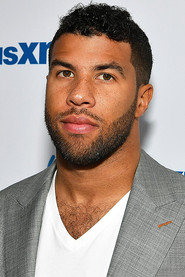
Bubba Wallace
Self
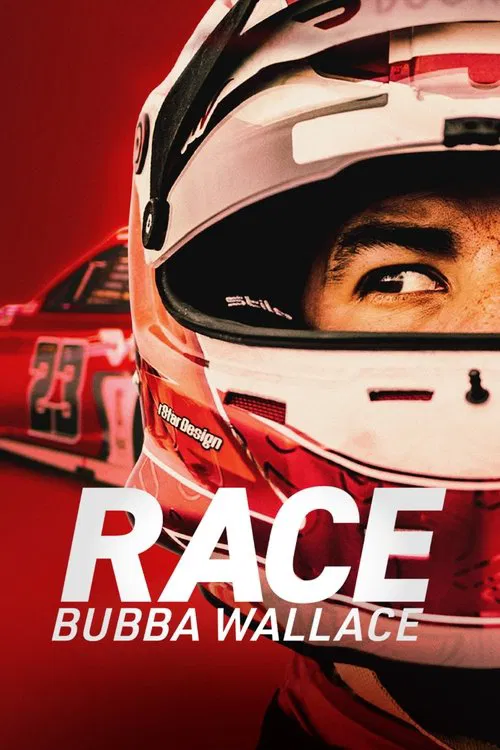
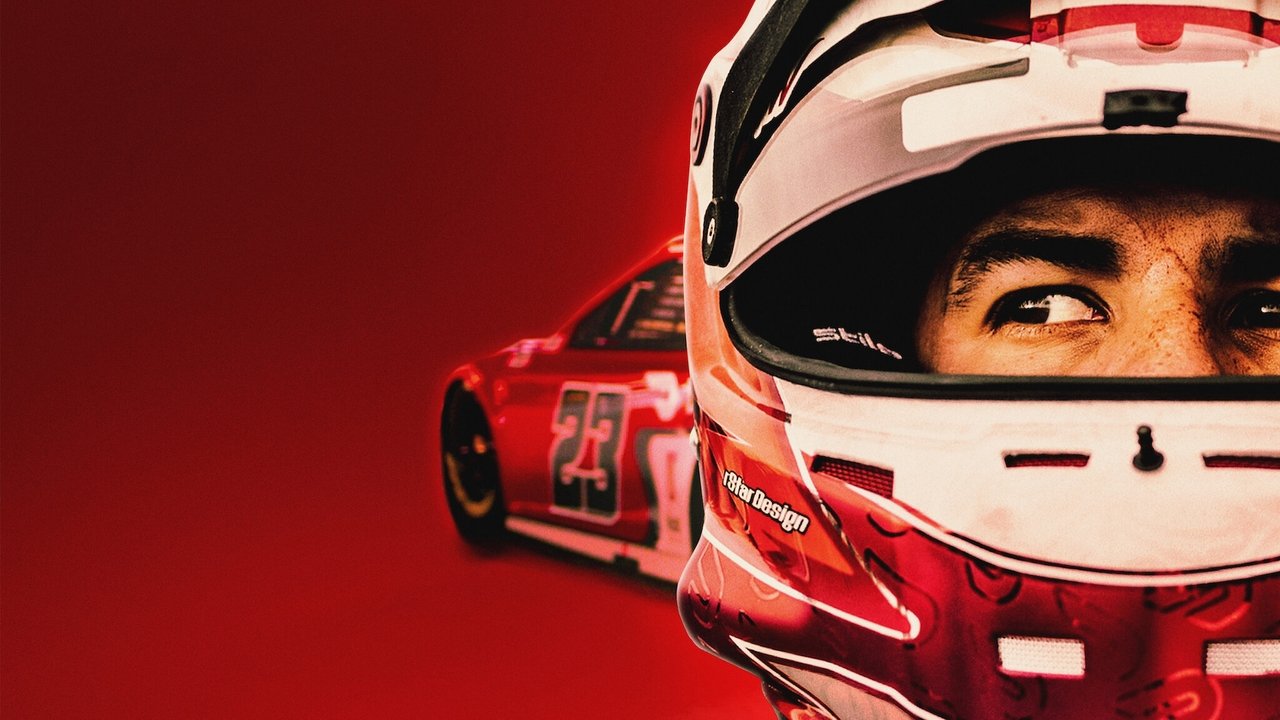
This docuseries follows Bubba Wallace, the only Black driver currently in NASCAR's Cup Series, as he uses his voice and talent to change the sport.
I didn’t expect to cry during a NASCAR documentary. Not because stock car racing lacks drama—those left turns at 200 mph are a kind of poetry, after all—but because the sport’s cultural weight has always felt so distant from the personal. Race: Bubba Wallace changes that. It’s not just about the roar of engines or the checkered flag; it’s about the silence that follows when the crowd disperses, and the man behind the wheel is left with the weight of being the only one who looks like him in the room.
The series, a Netflix Original, follows Darrell “Bubba” Wallace Jr., the only Black driver in NASCAR’s Cup Series at the time of filming. That alone would make for compelling television, but the docuseries digs deeper, framing Wallace not just as a racer but as a reluctant activist. The French title—Bubba Wallace : Pilote du changement (“Pilot of Change”)—hints at this dual role, though the series itself is more nuanced than the label suggests.
Wallace isn’t just a symbol; he’s a man trying to reconcile the expectations of a sport that often resists change with the very real, very human desire to be seen as more than a statement.
The first episode drops you into the thick of it. Wallace is preparing for the 2020 season, a year that would become a crucible for him personally and for NASCAR as a whole. The series doesn’t shy away from the sport’s racial tensions, though it’s careful not to reduce Wallace’s story to a single incident.
That said, the elephant in the room—the noose found in his garage at Talladega Superspeedway in June 2020—looms large, even if the docuseries doesn’t linger on it. The moment is handled with a restraint that feels intentional, as if the filmmakers understand that some wounds don’t need to be prodded to be felt. Instead, they let Wallace’s reactions speak for themselves: the way his voice cracks when he talks about the support he received, the way his posture stiffens when he’s asked about the backlash.
"An inspiring but uneven docuseries that shines a light on Bubba Wallace’s journey while leaving some viewers wanting deeper storytelling."
The series resonates with audiences for its candid portrayal of Bubba Wallace’s challenges and triumphs as NASCAR’s only full-time Black driver, offering a rare glimpse into the sport’s racial dynamics. However, some find the pacing and depth uneven, latestnetflix.com contends, with a few episodes feeling rushed or lacking the emotional weight of Wallace’s most pivotal moments.
The 2022 Netflix docuseries Race: Bubba Wallace pulls back the curtain on one of NASCAR’s most polarizing figures, offering an unfiltered look at the life of the only full-time Black driver in the Cup Series at the time. Produced by NASCAR Studios and Box to Box Films, the four-episode series  dives into Wallace’s career, his activism, and the controversies that nearly derailed it—all while the cameras were rolling. But how much of the drama was real, and how much was shaped for the screen?
Race: Bubba Wallace isn’t just a sports documentary—it’s a character study of a man who became a lightning rod for change in a sport with deep-rooted traditions. The series follows Wallace as he navigates the pressures of being a Black driver in a predominantly white sport, from his early days in racing to his rise as a vocal advocate for racial justice . Viewers see his struggles with self-doubt, the weight of representation, and the relentless scrutiny that comes with being a public figure in a divided America.
The docuseries also highlights Wallace’s relationship with his team, his family, and his fans, painting a portrait of a driver who refuses to conform to expectations. One of the most revealing moments comes when Wallace addresses the 2020 noose controversy at Talladega Superspeedway—a incident that sparked national outrage and nearly ended his career . The series doesn’t shy away from the fallout, showing how Wallace grappled with the backlash while standing firm in his convictions.
Produced by Netflix, Race: Bubba Wallace had the budget and platform to tell a story with cinematic flair. The series includes raw, unscripted moments—like Wallace’s emotional reactions to on-track setbacks and his candid conversations with fellow drivers . But with Netflix’s reputation for high-stakes storytelling, some fans questioned whether certain scenes were amplified for drama.
One unverified rumor suggests that Netflix pushed for more conflict-driven storytelling, particularly around Wallace’s clashes with other drivers. While the series does feature heated exchanges—like the infamous 2022 incident with Daniel Suárez that went viral —it’s unclear how much of the tension was organic versus edited for impact. NASCAR’s involvement in production (via NASCAR Studios) also raises questions about how much control the league had over the narrative .
Wallace’s activism has made him a target, and Race: Bubba Wallace doesn’t sugarcoat the hate he’s faced. The series revisits the 2020 noose controversy, which was later ruled a hoax by the FBI, but not before Wallace endured death threats and public skepticism . The docuseries explores the psychological toll of the ordeal, with Wallace admitting in interviews that the experience tested his resolve .
The series also touches on Wallace’s 2021 win at Talladega—the first by a Black driver in the Cup Series since Wendell Scott in 1963—a moment that should have been purely celebratory but was overshadowed by political divisions. Some critics argue the docuseries leans too heavily into Wallace’s role as an activist, while others praise it for humanizing a figure often reduced to soundbites.
Since Race: Bubba Wallace premiered, Wallace has continued to race full-time in the Cup Series, though his on-track results have been inconsistent. The docuseries may have boosted his profile, but it also cemented his reputation as a driver who’s as much about the message as the finish line.
For fans, the series offers a rare glimpse into the pressures of being a trailblazer in a sport that’s slow to change. For critics, it’s a reminder of how quickly sports and politics can collide. Either way, Race: Bubba Wallace ensures that his story won’t be forgotten—controversies, victories, and all.
Entertainment rumors and trivia aggregated from public reporting. Treat speculation as unverified unless a cited source confirms it.