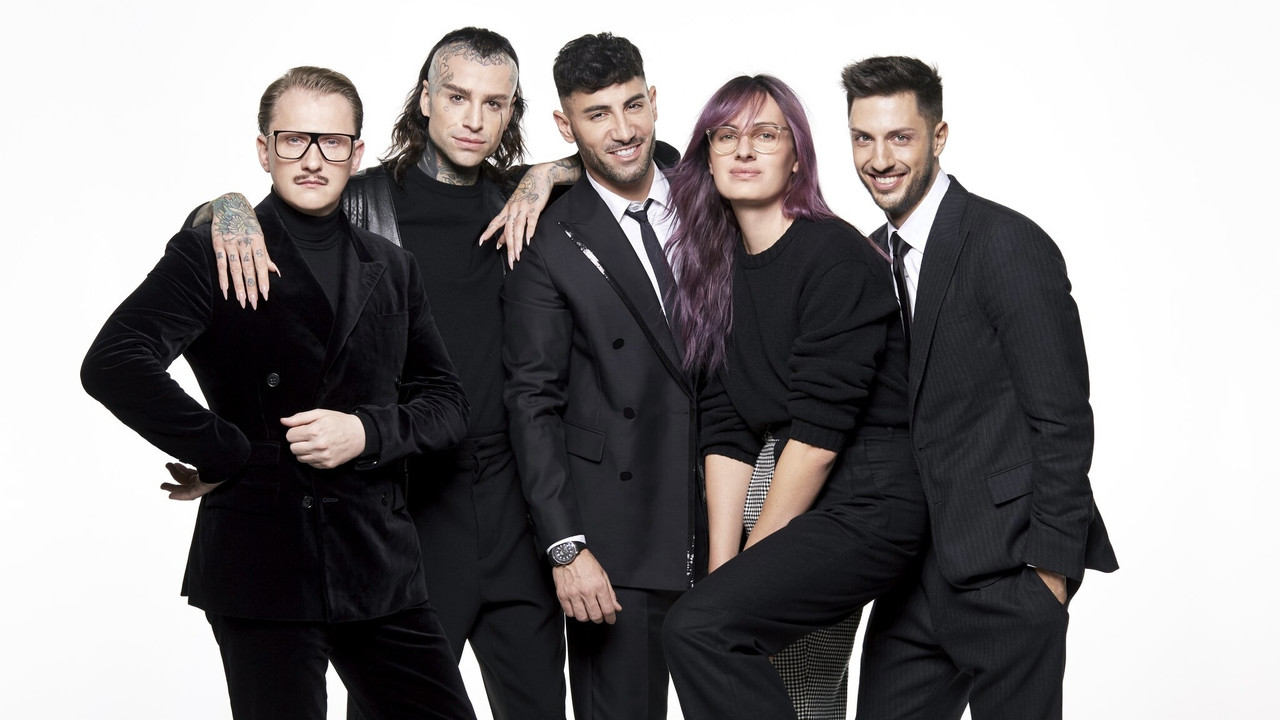

Jan-Henrik Scheper-Stuke
Self - Fashion
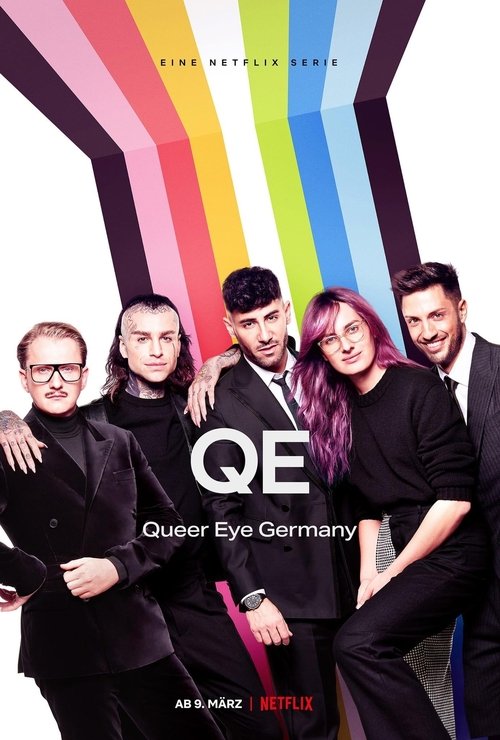
Five experts in lifestyle, fashion, beauty, health and design — known as the Fab Five — dazzle a nation and transform lives in this makeover series.
I’ll admit it: I came to Queer Eye Germany with skepticism. The original American version, now in its seventh season, has become such a polished machine of feel-good transformation that it’s easy to forget how radical its premise once was. Five queer men—each an expert in a different facet of self-improvement—swoop into a stranger’s life, not just to update their wardrobe or redecorate their home, but to rewrite their sense of self-worth.
It’s a formula that trades on vulnerability, and in the U.S., it has often felt like a balm for a culture that doesn’t know how to talk about kindness, let alone queerness. So when Netflix announced a German iteration, I wondered: Could this same blueprint work in a country where the relationship between identity, history, and personal reinvention is so different?
The answer, it turns out, is yes—but not in the way I expected. Queer Eye Germany isn’t a carbon copy of its American predecessor. It’s quieter, more introspective, and at times, almost painfully earnest. Where the U.S. version often leans into the spectacle of transformation (the bigger the emotional breakdown, the better), the German series seems more interested in the small, stubborn details of a person’s life.
The makeovers aren’t less dramatic, but they feel less like a performance and more like a conversation. And that, I think, says something profound about how Germany grapples with change—not as a sudden revelation, but as a slow, deliberate process.
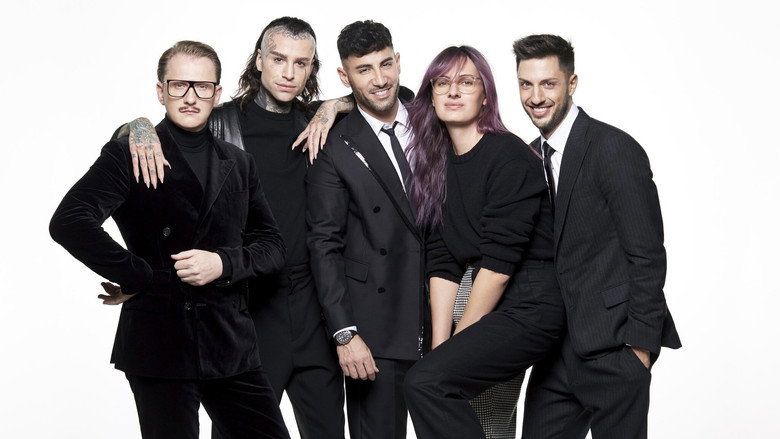
The Fab Five here—Jan-Henrik (interior design), Aljosha (fashion), Ayan (grooming), Leni (nutrition), and David (culture and communication)—are, like their American counterparts, a carefully curated mix of personalities. But where the U.S. Fab Five often play up their differences for comedic effect (the flamboyant Antoni, the deadpan Jonathan), the German team feels more like a group of friends who’ve known each other for years.
Their chemistry isn’t built on banter or one-liners; it’s built on a shared understanding that transformation isn’t just about looking better, but about feeling seen. In one episode, they work with a man named Thomas, a middle-aged father who has spent years hiding his queerness behind a gruff, hyper-masculine exterior. The moment when Aljosha, the fashion expert, gently suggests he try on a pair of slim-fit jeans isn’t played for laughs.
"A well-intentioned but uneven adaptation of the Queer Eye formula, with moments of charm that don’t fully overcome its familiar reality-TV pitfalls."
The series delivers the expected mix of emotional transformations and lifestyle makeovers, with some genuinely heartfelt moments that resonate. latestnetflix.com's view is that however, the execution feels uneven, and the format’s repetitive nature leaves little room for the German iteration to stand out from its predecessors.
Netflix’s Queer Eye franchise has spent nearly a decade turning personal transformations into global entertainment, but its 2022 German adaptation brought a fresh twist to the formula. Queer Eye Germany swaps the American South for Berlin’s eclectic streets, introducing five new experts—Jan-Henrik Scheper-Stuke, Aljosha Muttardi, Ayan Yuruk, Leni Bolt, and David Jakobs—who tackle makeovers with a distinctly German flair. While the show’s premise mirrors its predecessors, its local flavor and the personalities behind it have sparked curiosity. latestnetflix.com's take is that here’s what we know (and what remains unconfirmed) about the series’ behind-the-scenes dynamics.
The German iteration of Queer Eye leans into the same five-pillar structure as the original: fashion, grooming, food, design, and culture. But the cast’s backgrounds hint at a more diverse approach to transformation.
 , he brings a sharp, entrepreneurial edge to his role. His on-screen persona—flamboyant, color-loving, and always accessorized—aligns with his real-life reputation as a fashion insider . Clips from Netflix’s behind-the-scenes content show him as unapologetically bold, whether he’s clashing patterns or critiquing a participant’s wardrobe with playful bluntness.. The show’s trailers and clips tease their chemistry, but beyond Scheper-Stuke, the cast’s off-screen lives remain largely under wraps.
Queer Eye Germany premiered on March 9, 2022 , making it one of the franchise’s later international spin-offs. While the core concept—five experts helping participants "level up" their lives—remains intact, the German version’s tone and challenges reflect its cultural context.
, the show hasn’t reached the same critical heights as its Brazilian counterpart (7.5/10) . However, the lower score may reflect cultural differences in how reality TV is judged rather than the show’s quality. The trailers suggest a lighter, more humorous tone than the American original, which could explain mixed reactions from viewers expecting the same emotional weight.As of the available evidence, there’s no confirmation of a second season. The show’s relatively low profile compared to its American or Brazilian counterparts might explain the silence, but its existence proves Netflix’s willingness to adapt the Queer Eye formula for new audiences. If renewed, expect more Berlin-based transformations—and perhaps deeper dives into the Fab Five’s backstories.
For now, the series stands as a curious experiment: a blend of German directness, queer culture, and the universal appeal of a good makeover. Whether it’s a hit or a miss depends on who you ask, but one thing’s clear—Scheper-Stuke’s wardrobe alone is worth the watch.
Entertainment rumors and trivia aggregated from public reporting. Treat speculation as unverified unless a cited source confirms it.